


What if we thought about what homes should look like hundreds of years from now, before we built them?
That’s the question behind Watercolour, a walkable community of net-zero and net-zero-ready homes in Westport, Ontario, recently featured by David Dodge in Green Energy Futures. Its founder, Steve Rolston of Land Ark Homes, describes the vision as “Watercolour life”: a village at the base of a mountain (at least, what we call a mountain in southeastern Ontario!), surrounded by lakes, where people can walk through the community and live close to the landscape around them.
Watercolour is not only designed to feel like a better place to live—it is designed to function like one. Net-zero homes are built to produce as much energy as they use over the course of a year from day one. Net-zero-ready homes are built to the same high-efficiency standard, so they can become net-zero once renewable energy is added.
These homes show what it looks like to make climate solutions part of the structure itself. Since Westport does not have natural gas, Rolston says the team could have buried propane tanks, but that felt like “going back to the dark ages.” Instead, they turned to all-electric homes powered by modern technology, including cold-climate heat pumps that can handle Canadian winters.
Inside, the homes are built to waste as little energy as possible. One of the coolest features is an energy recovery ventilator, which brings in fresh, double-filtered air while recovering up to 80 percent of the heat from the outgoing air. The show home also includes a whole-home battery backup, so when the power goes out, the lights do not even flicker.
What makes Watercolour so compelling is that it brings together climate action, health, and quality of life. The homes are comfortable and efficient, the streets are designed for walking, and the surrounding trails and green spaces are preserved for everyone to enjoy—I’ve lost count of how many wins that is! If I lived nearby, I’d be moving there myself.

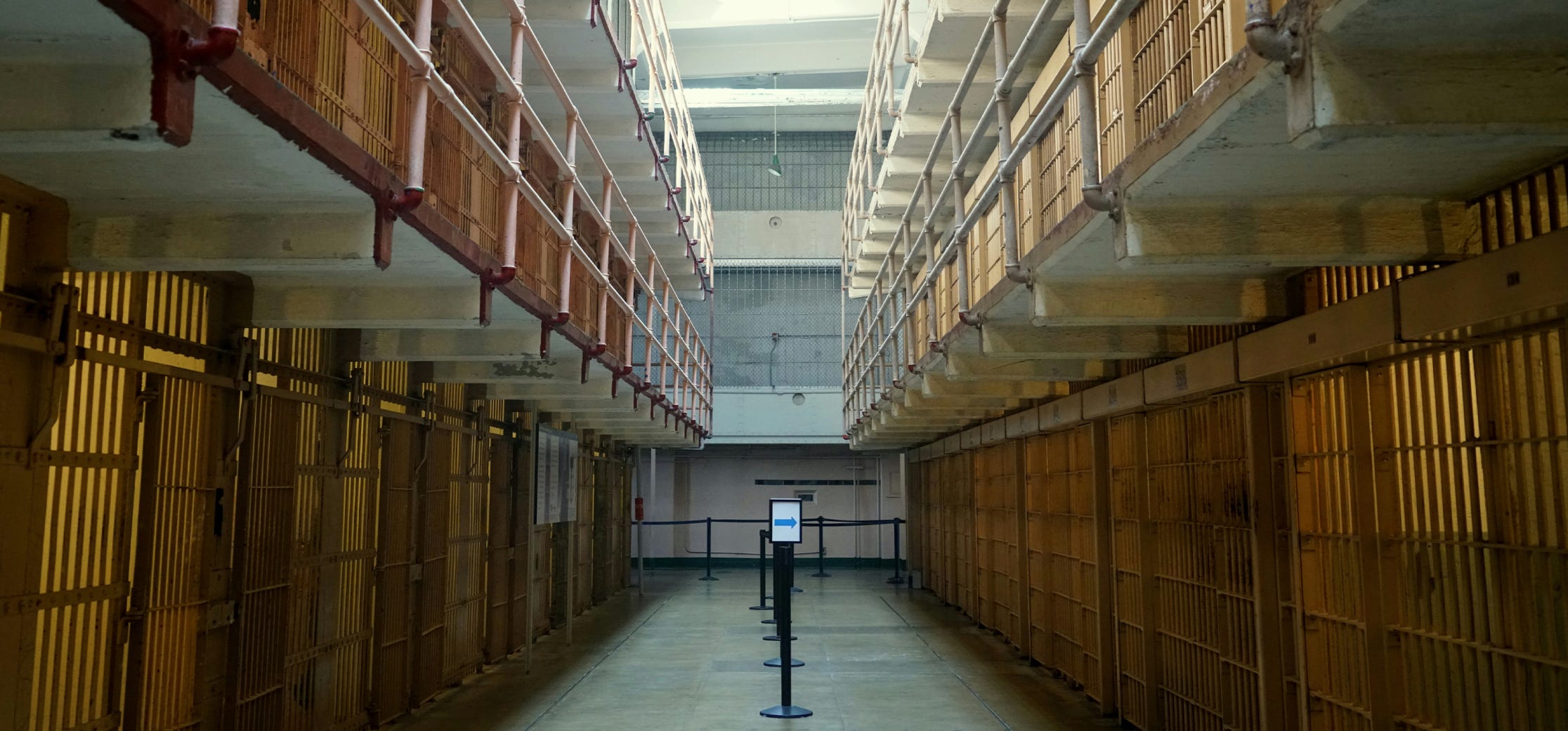
Climate disasters are making already dangerous prison and jail conditions even worse.
A new Duke University School of Medicine study examined how climate disasters affect people who are incarcerated. Researchers interviewed 18 people in Houston, Texas, a region repeatedly hit by extreme flooding, heat, and hurricanes, and found that most had lived through at least one disaster while behind bars.
Participants described being crowded into small cells and left without basic necessities during storms. Some went days without drinking water or working toilets. Others lost contact with their families when the power failed and phones stopped working. Extreme heat made already dangerous conditions even more severe, especially in facilities with poor temperature control.
The study found that these risks often continued after release. Many participants struggled to find stable housing and reliable income, leaving them with fewer resources to evacuate or recover when the next disaster struck.
As the authors write, hurricanes and other disasters impose additional trauma on people already living in stressful and unpredictable environments. The findings are a stark reminder that climate change does not affect everyone equally, and that emergency planning must include those whose safety depends almost entirely on institutions that may not be prepared to protect them.


The new Watercolour community is an example of how climate solutions can be woven into the places we call home. But sometimes it is hard to picture what that future might look like until you experience it for yourself.
That is the idea behind Urban Future Walks, a free public experience created by my fellow climate scientist Simon Donner and graduate student Yunfei Li at the University of British Columbia. Participants are guided through real neighborhoods and invited to see how sustainability shows up in the design of buildings, streets, and public spaces.
Even if you don’t live in Vancouver, the concept is one anyone can try. Take a walk through your own neighborhood and ask yourself: What makes this place feel livable? Where could more trees, sidewalks, energy-efficient buildings, or public spaces improve daily life? I often ask my students to do this as one of their class assignments and they always report on being surprised by everything they noticed when they looked around with these questions in mind, even in a place as familiar as their own neighbourhood.
Climate solutions become much more tangible when we can see them around us. And once we can imagine a better future, it becomes easier to build one. So this week, why not go on a ‘climate walk’ in your city and invite a few friends along.
Compare notes and, if you have some ideas, check out what your city is already doing about climate action and consider sending them a note! Using your voice is a powerful way to help catalyze local change.

TONIGHT Tues May 19 at 7pm ET BST - Talking Climate in the Age of Disinformation! Action Party with Climate Action Now; online, free
Wed June 17 6 at 5:30pm BST - The Financial Times Climate & Impact Summit - in person, London; in-person and virtual; prices vary