

In the last two editions of this newsletter, I mentioned how sports and the Winter Olympics both impact and are impacted by climate change. This week I have an update from Talking Climate reader Manuel Suter, who wrote in to share a very relevant research study he and his colleague Pascal Stegmann have done on this topic.
International sports can produce a lot of emissions, and yet people involved in them often make excuses for climate inaction in sports. Pascal and Manuel interviewed 28 European elite athletes and sports federation employees to better understand why. They identified five main narratives: the people they interviewed would blame others, downplay the urgency of the problem, claim the system can’t change, focus only on the downsides of climate action, and/or simply say they didn’t have the resources to act. Sound familiar? I bet we’ve all heard those justifications!
The researchers conclude with recommendations for how to turn this tide, including encouraging narratives that highlight collective responsibility rather than personal solutions. And research from Planet Reimagined (founded by past Talking Climate guest editor, Adam Met) says fans will support this! In a 2025 survey of nearly 900 U.S. sports fans, 92% said they would not oppose their favorite teams or athletes using their platforms to call for climate action.
For more, I highly recommend giving Pascal and Manuel’s article a read yourself. Many scientific articles are behind journal paywalls, but this one is open access: which means the authors had to pay extra (yes, scientists have to pay journals to publish their papers) to make it open for everyone to read. Thank you, Manuel and Pascal!

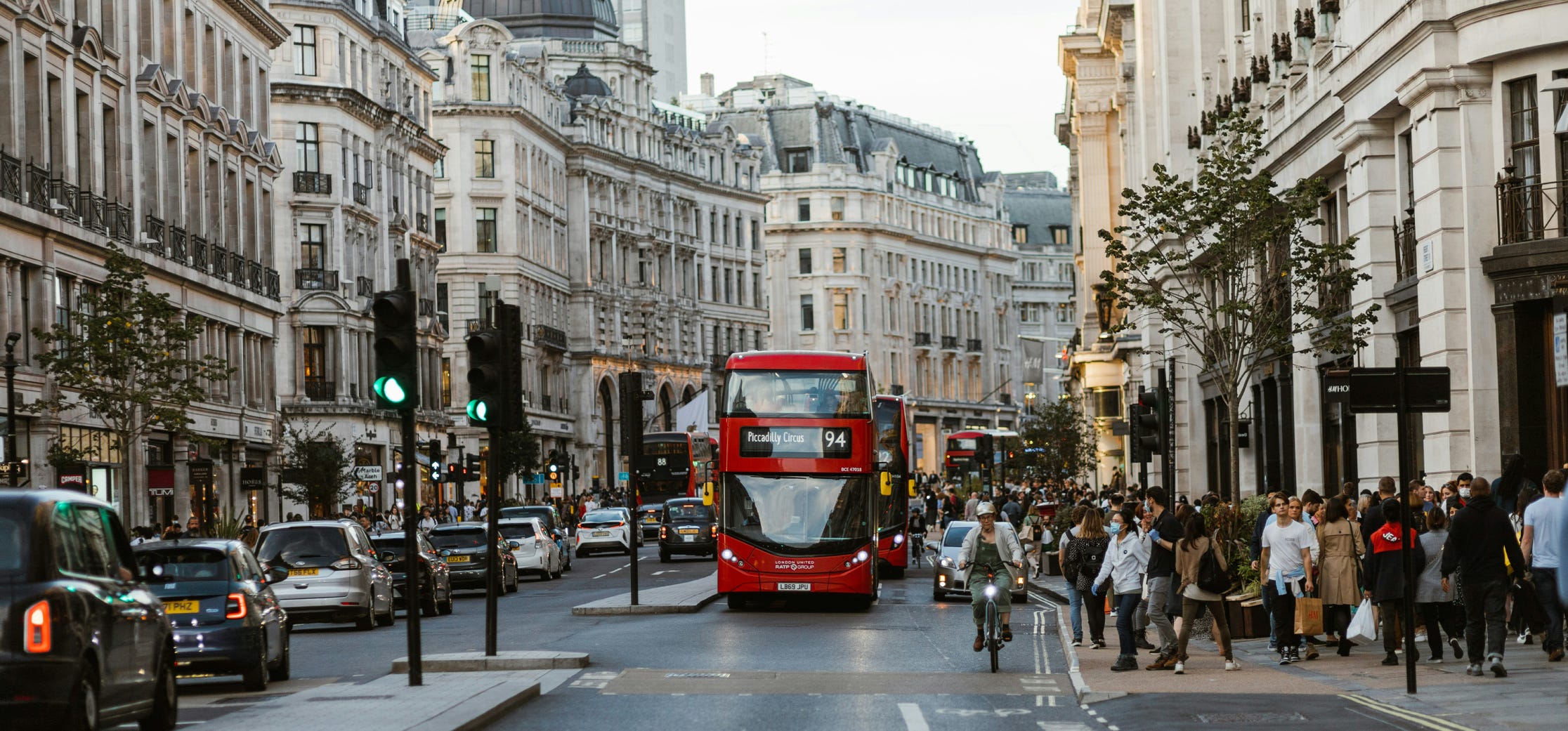
Air quality in London, England, has always been a concern. In fact, the very first air quality legislation was enacted by King Edward I.
In 1307, he issued a royal proclamation stating that the burning of sea coal within the city limits was prohibited due to the “intolerable smell which diffuses itself throughout the neighboring places and the air is greatly infected, to the annoyance of the magnates, citizens and others there dwelling and to the injury of their bodily health.” The penalty? Hefty fines, destruction of furnaces, and even death!
Despite this early effort, London’s air quality remained at dangerous levels for many centuries. It began to decline at the turn of the 20th century, but it wasn’t until the Great Smog event, responsible for thousands of deaths, finally led to the Clean Air Act of 1956. Even still, the city’s air quality regularly exceeded legal limits, and researchers at King’s College London forecast that it would take 193 years to bring London’s air quality within legal limits… until recently. What changed?
In 2019, London Mayor Sadiq Khan introduced the Ultra Low Emissions Zone in central London, requiring non-compliant vehicles to pay a £12.50 daily fee to reduce nitrogen dioxide pollution and improve air quality. In 2023, he expanded the ULEZ to include all 32 London boroughs, making it the world’s largest clean air zone! Thanks to the ULEZ, London air complied with legal limits in 2025, a full 184 years earlier than forecast.
“Since the introduction of the ULEZ, nitrogen dioxide levels in central London have halved and millions of Londoners are breathing cleaner air,” Mayor Khan said. “It also supports a broader shift towards green and sustainable transport, with growing investment in active travel and zero-emission buses. Climate action in London is not just environmental. It’s a public health emergency and a social justice issue too.”
While London’s air quality still has room to improve, this system has been a great success. Air pollution causes an absolute myriad of health impacts including more than 8 million deaths worldwide each year; so this clean air zone is a huge win for one of the world’s biggest cities. For more, check out this short video from one of my favourite UK science communicators, Simon Clark.

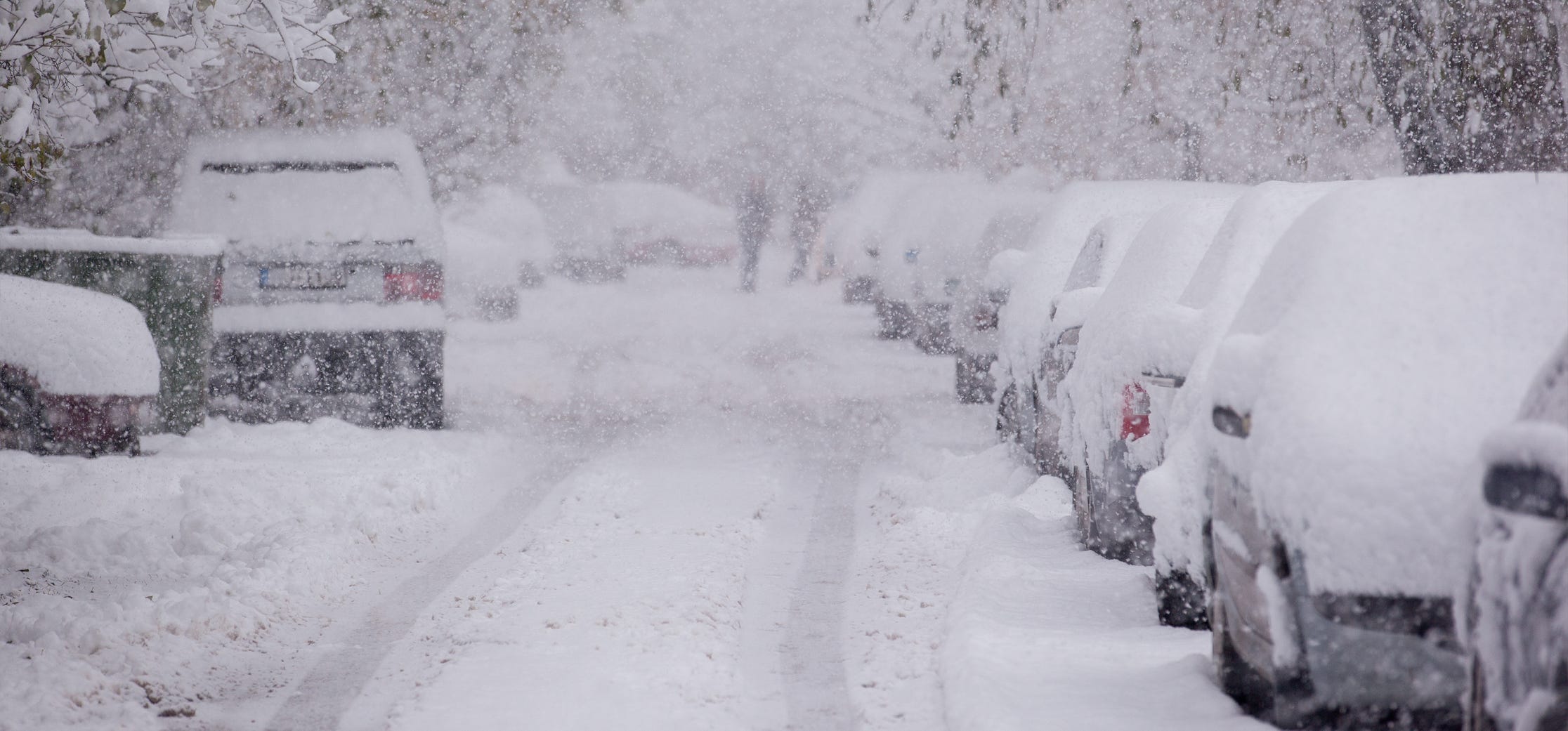
If the planet’s warming, shouldn’t we see less snow? Shouldn’t we be getting a break from winter dangers such as avalanches and massive snowstorms? Unfortunately, depending on where we live, the answer can be no. In fact, in some places, climate change is increasing these risks.
It’s true that in a warmer world, more precipitation is falling as rain and less as snow, on average. The average snowline is moving upward and poleward. Glaciers are melting. Many mountain areas are experiencing both long-term declines in snow as well as increasing risk of snow droughts, particularly early in the season, and rain-on-snow events later in the season: the western U.S. this year, and the Alps three years ago.
In a warmer world, however, the atmosphere also holds more moisture. And this means that, when it’s below freezing, there can be more snow, not less. Here are three places that’s happening.
On the west coast of North America, atmospheric rivers stream in from the Pacific. When they hit the coastal mountains they rise, dumping massive amounts of precipitation. As climate changes and the ocean warms, these naturally-occurring features are strengthening and picking up more moisture than ever. This is a factor in why California’s Sierra Nevada mountains has seen extremely heavy snowfall events this year.
At elevations where temperatures remain below freezing, heavy snowfall can accumulate rapidly. This rapid loading of slopes increases avalanche risk, particularly when new snow overlies weaker layers: the exact conditions that led to the devastating avalanche that happened in the Sierra Nevada last month, the deadliest in modern California history.
In the Great Lakes region, downwind cities like Buffalo can get massive amounts of lake effect snow, when frigid air sweeps across lakes that are still relatively warm and ice-free. This creates powerful snow bands capable of dropping several inches or up to 10cm in a single hour. As lakes warm and ice cover decreases, the number of days when it’s still cold enough to snow but not cold enough for the lakes to freeze have been going up, increasing lake effect snow... for now.
Then, on the east coast of North America, there’s a particular type of winter storm that comes in from the ocean, known locally as a “nor’easter” (and a “bomb cyclone” elsewhere). The other week, Nor’easter Hernando dumped more than two feet of snow across parts of Delaware, New Jersey, Pennsylvania, New York, Connecticut, and Rhode Island. Here too, warmer ocean temperatures are strengthening these storms as well as increasing the amount of water vapour they can turn into record snowfall. My colleague Michael Mann has studied how climate change affects these storms, and explains the science here.
In short, climate change isn’t eliminating winter. In fact, in some places, it’s intensifying its most dangerous and damaging extremes.


If you’re feeling overwhelmed by global warming, you’re truly not alone. Climate change is such a vast, global challenge that many people share the same sense of uncertainty—wanting to help, but unsure where to begin. That’s why I love sharing action items from this list of the six most impactful climate actions individuals can take.
Joining a climate action group is one of the most effective ways we can turn concern into impact, while simultaneously helping us feel more connected to others and aware of how many others care, too. Social science research consistently shows that collective action is one of the most effective ways individuals can help drive meaningful climate progress.
Don’t know where to start? On Bluesky I’ve created a starter pack of national and global climate action organizations, and a second starter pack featuring the local (city + country) chapters. I also have a list of organizations on my website by category, including groups for parents, grandparents and young people; nature-lovers, athletes, artists, and people of faith.
So this week, your to do is this: find a group and join it! Sign up for their email list, follow them on social media, and find out if they have events online or in your area that you can attend. Then tell someone you’ve joined a climate group and encourage them to do the same! It’s hard to go it alone; only together is it possible to truly build collective strength and drive the systemic change we need.

Mon March 9 from 4-6pm ET - Your Career in Climate with Catherine McKenna the Lawson Climate Institute at University of Toronto - in person, registration required, free. Also recorded (I’ll share a link here when it’s available)
Tues March 17 at 4:30pm CT - HMEI Taplin Environmental Lecture with High Meadows Environmental Institute - in person, free. Also recorded (I’ll share a link here when it’s available)
Weds March 18 at 5:30pm CT - Spencer Lecture at the University of Michigan - in person, free