


.This week, I’m handing the newsletter over to my colleague and friend Jim Stump from BioLogos. It’s a nonprofit originally founded by Francis Collins, former head of the U.S. National Institutes of Health, that helps Christians explore and learn about faith and science. I serve as BioLogos’s Senior Advisor for Hope and Climate, and it’s through that work that this week’s edition came to be.
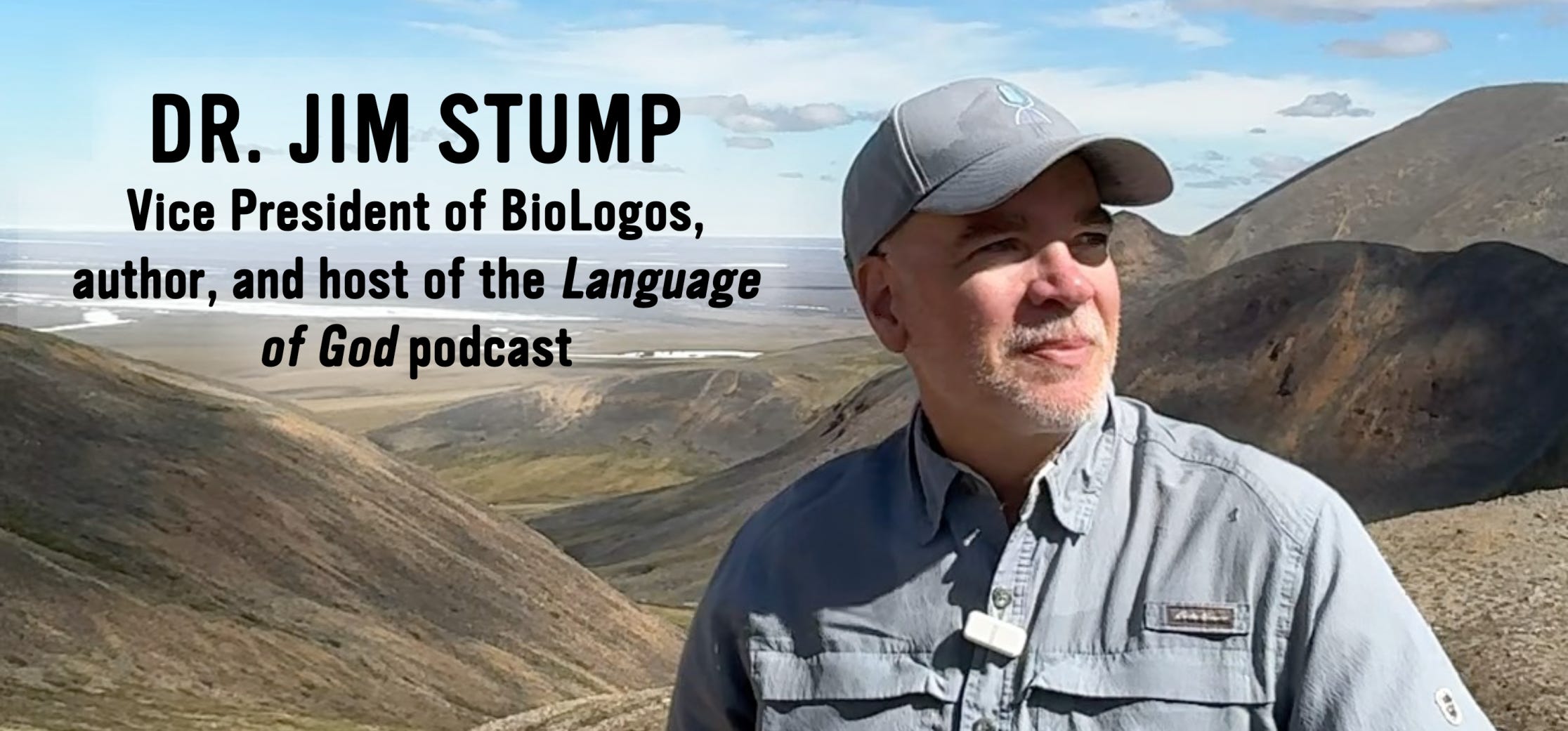
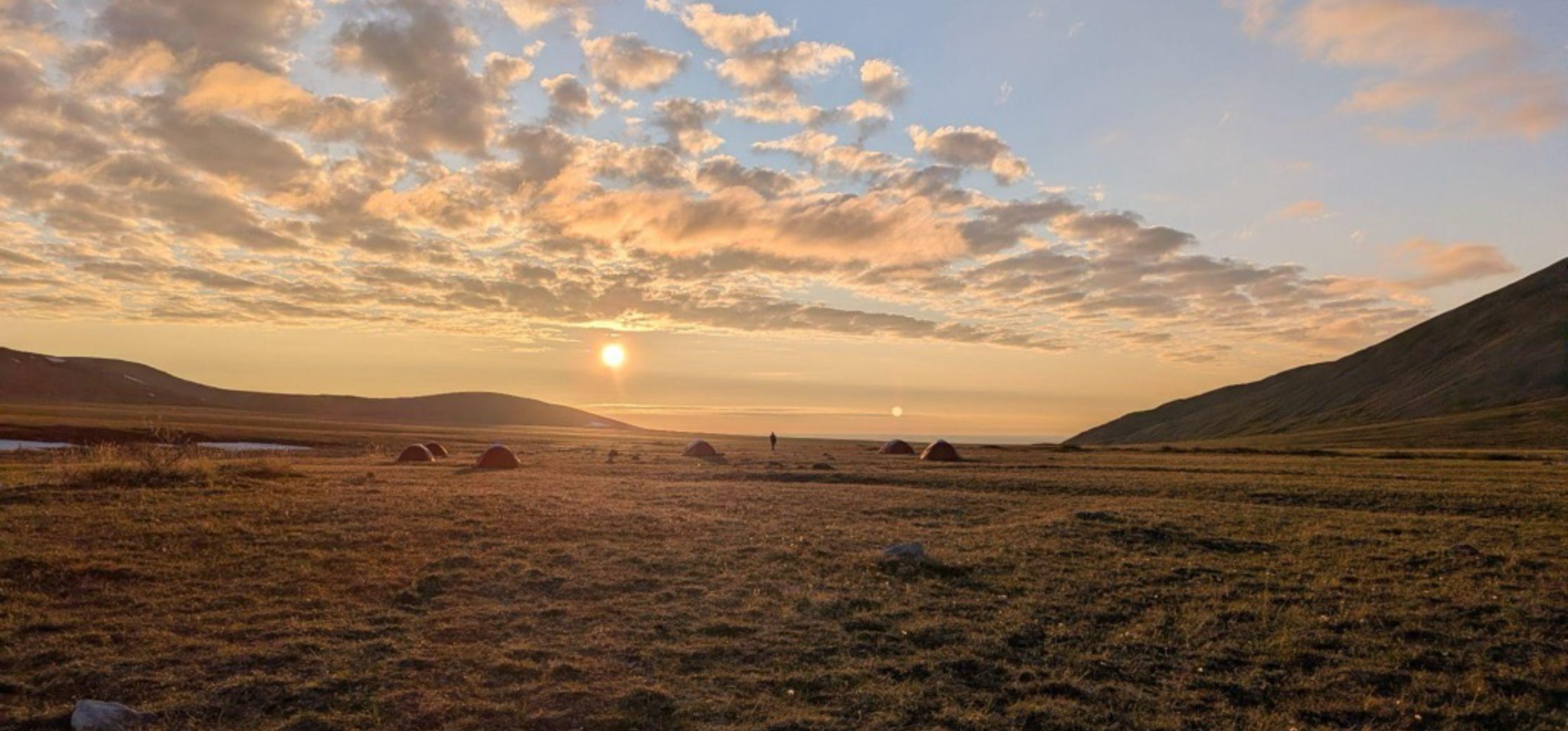
Earlier this year, a non-profit education group invited me to join a small delegation of faith leaders traveling to the Arctic National Wildlife Refuge. I was not able to participate, so I asked Jim if he might attend instead. He said an immediate YES — to five days camping above the Arctic Circle, far from roads or electricity. There, the group was able to see the midnight sun circle the horizon without setting, drink from a stream fed by melting snow, observe the tundra’s miniature world of flowers and lichens, and even watch a grizzly bear root around on a hillside.
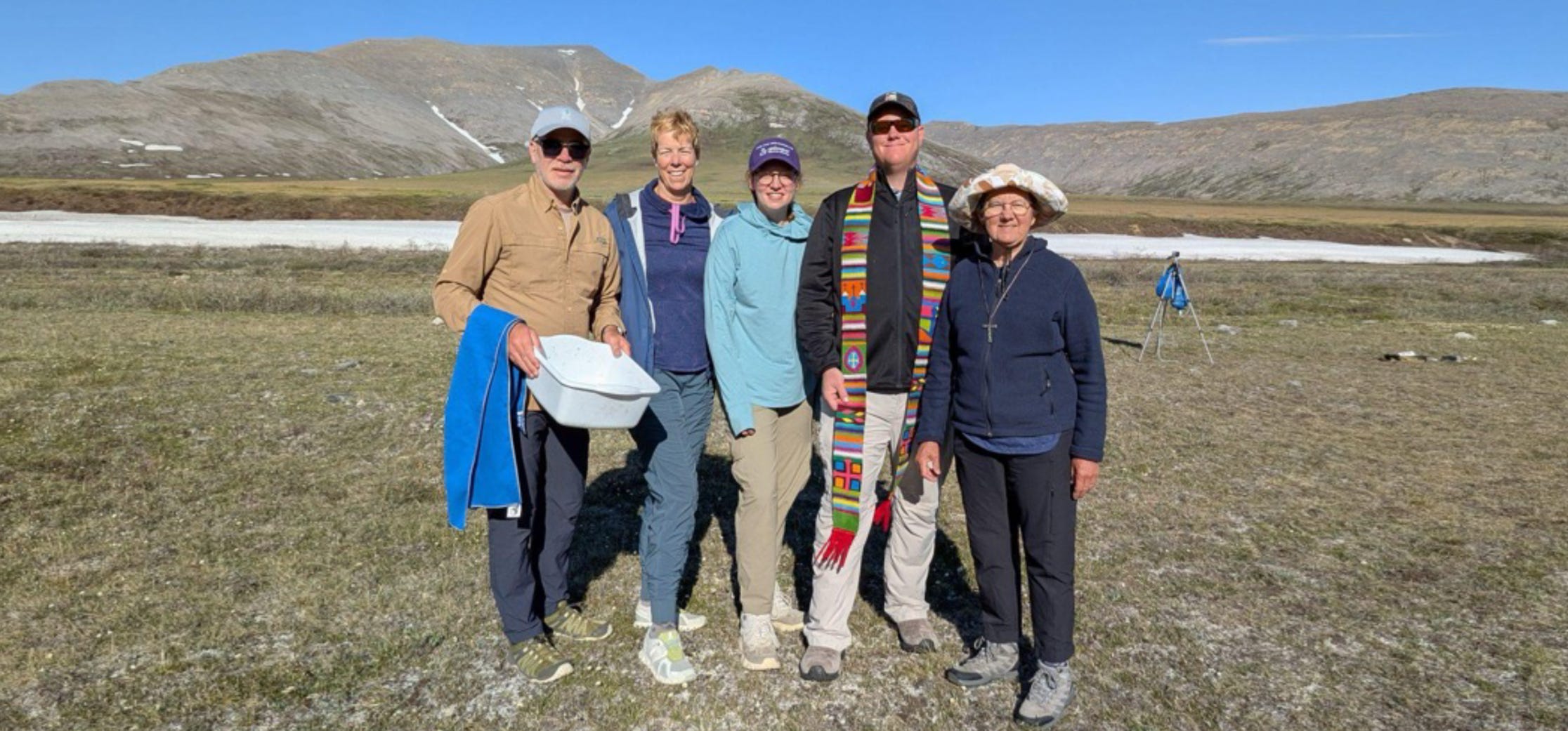
In this week’s newsletter, I’ve asked Jim to share some of what he witnessed on this extraordinary trip, what this unique place teaches us about our shared future, and how we can stand alongside the many already working to protect it. And for more, check out his Substack, where he wrote extensively about his trip to ANWR.
Take it away, Jim!

In June, nearly 690,000 acres of the U.S. Arctic National Wildlife Refuge’s coastal plain were offered for oil and gas leasing. But only 5 of the 58 available tracts received bids. And just two bidders participated, neither of them a major oil company, and the winning bids totaled just $3.7 million.
That is encouraging because the sale was supposed to demonstrate strong commercial demand for drilling in the Refuge. Instead, it showed that major companies recognize the enormous financial, logistical, and reputational risks of industrializing one of America’s wildest places.
This is not a complete victory. Five leases covering roughly 70,000 acres were sold, and even preliminary exploration could damage fragile tundra and disrupt wildlife. But the lack of serious industry interest tells us something important: decades of public advocacy have made a difference. Companies know that people are watching, and that drilling in the Arctic Refuge carries a cost well beyond the price of equipment and infrastructure.
The Refuge is home to polar bears, migratory birds, and the calving grounds of the Porcupine caribou herd. Protecting it is not an abstract environmental cause. It means protecting a place loved by generations of people, especially the Gwich’in communities whose lives and culture remain closely connected to the caribou.
The sale’s poor response is evidence that public outcry can change what companies consider possible.

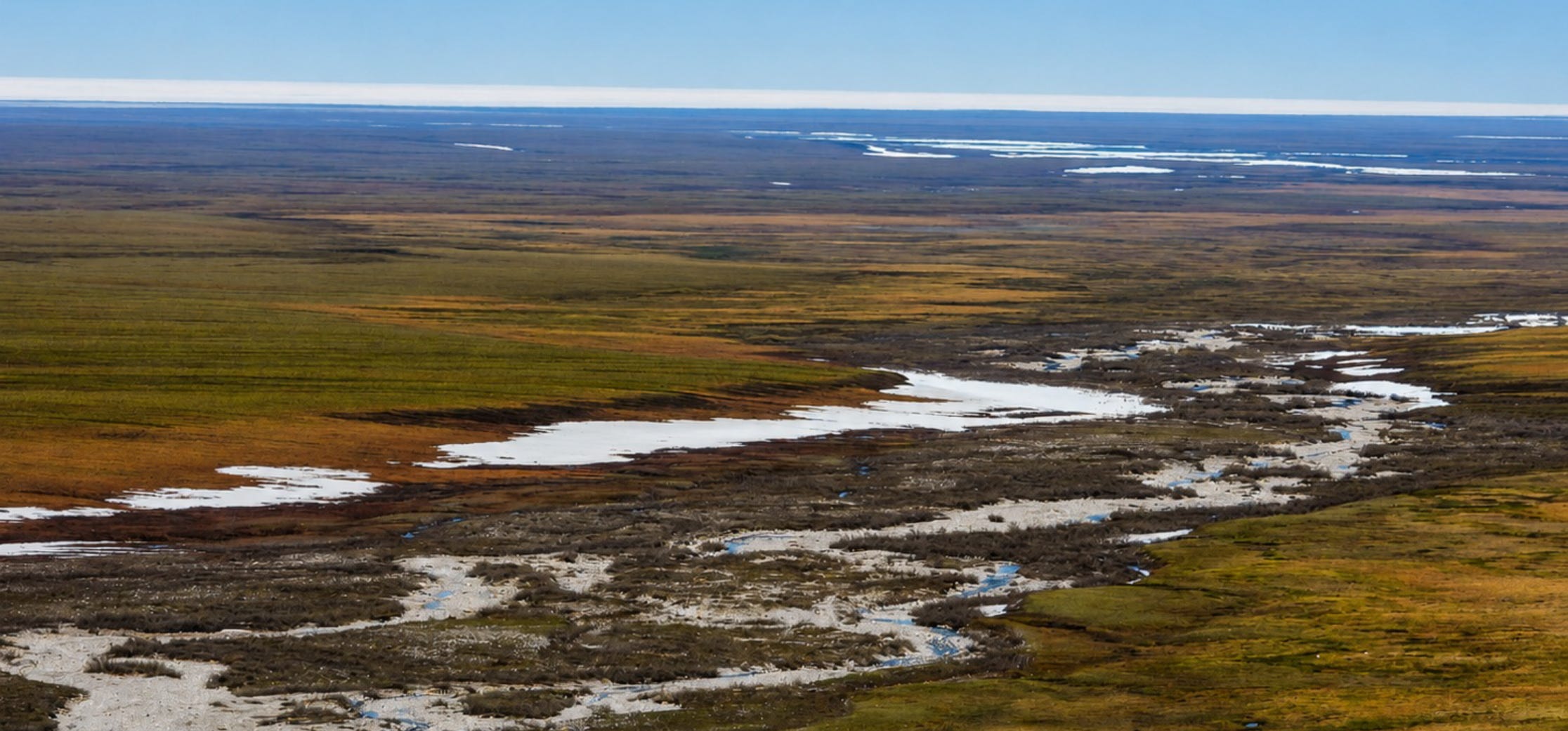
From a mountain above our campsite, I could see a narrow white line on the northern horizon: the frozen Arctic Ocean, about twenty miles away. It looked immense and permanent.
It isn’t.
@NOAA’s latest Arctic Report Card found that Arctic temperatures from October 2024 through September 2025 were the highest recorded since at least 1900. The maximum winter sea-ice coverage was the lowest in the 47-year satellite record. Compared with 2005, the Arctic’s end-of-summer sea ice was 28 percent smaller, while nearly all of its thickest, oldest ice has disappeared since the 1980s.
These are not just numbers about a distant sheet of ice. Sea ice is habitat. It helps protect Arctic coastlines and shapes the food webs on which animals and human communities depend. Snow and ice also reflect sunlight; when they disappear, darker land and water absorb more heat, accelerating the changes already underway.
The Arctic is warning us that later really can be too late. Carbon pollution from burning coal, oil, and gas is changing a place that has sustained wildlife and Indigenous communities for generations.
What happens in the Arctic will not remain in the Arctic (👋 KH here - for more, check out this Global Weirding episode about how changes in the Arctic affect us globally). But even if it did, that should be reason enough to protect it. A place does not have to be in our backyard to be part of the world we love and hope to pass along.


Listen to the stories of those on the front lines, and stand with them.
On our trip, we got to meet and talk with several representatives of the Gwich’in people, who for thousands of years have depended on the Porcupine caribou herd for food, culture, community, and spiritual life. They call the herd’s calving grounds on the coastal plain Iizhik Gwats’an Gwandaii Goodlit—“The Sacred Place Where Life Begins.” When that land and the caribou are threatened, the Gwich’in way of life is threatened too.
Here are three actions you can take this week in support:
Watch and listen. Begin with the two-minute film The Gwich’in and Vadzaih: Protecting Our Way of Life, in which Gwich’in people explain in their own voices why the caribou and their habitat matter.
Stay informed. Sign up for updates from the Gwich’in Steering Committee. They share news about threats to the Refuge and opportunities for public action. You can also donate to Gwich’in-led advocacy.
If you live in the U.S., make your voice heard. Contact your senators and representative and tell them you want the Arctic Refuge protected from oil and gas development. You’re in the majority – according to the Yale Program on Climate Change Communication, 68 percent of Americans support this (and you can find the exact numbers for your state and congressional district here!)
Care begins by paying attention. It becomes solidarity when we act alongside the people already leading the work.
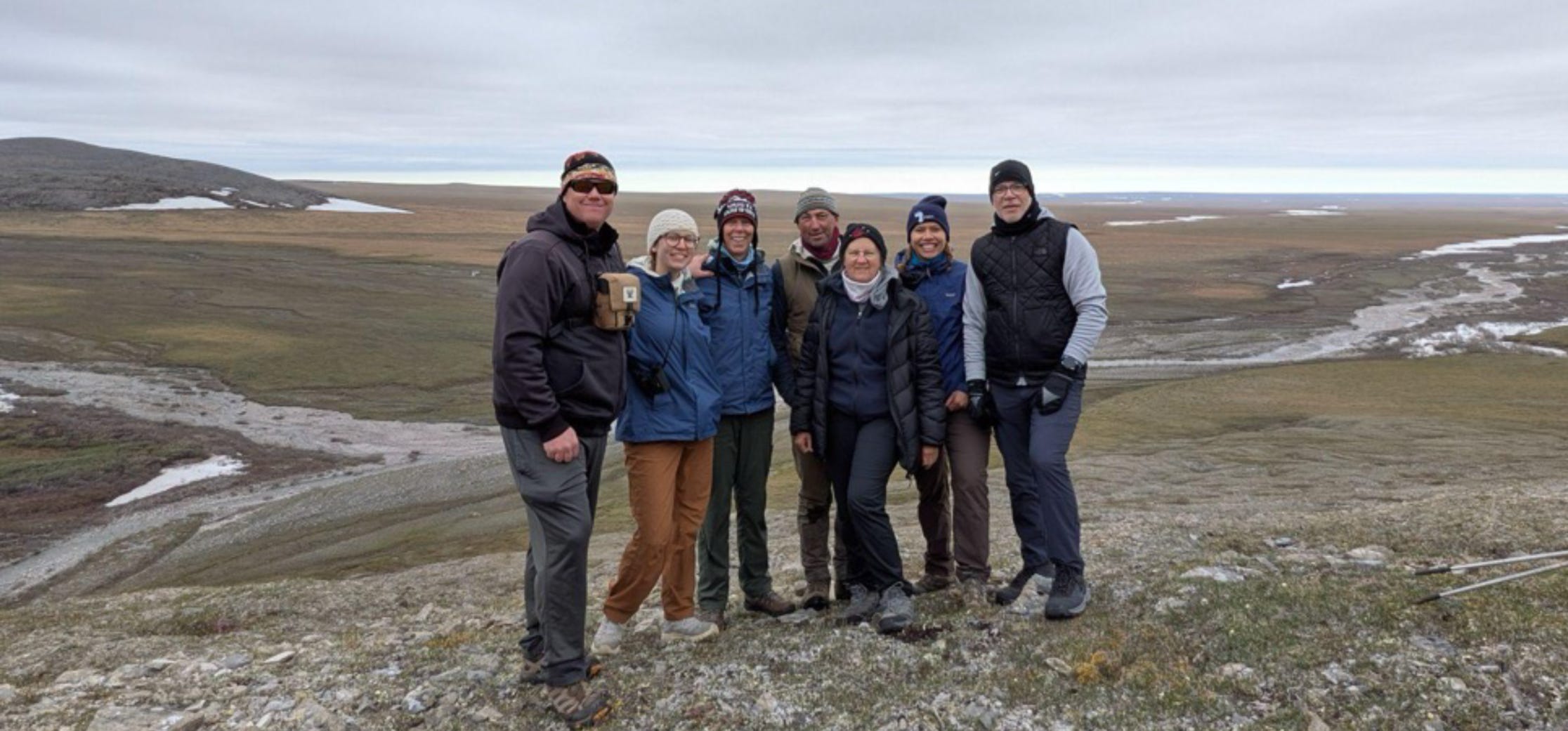

Thank you, Jim, for sharing your experience with us! If you’d like to learn more about Jim’s work, he hosts BioLogos’s podcast, Language of God, and is the author of several books, including The Sacred Chain: How Understanding Evolution Leads to Deeper Faith.
If you are a Christian, or you know someone who is, I also recommend checking out the BioLogos Conversations for Creation page for steps and resources for having fact-based, values-led conversations about creation (and about other scientific issues, such as vaccines and evolution).
You can also follow BioLogos on Instagram, Facebook, and now TikTok!