

Click here to listen to this episode on your favorite podcasting platform.

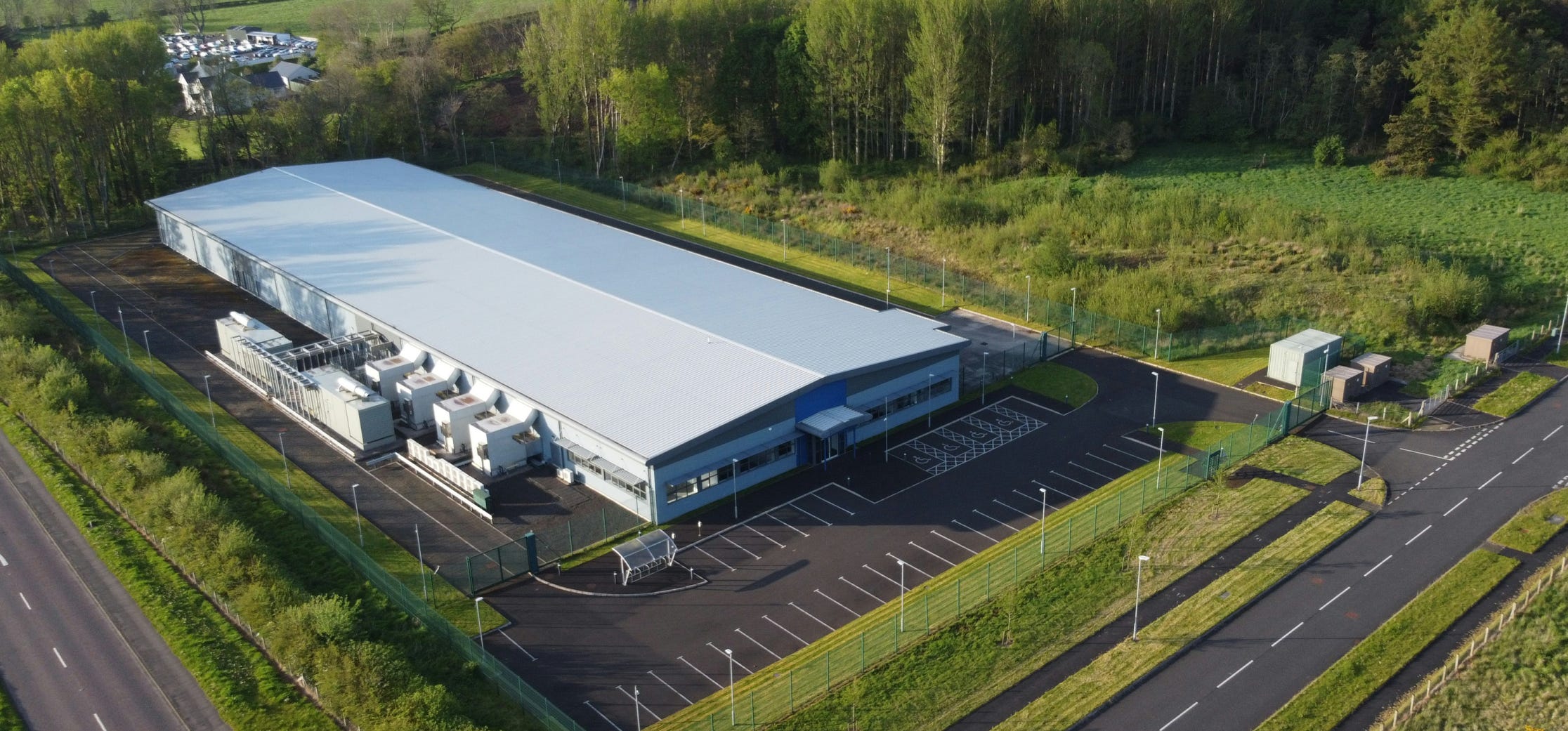
Across the US, the rapid expansion of data centres is bringing together unlikely allies. Earlier this year, Yale and George Mason researchers found that opposition was strongest among people who are alarmed about climate change, those who are concerned… and those who are dismissive!
Concern about these giant and often massively under-regulated resource-suckers is growing across the spectrum, as people hear more and more about how they’re driving up power costs, draining local water resources, and polluting the air. And during the 2026 U.S. midterm elections last week, those shared concerns became shared action.
According to the Data Centers on the Ballot scorecard, of 46 local ballot measures related to data centres, all but one landed on the side of restricting their expansion. Wells, Maine, backed a temporary pause; El Dorado, Kansas, approved a ten-year ban on facilities above a specified electricity demand; and many other communities used their votes to change the rules. Not only that, but there’s some evidence this was a factor in overall election results as well.
As I’ve talked about before, the impact of AI and data centres depends critically on where and how they’re built, used, and powered - and that in turn depends on how they’re regulated. That’s why public pressure is essential to holding companies accountable for those choices.
The hopeful part is how familiar these concerns are: affordable electricity, reliable water, a healthy place to call home. These are the same things we protect when we act on climate change. Seeing people come together across political divides for these reasons gives me hope for what else we can accomplish together.

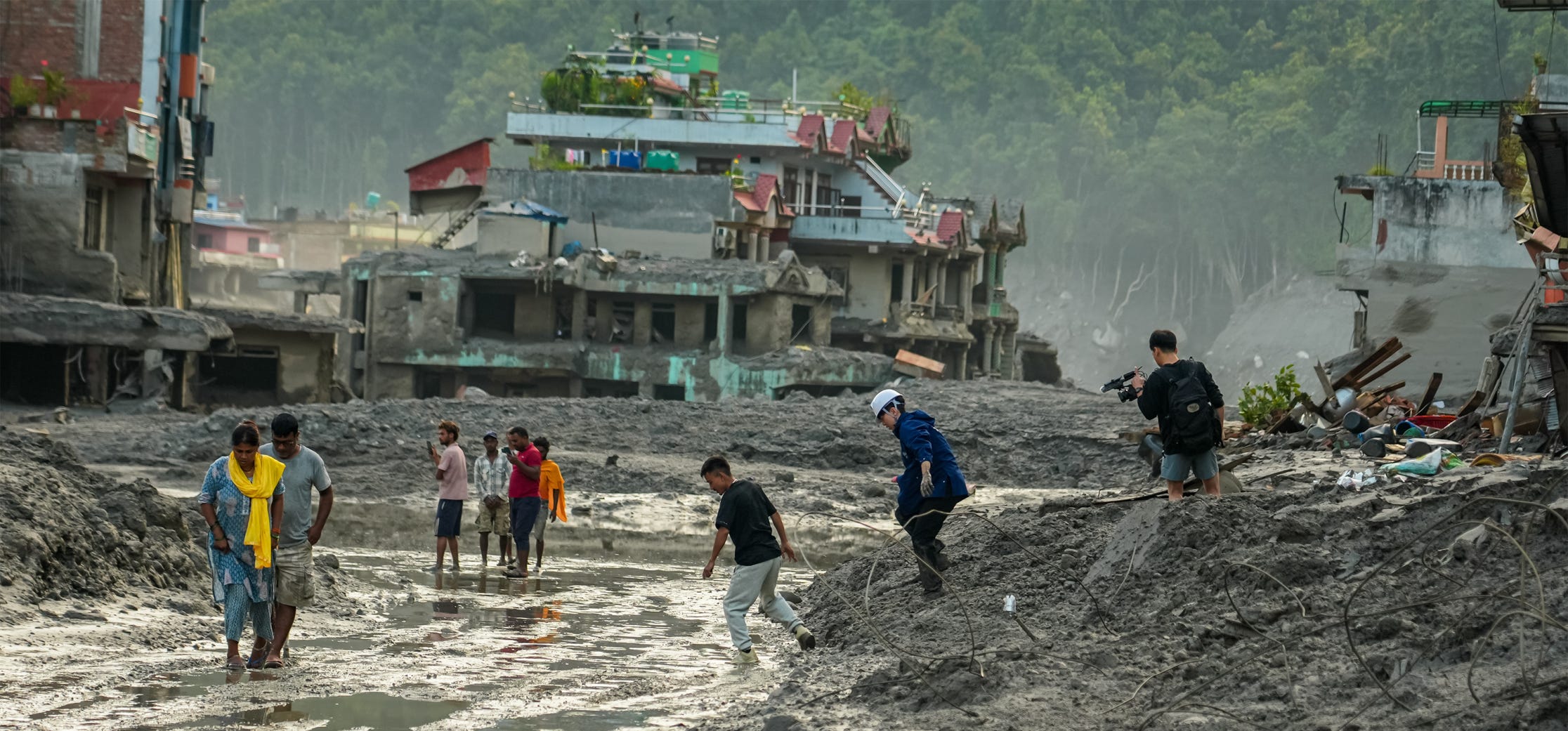
Wealthy nations are failing to fully fund climate adaptation for the developing world, according to a new UN report. The burden of climate disasters already falls overwhelmingly on poorer nations: of the 765 million people hit by floods and landslides from 2020 to 2025, 99 percent lived in low- and middle-income countries.
By 2035, developing countries will require $305 billion a year to prepare for climate impacts including worsening heat, floods, drought and rising seas. Countries need these funds to pay for coastal defenses, cooling for people who work in extreme heat, and crops that can survive drought. But in 2024, international public finance for adaptation amounted to only $28 to $32 billion.
The UN report came out just ahead of COP31, which opened in Antalya, Turkey, on Monday, and this shortfall is expected to drive much of the discussion there. “At climate COP31 in Türkiye and beyond, nations must focus on intensifying efforts to triple adaptation finance by 2035– while understanding that they will need to go even higher to save lives, avoid losses and damages and protect economies,” said Inger Andersen, UNEP Executive Director.

You don’t need a conference badge to get involved in COP31, the big climate conference that’s going on right now – and you don’t need to fly to Turkey, either. I’m not!
Wherever you live, you can follow the discussions, connect with people pushing for change, and bring what you learn into your community. Here are three ways to do it:
Explore the COP31 event calendar, filtering for public webcasts. Pick a discussion about something you care about, like food, water, or health, and listen in.
Get a quick daily update with Pop-up COP‘s 15-minute livestreams on LinkedIn. Even a few minutes can introduce you to solutions and the people working to make them happen.
If you’re on Instagram, follow along with Xiye Bastida, Indigenous climate activist and co-founder of the Re-Earth Initiative, as she shares an on-the-ground perspective of what it looks like to be at COP31 right now. On LinkedIn, follow Bernadette Woods Placky, my Talking Climate Collaborative co-founder who’s also at COP, sharing all things weather, climate, and communication!
Then, share something you heard and learned. Talk about it with friends, family, or colleagues. And finally, connect back with a local organisation to ask how you can help turn shared concerns into action. Climate Action Network International’s member directory lists organisations around the world. Find one or two nearby, sign up for their newsletter or follow them on social media, and learn about what they do and how to support them and add your voice.
COP31 lasts two weeks. The conversations we start can carry its lessons much further.