

Did you know Talking Climate is also a podcast? You can get your weekly infusion of good news, not so good news & what you can do directly through your ears! The episodes are just 5 to 8 minutes long - perfect for a short commute, a brief walk, or something encouraging to listen to while you’re doing a chore. Click here to listen to this episode on your favorite podcasting platform.
This week, I am delighted to hand the newsletter over to Merritt Turetsky. Merritt, aka the Queen of Peat, is an ecologist, professor, mom of three daughters, and author of a new book called Bogland: The hidden world of Earth’s most extraordinary ecosystems that I can’t wait to read. I also think its UK cover (see below) is so beautiful, it should be turned into a puzzle!
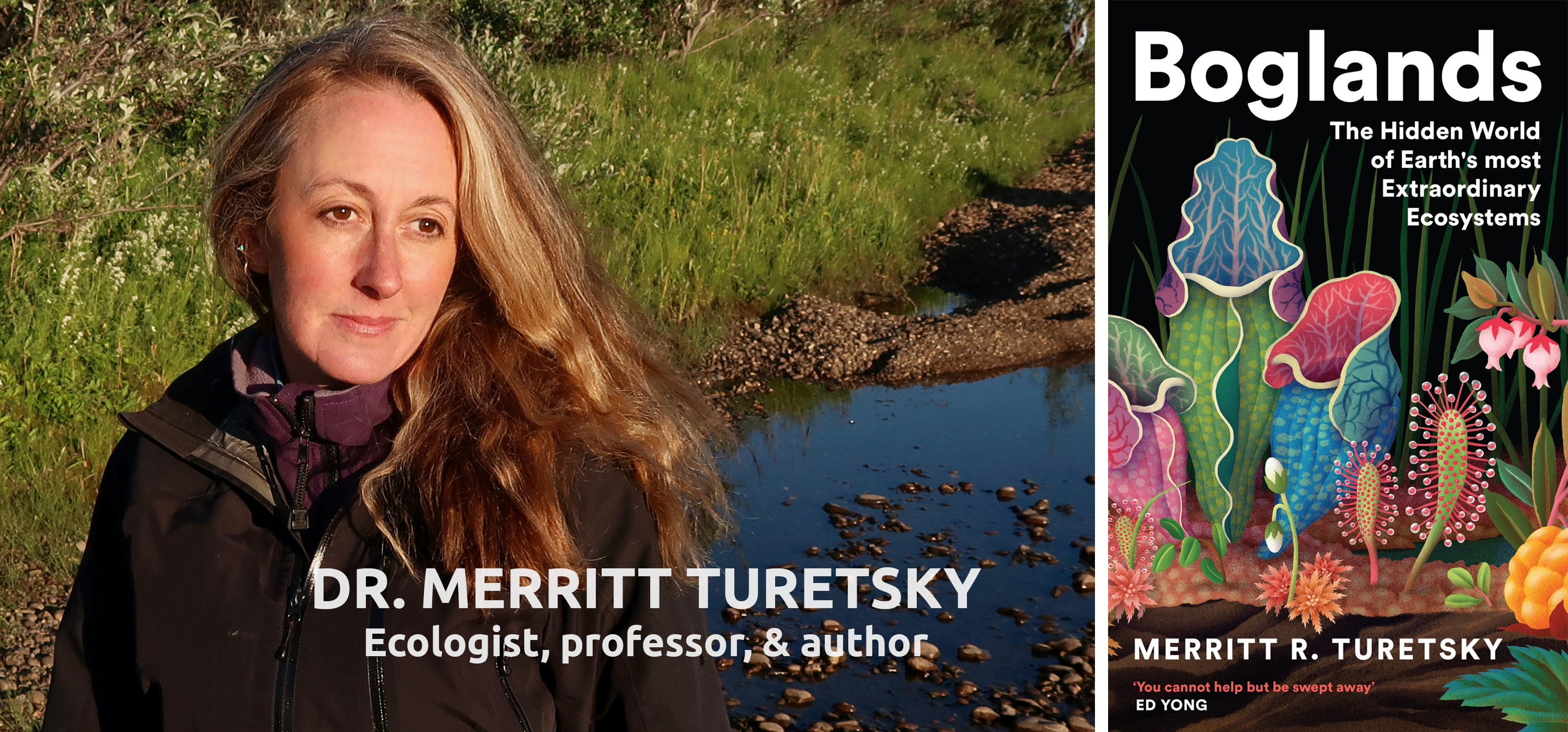
For three decades, Merritt has explored the hidden worlds of peatlands, permafrost, fire, and carbon, working across the Canadian and Arctic north to understand how these extraordinary systems shape our changing planet.
A passionate science communicator, Merritt believes bogs are wild, beautiful, creative places that hold stories, biodiversity, and clues to our future. Through her science, writing, and enthusiastic advocacy for all things peat, she is building a global community of bog champions.
Take it away, Merritt!

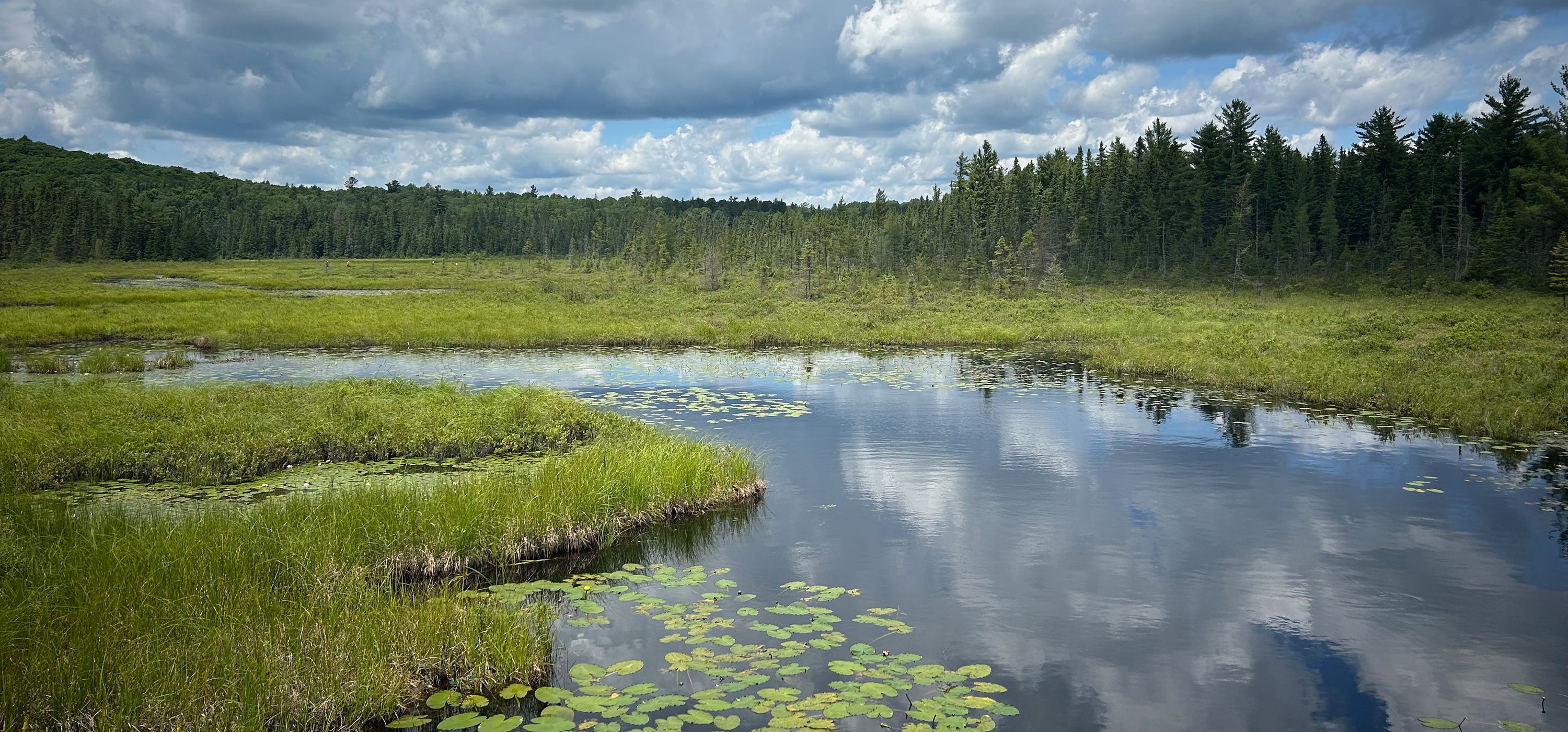
For a long time we saw “wet” as “bad” – but many are beginning to imagine a different and much more positive relationship with wet land. Take paludiculture, the practice of farming with water instead of fighting it. Rather than draining peatlands, paludiculture keeps the peat wet and the carbon it contains in the ground, while helping local communities make a living from what grows there.
In Germany, projects are exploring crops including cattails for insulation, reeds for fibreboard, and Sphagnum moss for a variety of uses; in the U.K., large-scale projects are testing crops, farming techniques, and new markets for wetter agricultural landscapes. And in Indonesia, communities have developed livelihoods around plants such as sago for food and purun that’s used for mats, baskets, and furniture.
I find this hopeful because it marks a profound shift in how we think about peatlands: not as a problem that needs to be engineered away, but as landscapes whose ecological functions, including storing carbon, can become part of the livelihood they provide.
In some ways, this is not a new idea. One of the discoveries I made while writing Bogland was that people have used peatlands for thousands of years: for grazing livestock, gathering plants, preserving food, and as places of ritual significance. Our ancestors lived with their wetness, sometimes depended upon it, and sometimes treated it as sacred. Peatlands were working landscapes and cultural landscapes at the same time.
In this sense, paludiculture asks us to look forward by looking back; remembering that there have always been ways of living with wetlands. If we can embrace boglands rather than turn our backs on them, we will discover that wetness is not an obstacle to human flourishing but rather part of what makes these landscapes valuable in the first place.

A recent story about a peatland in North Carolina caught my attention. Roughly the size of Manhattan, NY, this ecosystem in the Inner Banks was drained decades ago for agriculture and as a result it now releases around 130,000 tons of CO₂ each year. This is like burning 392,000 pounds of coal every single day of the year. (👋 KH here – this is exactly why protecting and re-wetting North Carolina’s unique peatlands is a major focus of The Nature Conservancy’s work in that state. Learn more about it here!)
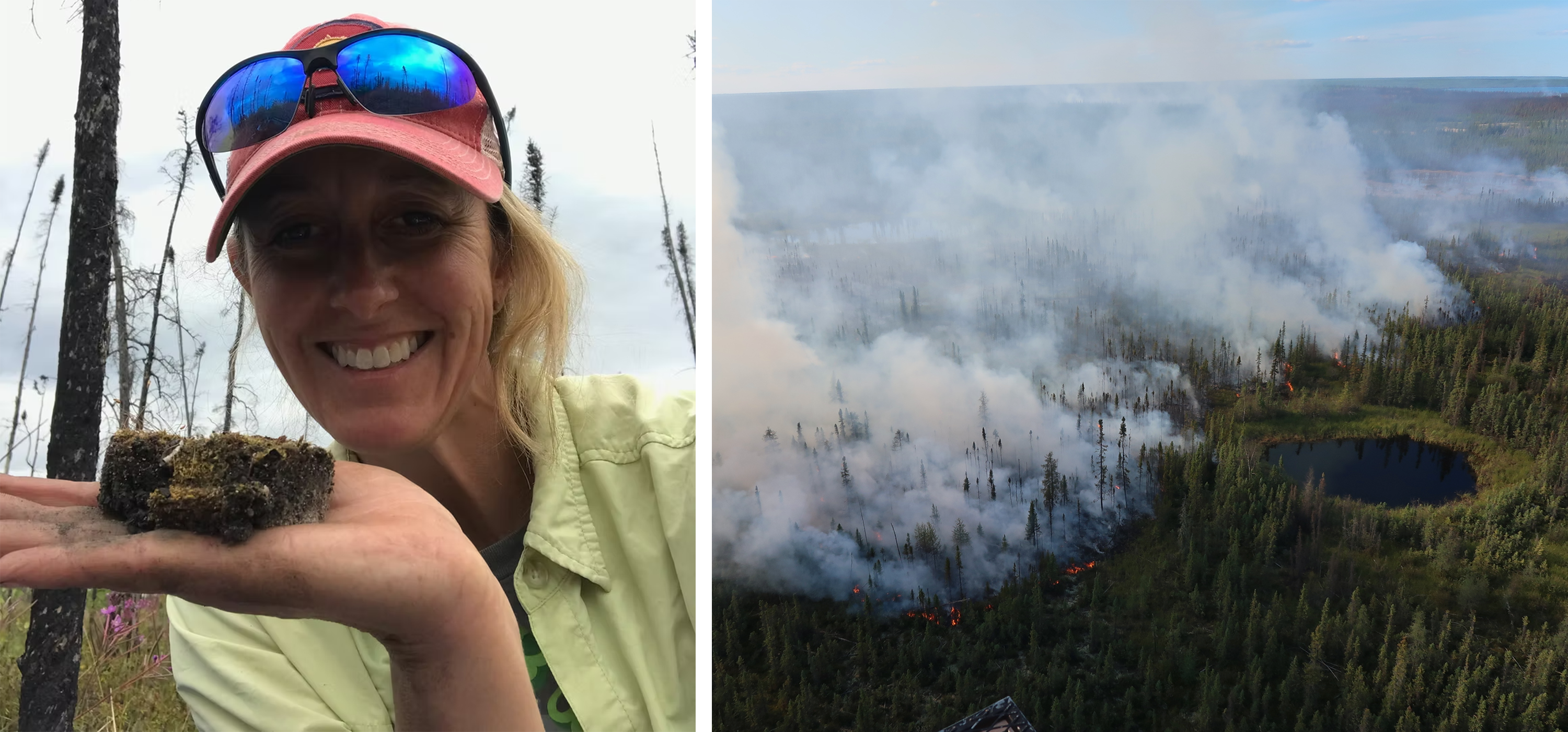
This points to a larger danger: when peatlands lose their water, they can stop storing carbon, and at the same time can become much more vulnerable to fire. This summer, drought fueled a severe fire season in Indonesia. There and elsewhere, dried peat soils can smolder underground, sometimes for months, releasing carbon accumulated over many centuries. In June, two unusually early wildfires burned in Greenland’s tundra. Fires are still rare there, but scientists are concerned that warmer, drier conditions are making these landscapes more flammable. Even a relatively small fire can reach carbon that has been stored for a very long time.
What connects these stories is water. Peatlands store carbon because waterlogged conditions slow the decay of carbon-rich organic material and help keep fire at bay. Drain a peatland for agriculture, dry it during drought, or—in the far north—warm and disturb previously frozen ground or permafrost that helps hold water in place, and some of that protection disappears.
A peatland can spend thousands of years building its carbon store. Once that store is exposed to oxygen and fire, the ancient carbon can be lost very quickly. Increasingly, the fate of that carbon is tied to how well we protect the water that keeps it there.

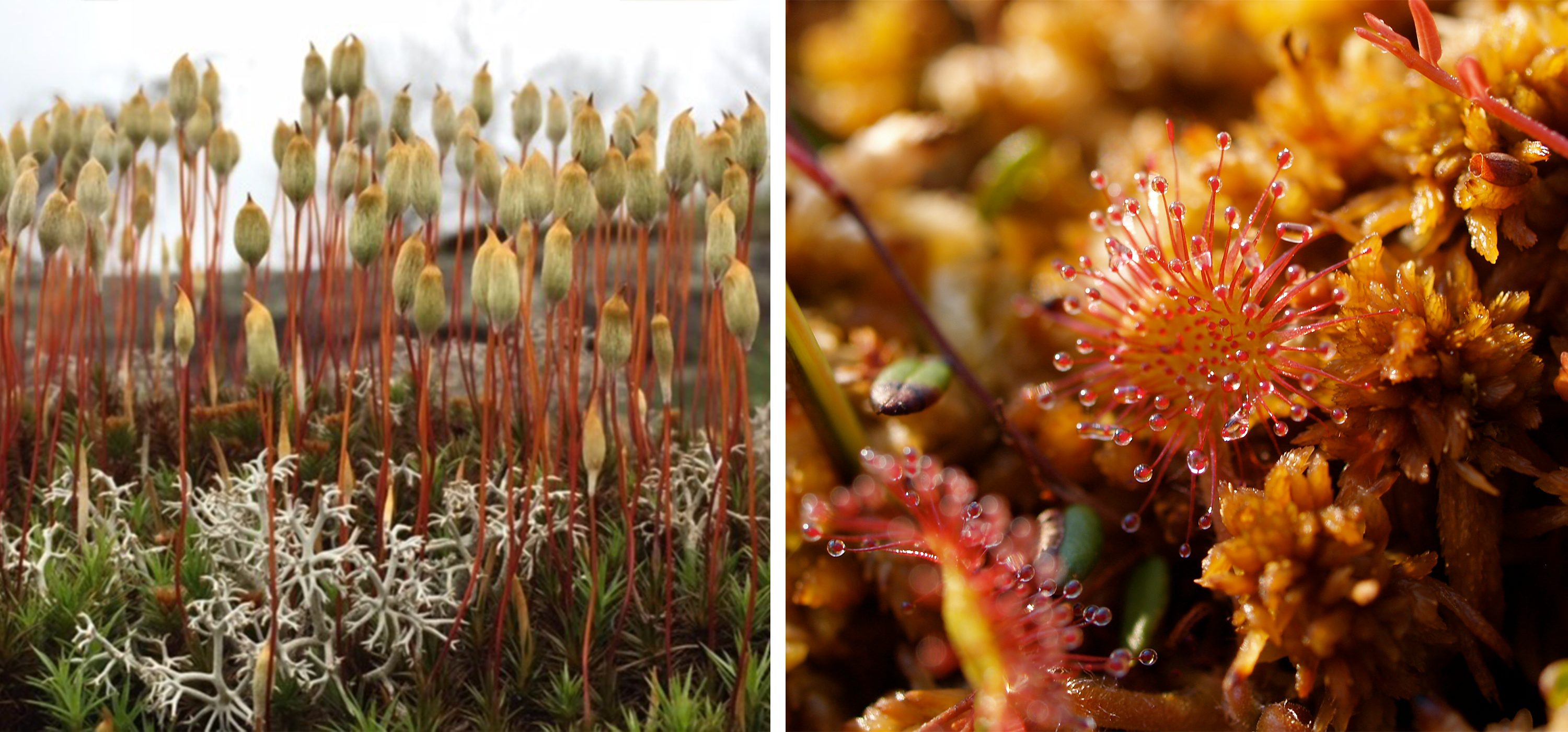
We cannot achieve a more secure climate without deep reconnection with the natural world. The more we know and love the places around us, the more we recognize what is at stake, and the more willing we are to act to protect them in a changing climate. For me, that has meant seeing peatlands not as empty, soggy landscapes, but as living ecosystems that store carbon, hold water, support biodiversity, and preserve stories of past worlds.
This week, I invite you to become a bog champion. Chances are, there’s a wetland near where you live. Visit it, learn its plants and wildlife, and share what makes it special. Ask your local garden store to stop selling peat-based compost and soil products. And support organizations working to conserve and restore peatlands.
These actions may seem small, but action for climate and nature often begins with caring about a place enough to speak up for it. We can’t protect what we don’t notice.
I offer many more ways to become a bog champion, from changing everyday gardening practices to supporting peatland conservation efforts in my new book, Bogland. And if you need inspiration for your next adventure, the book includes a bog bucket list of extraordinary peatlands around the world that are worth visiting—and worth protecting.

Thank you, Merritt, for helping us see these extraordinary places with fresh eyes! I love your reminder that action begins with noticing and caring.
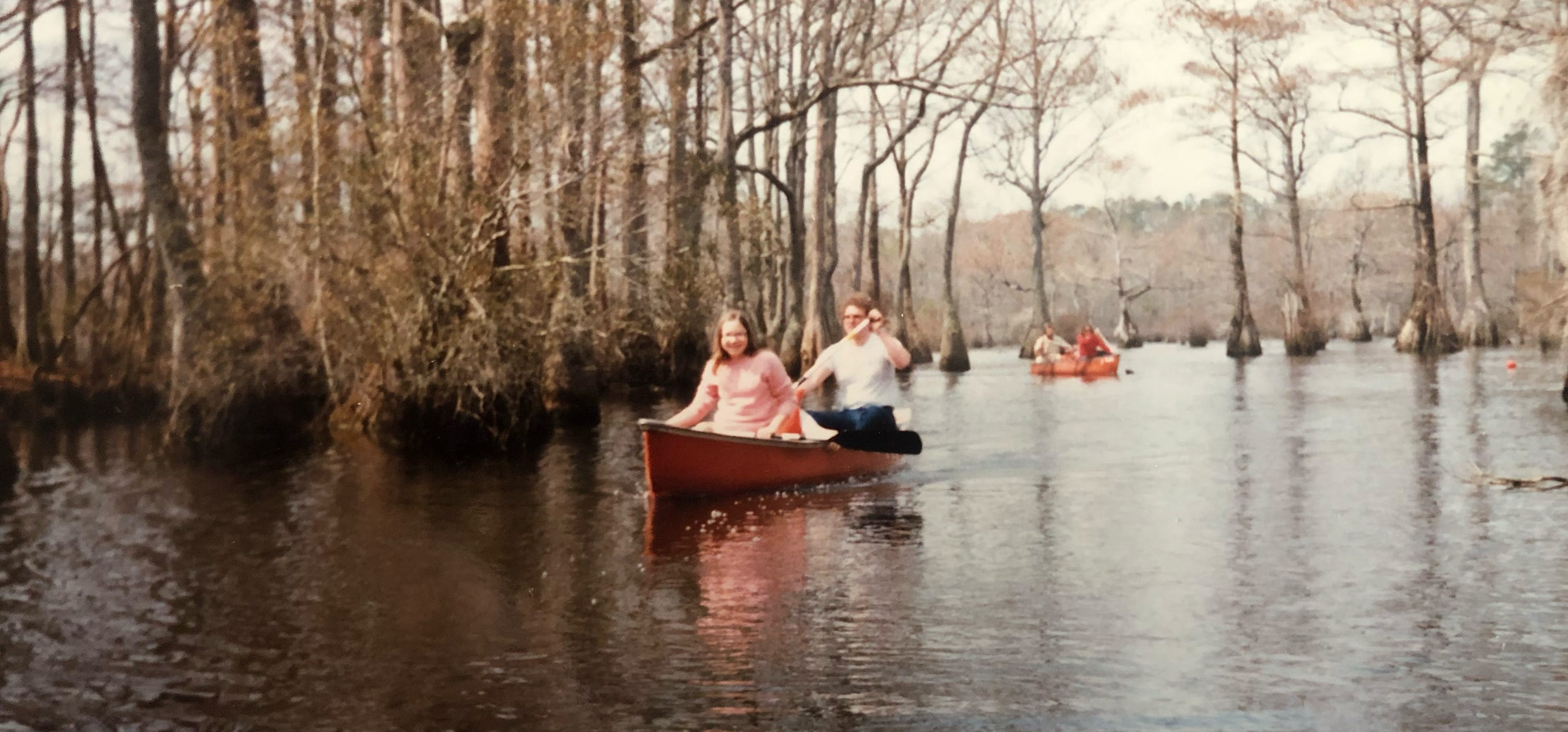
I look at bogs differently thanks to what I’ve learned from Merritt. While I’ve already visited many wetlands, from North Carolina’s Great Dismal Swamp (me at 13, pictured below) to the beaver pond wetlands of my native Ontario, a trip to an Arctic bog with Merritt is now on my bucket list.
For more, follow Merritt on Bluesky, Instagram, X, and LinkedIn. To see the beauty of bogs through her eyes, explore her photography and videography portfolio.

Tues Oct 20 at 7pm ET - A Sustainable Future, in conversation with Margaret Atwood (YES really!) - in person at the Isabel Bader Theatre at the University of Toronto - Victoria University; tickets $40 CDN to benefit Vic’s sustainability fund.
Mon Nov 2 at 7pm PT - Climate Action & Conversation Across Divides with WorldOregon - in person at Alberta Rose Theatre in Portland, OR; tickets $31.25