



People often assume that talking about climate change is controversial. But research keeps finding the opposite: most people support climate action—they just don’t realize most other people do too.
A landmark study in 2024 found that across 125 countries, people consistently under-estimated how much their fellow citizens cared. Why? Because hardly anyone is talking about it. And if you don’t talk about it, how would anyone know that you cared? Your friends, family, neighbours and colleagues are not mind readers!
That’s why it’s such great news that Japan’s news media is helping close that gap.
Inspired by Covering Climate Now’s 89 Percent Project, which in turn was inspired by the 2024 study above, news organizations across Japan are working together to remind people that 89% of Japanese people support stronger climate action. Through TV announcements and daily social media posts, the campaign is running through the end of the year, encouraging more people to start talking about climate change.
Japan is the world’s fourth-largest economy and fifth-largest emitter, and it’s already feeling the heat—2025 marked the hottest summer in the country’s recorded history, and climate change has measurably impacted everything from matcha to rice harvests, as I’ve talked about before. Yet like many world leaders, Japan’s government has been slow to act boldly on climate.
This invisible-majority problem doesn’t just keep individuals quiet— a recent study found that it misleads leaders, too. When people stay silent, politicians assume that silence means indifference, and act accordingly. Japan’s news media is helping millions of people realize they’re not having that conversation alone. As you can guess from the title of my TedTalk, this is a huge step forward!

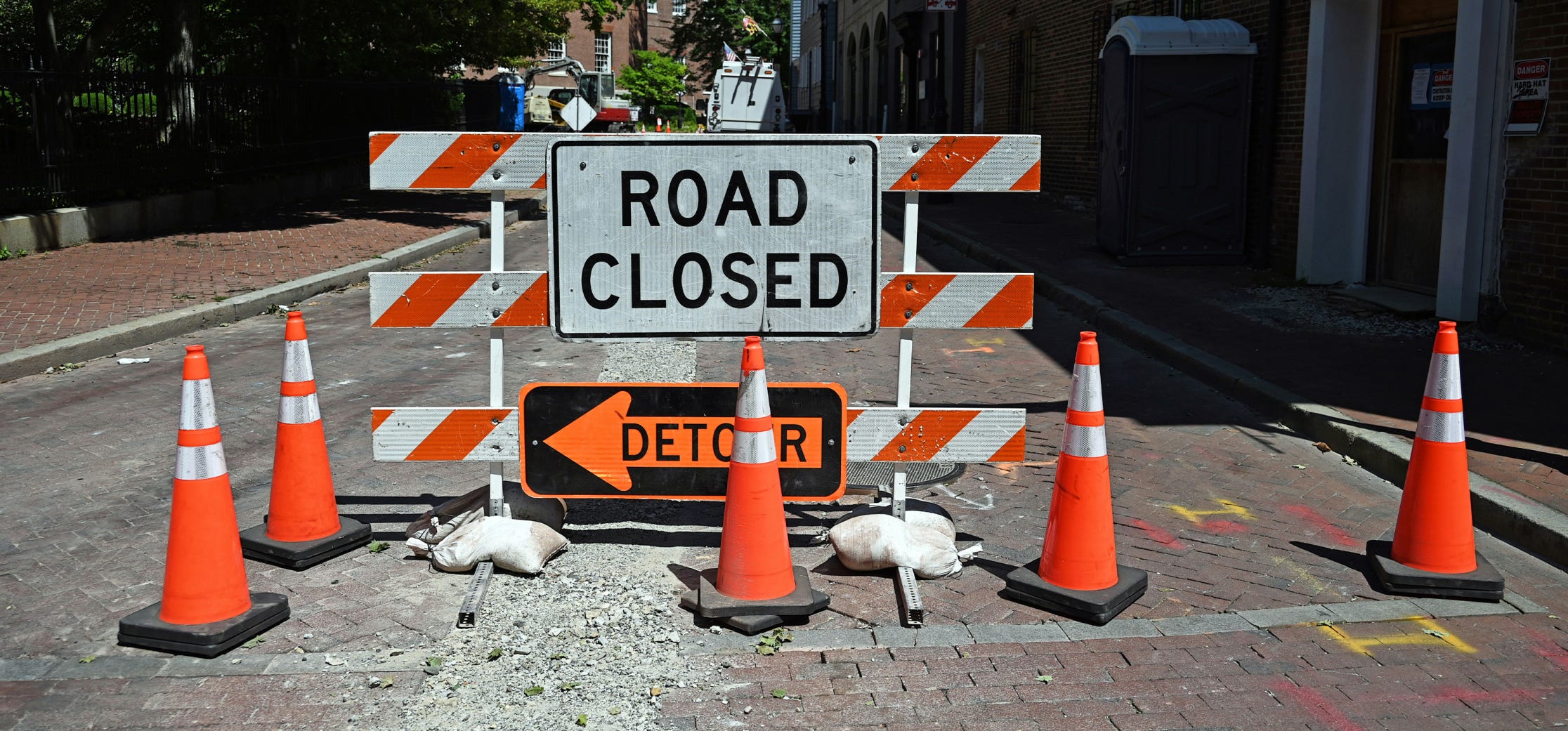
I’ve talked a lot the last few weeks about how climate change is making heat waves more frequent and more intense, and how that’s affecting people’s health. But it’s also revealing that infrastructure built for yesterday’s climate can’t handle today’s heat.
A heatwave that scorched much of the eastern United States over the Fourth of July weekend caused a stretch of the I-97 highway in Maryland to buckle. Blistering temperatures in Germany in late June led the concrete on part of the Autobahn near Berlin to actually burst. In Leipzig, the asphalt around tram tracks melted, forcing the tram to be closed.
As heat records keep falling, roads, railways, power plants, and electric grids are being pushed past the limits they were intended for. “In many ways, we’ve designed our infrastructures over decades, if not centuries, for temperatures that have been relatively milder,” engineering professor Mikhail Chester said last year. Roads and bridges were built to withstand a certain level of heat, and many are now experiencing temperatures beyond what engineers planned for.
The question isn’t whether we’ll pay for climate change—it’s whether we’ll pay before infrastructure fails or after. We must rebuild for the extremes we’re already living through. That’s why I spent ten years myself contributing as a researcher to the Infrastructure Climate Network and working with the U.S. Department of Transportation.
But there is good news! London is already beginning that work. Its new Heat Ready London plan offers a citywide blueprint, from retrofitting vulnerable buildings to expanding shade and preparing essential services for hotter conditions. That’s how we build cities ready for the climate ahead.
Want to learn more? This report from the UN Economic Commission for Europe explains more about the major risks transportation systems face in a warming world.

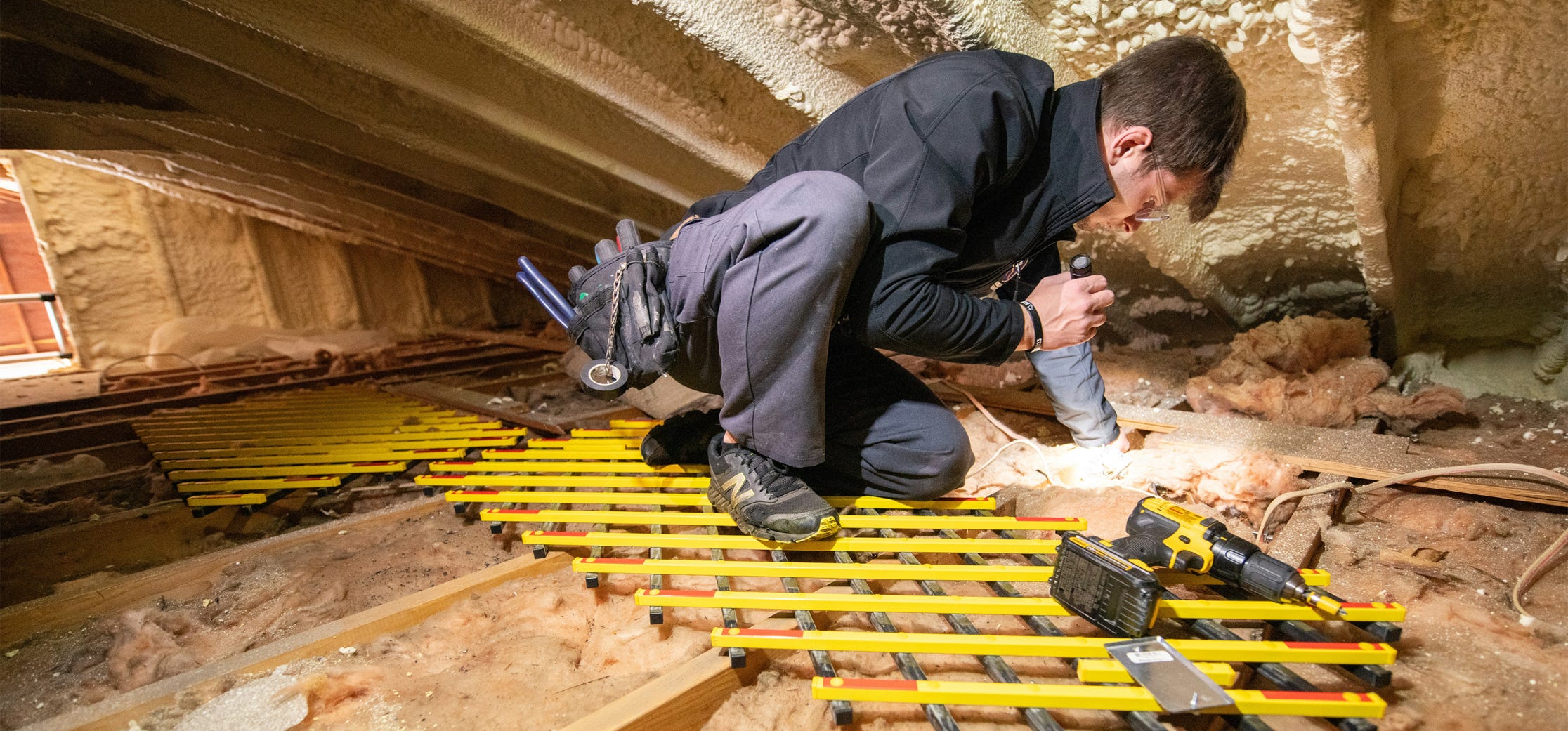
I’ve previously shared tips for staying safe outdoors during extreme heat—but recent heatwaves are a reminder that staying safe increasingly means thinking about whether our homes are ready for the climate of the future, not the climate of the past.
ClimateCheck has a comprehensive guide to making your home more resilient at all levels. Upgrades like adding insulation in your attic, under your floors, and behind your drywall can make a big difference. You can even encapsulate your crawl space (if you have one) or paint the exterior of your home with elastomeric paint, as increased heat and humidity can lead to more mold and mildew.
Improving your attic’s ventilation is another effective option, allowing excess heat to escape rather than build up inside your home. In some cases, installing a whole-house attic fan can further improve airflow and reduce the need for air conditioning. Some homeowners’ warranties will cover an HVAC system assessment and repair (holes can develop with regular wear and tear and are usually easy to patch).
And yes — do consider installing air conditioning if indoor temperatures get too high, or if wildfire smoke (like what’s affecting much of Ontario today) makes it unsafe to keep windows open. I understand air conditioning uses a lot of energy, but where I live in Texas, our electricity plan is 100% wind power, so it doesn’t have to come at a climate cost. And honestly, we couldn’t make it through the summer without it.
For generations, most people built homes to keep their families warm. Increasingly, we’ll need homes that can also keep us cool. If you have family and friends at risk, have this conversation with them today!
Thank you for your ongoing commitment to promoting our duty to care for one another's freedom and human rights. We're not free if we can't stay cool enough to live. Now that a livable climate has been declared a human right, we need to recommit to promoting our duty to care for one another's freedom and human rights.