

Last week, I shared how cities around the world are redesigning streets for people instead of cars—and why walkable communities are better for our health, our air, and our connection to each other.
But did you know that you can actually measure how walkable your own community is? Geographer & Talking Climate reader Joseph Kerski Phd GISP sent me a crowdsourced map and survey where anyone can rate their neighborhood, upload photos, and contribute to a growing global dataset.
This useful tool offers a simple but powerful way to see your surroundings through a new lens and help build a bigger picture of what walkability looks like around the world.
Click here to participate!

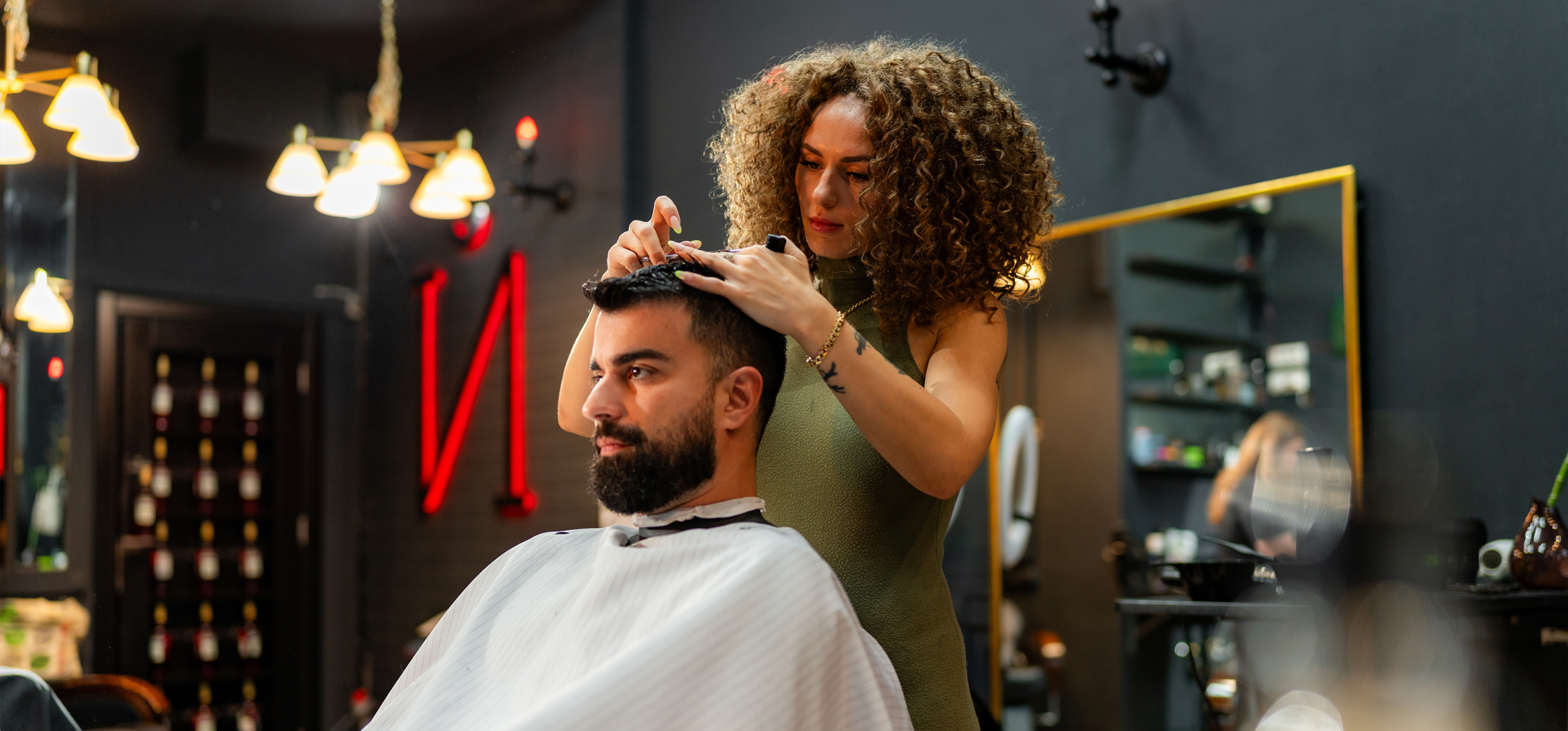
You know that one of the best things you can do about climate change is talk about it. Back in Talking Climate’s first year, I shared the story of hairdresser Paloma Rose Garcia, who started a program she called “Brush With Climate” and invited two local climate scientists to teach classes on climate change to fellow hairdressers in Sydney, Australia.
Then last year, I was encouraged to see the program spreading. “Brush With Climate” reached Ireland, where a new initiative at University College Cork is implementing it in four towns across the country.
Now, a new U.K. study confirms what this effort has been showing all along: hairdressers are uniquely positioned to be effective climate messengers. They build trust with their clients over months and years, creating natural opportunities to weave climate and sustainability into regular conversations. The opportunity is there – but so far, it’s barely been tapped.
When it comes to climate messengers, “we’re used to thinking of people in the public eye, such as celebrities, as influencers,” said Dr. Briony Latter, an author based Cardiff University. “But what about the people you actually talk to on a regular basis who know you and who you trust with your appearance and sometimes more personal aspects of your life? Hairdressers have an untapped ability to weave climate change into everyday conversations and actions.”
Just do a quick back of the envelope calculation with me. In the U.S. alone, it’s estimated there are over half a million hair dressers and hair stylists. The average number of clients seen per day is 12. Imagine if just 10% of them were having climate conversations with half the people they saw. That could add up to nearly 75 MILLION CONVERSATIONS a year!
Pair that with data from Yale Program on Climate Change Communication showing that 64% of Americans rarely or never hear anyone talk about climate change. That’s about 210 million people. So if only those 10% of hairdressers keep it up for a few years, that could nearly wipe out climate silence across an entire country!
Reality check - of course they can’t talk to everyone, and many of their clients would be repeats. But those clients would go on to have their own conversations, too. So I don’t think there’s any question this program has the potential to visibly change the number of climate conversations at a national scale.
And that’s not all these conversations could change. For the U.K. study, conversation starters were placed on salon mirrors to spark conversations. Almost 73% of clients who participated in conversations prompted by the “Mirror Talkers” intervention said they would adopt more eco-friendly habits. Could hairdressers be some of the best climate influencers there are?!


War is horrible for myriad reasons: above all, its toll on human life. One often overlooked impact, though, is that modern warfare is incredibly carbon intensive. The first two weeks of the Iran war have released some 5 million tonnes of carbon pollution. That’s more than the nation of Iceland emits in an entire year, according to this analysis from the Climate & Community Institute.
To calculate the carbon costs of the Iran war, the researchers looked at “direct ‘tailpipe’ emissions, indirect supply chain emissions, and conflict emissions—including destroyed equipment, missiles and drones used, destroyed fuel in storage and oil tankers, fuel used in combat operations, and destroyed civilian infrastructure.” And the cost of rebuilding infrastructure damaged by warfare is even more carbon-intensive than the war itself, the analysts found. That’s not even included here yet!
This is true of other recent conflicts, too. The Gaza war has resulted in more than 33 million tons of carbon emissions, one analysis found. Another assessment conducted by the Initiative on GHG Accounting of War found the first three years of Russia’s full-scale war on Ukraine created 237 million tonnes of carbon pollution (equivalent to the annual emissions of Austria, Hungary, Czech Republic and Slovakia combined), causing over $43 billion in damage.
And war, of course, makes existing environmental problems harder to address and climate goals harder to hit. In a nutshell, no matter who “wins,” we all lose.

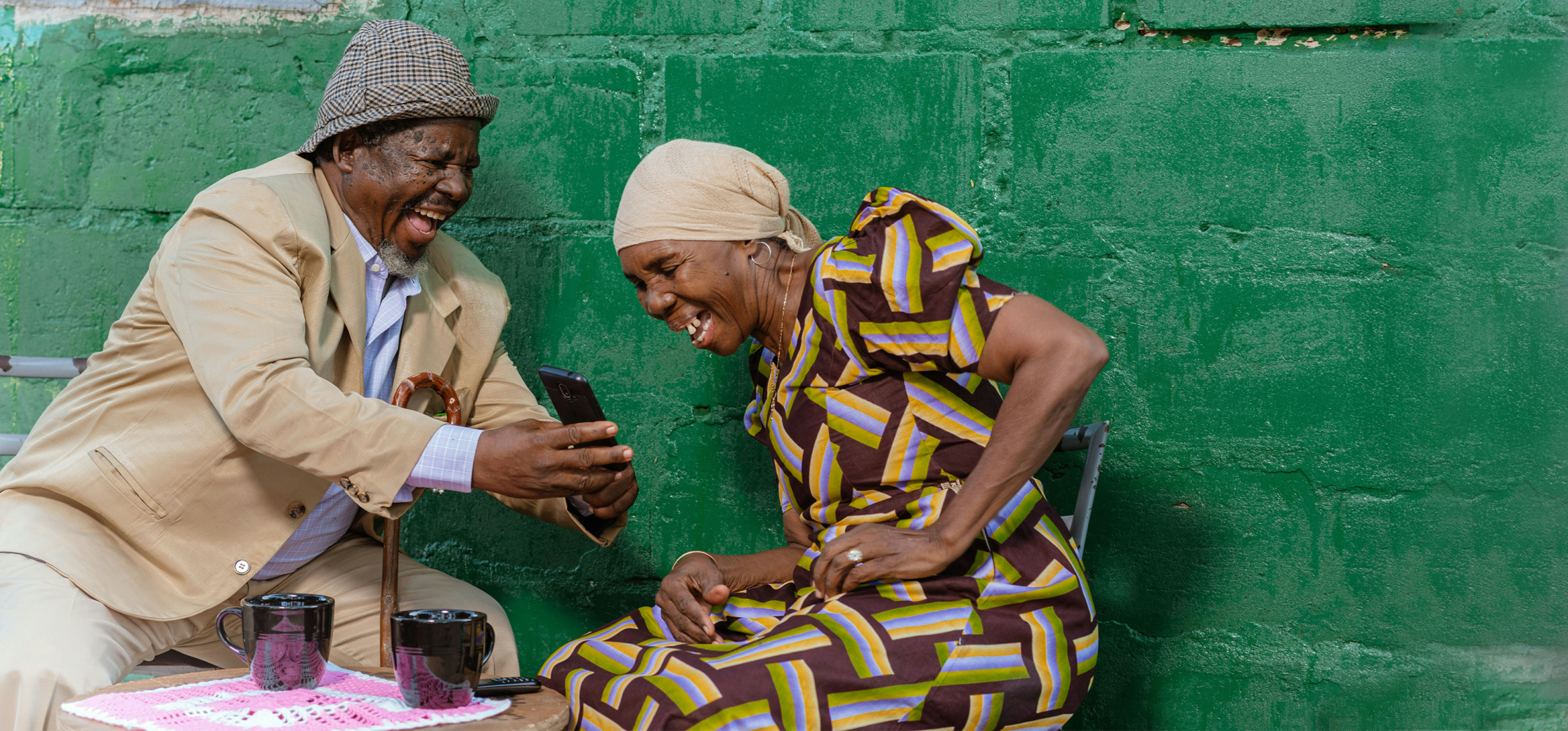
When I first started this newsletter in April 2022, there were hardly any news sources that focused on good news other than Upworthy. But now, there are a lot of places dedicated to sharing uplifting stories of positive solutions and people making a difference, both about climate and in general.
This is so important, because behavioural science research finds that although “doom and gloom messaging is highly effective for stimulating climate change information sharing, like posting on the internet or social media, where negativity reigns… it is the absolute worst for motivating action and among the worst for changing climate change beliefs or support for climate change policies.”
So where can you find these stories? Here are a few places to start. Your to-do this week is to choose at least one of them and follow their content, so you have even more regular positive input to help you build efficacy and create hope.
Positive News offers solutions-focused reporting both online and with a quarterly print magazine. Recent stories include one about a British company aiming to turn energy from foot traffic into electricity, another about teens working together to stop child marriage in Bangladesh, and one about microgrid solar power coming to England.
The Anti-Doom Initiative from Crooked Ideas highlights “the projects already moving towards solving the climate crisis, and those in the pipeline that we need to get over the finish line.” They curate hopeful stories, like this one about the world’s largest wildlife crossing about the open in LA, this regular roundup of the week’s good climate news, and this one on environmental groups calling for a moratorium on new data center construction. I recommend following them on Instagram.
On Instagram you can also find Future Earth, which shares a roundup of good news stories every Tuesday; Alaina Wood, aka The Garbage Queen and the “good climate news lady” who shares uplifting videos, news stories from around the world all while calling for climate action; and Sam Bentley, who narratives videos about good news from around the world every week.
Do you have a favourite source of good climate news? Let me know what it is, and I’ll share an update next week!

Sun April 12 at 11:15am PT – Faith Conversation with Westwood Presbyterian Church in Los Angeles, CA – an in-person watch party of a virtual presentation (livestream tbd)
Weds April 22 at 7pm ET - Earth Week Keynote with Elon University - in person at McKinnon Hall, Moseley Center; open to EU students, faculty, and staff
Thurs April 23 at 5pm ET – Climate solutions at Duke University – in person at Goodson Chapel, Duke Divinity School