

First, an update: two weeks ago I mentioned how balcony solar is growing in popularity and how, even though you can buy it at IKEA in some places, it’s still not legal everywhere. Talking Climate reader Paul wrote in with an update from Minnesota: legislation that would have legalized plug-in solar devices didn’t pass this year, but supporters say it has strong momentum and a re-vote is likely in 2027. If you live in MN or another location where plug-in solar is not yet allowed, this is a great opportunity to use your voice to change that!
Nathan from Oregon, another self-identified balcony solar enthusiast, wrote in with a caution. An electrician and electrical code expert, he emphasized there are still important safety concerns. While new safety standards are in development, plug-in solar cannot be safely connected to electrical systems built to current U.S. standards until certified bi-directional protective devices become available.
Meanwhile, there is encouraging news from the UK, where regulators have just this week concluded that plug-in solar systems can be used safely there. Balcony solar panels are expected to go on sale in the UK within months, with systems ranging from a few hundred to a couple of thousand pounds.
It’s encouraging to see serious thought and progress on how to not only decarbonise our energy systems but make them more affordable and equitable, as well.

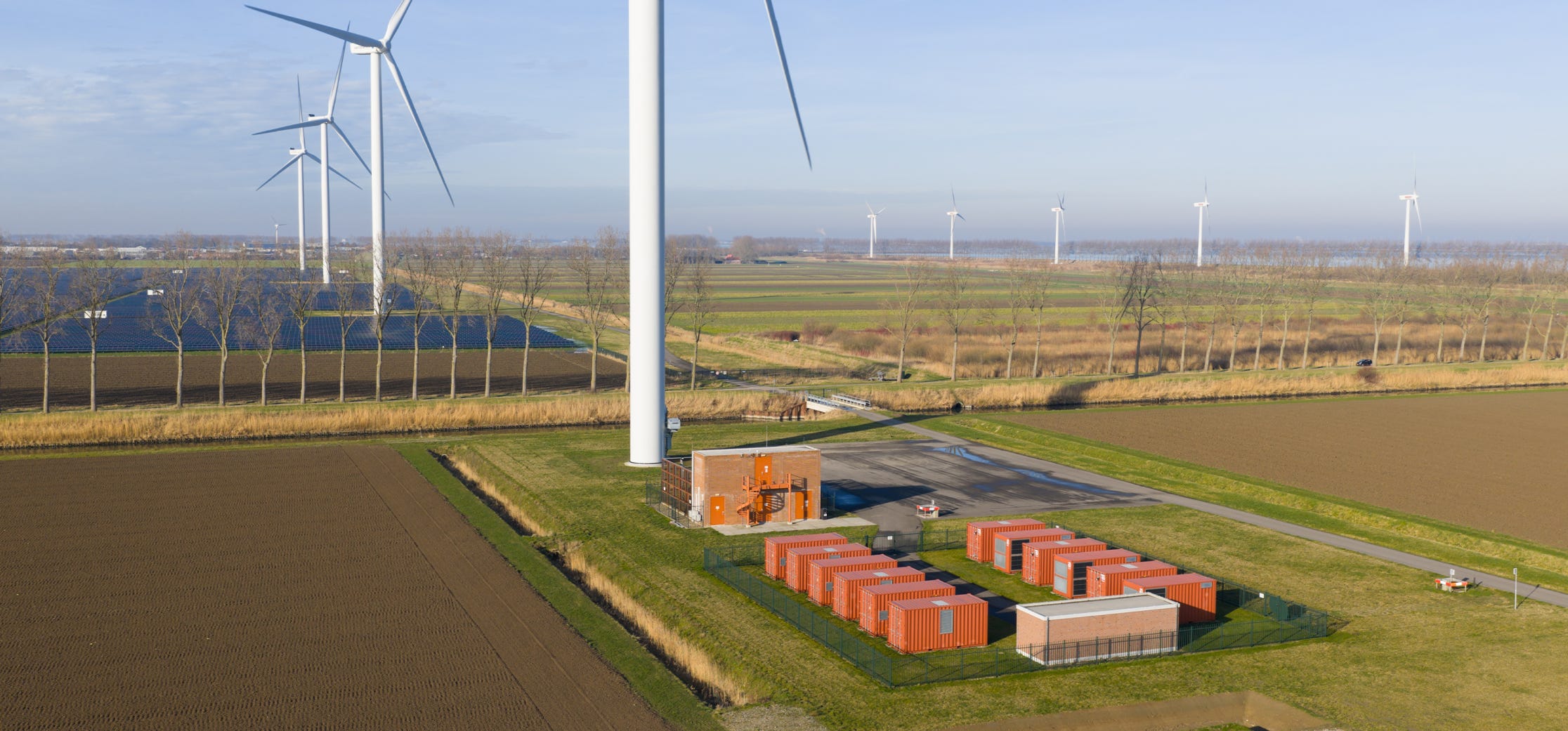
The world hit a major milestone in 2025: 112 gigawatts of new grid battery storage installed across the planet. This represents almost 50 percent growth from 2024, and a tenfold increase from 2021. Half of that capacity was installed in China, and 16 percent in the United States. This year, the world is projected to install even more, 158 gigawatts.
How does grid battery storage work? When the sun is blazing or the wind is blowing, and solar panels or wind turbines are producing more power than we can use, storage banks that electricity instead of wasting it. Then, when we need it most—on a hot evening when everyone gets home and cranks up the AC—it’s right there, ready to go.
Batteries make the grid more reliable and help push energy costs lower. They also replace gas-powered “peaking” plants that would otherwise be flipped on to generate electricity when it’s needed most.
On a per capita basis, though, there’s one country far out in the lead – and it’s not China nor the U.S. It’s Australia! There, “more big battery power has been injected into the grid on a per-capita basis over the past two years than in any other country on the planet,” the Financial Review reports. And individuals are buying in, too. Already, one in every 25 homes in Australia has their own residential storage battery.
Not only that -- starting July 1, New South Wales and Queensland homes with smart meters will get three hours of free power each afternoon. As this Conversation article explains, it’s a bid to shift electricity demand to when it’s most available, and households that are more electrified (with heat pumps, induction stoves, plug-in cars, and other electrical rather than gas-powered appliances) will benefit most.


Times of India journalist and Talking Climate reader Achintyarup Ray wrote in to share his story about the disappearance of several islands in the Hooghly estuary in West Bengal. This is a long, narrow eastern Indian state that borders Bangladesh.
Ray’s story details how the government’s river training project increased erosion of two inhabited islands in Hooghly estuary. Yet a wall that would have protected these three islands from rising seas was proposed in 1981 but never built. Two of the three islands—Lohachara and Bedford—have already become uninhabitable due to a combination of erosion and rising sea levels, and a third island, Ghoramara, has lost 50 percent of its land mass to date and continues to lose 36 metres of shoreline a year.
“The people of Lohachara were among the world’s first climate refugees,“ Ray wrote to me. “The documents establish that this was not purely a natural process — it was shaped by institutional decisions made over decades, followed by institutional denial... Here is a case where something could have been done — the engineers knew, the scientists warned, a wall was designed — and the decision was made not to act.”
Rising sea levels are not the only climate risk India faces. The country is exceptionally vulnerable to dangerous heat exposure. “We estimate that a single day of extreme heat causes approximately 3,400 excess deaths nationally; a five-day heatwave causes nearly 30,000,” the authors of a new study found. They also estimated district-level excess heat deaths, concluding that “Uttar Pradesh alone accounts for approximately 8,100 excess deaths during a five-day heatwave, and districts such as Ahmedabad, Jaipur, and Surat each exceed 250 excess deaths in a single event.”
These findings highlight critical gaps in how societies protect people from climate impacts, and how – once again – they tend to fall disproportionately on those who have done the least to cause the problem in the first place.


Last week, guest editor Jon Foley from Project Drawdown talked about the importance of making smarter investments to build a more sustainable future. While most of us aren’t deciding where billions of dollars get invested, we do make decisions every day about where our own money goes.
If you’re curious where to start, take a look at what you already own. Many people have no idea whether their retirement accounts, mutual funds, or ETFs are invested in fossil fuel companies, clean energy technologies, or something in between.
Thankfully, there are free tools that can help. Fossil Free Funds US and Fossil Free Funds in Canada both give funds a “fossil fuel grade” of A through F. In the UK, Ethical Consumer has ranked over 100 funds based on their sustainability, and Australia’s Market Forces offers a similar analysis. Then, once you have an idea of what grade your portfolio gets, you can take action. Invest Your Values has put together a handy guide as to what form that action can take, depending on who is in control of how your retirement portfolio is invested.
We invest for retirement because we hope for a secure future for ourselves and our families. There’s something powerful about knowing those same investments may also help build a healthier future for us all, don’t you think?