

For many of us, holidays are a time of giving. But generosity isn’t only about what we buy; it’s about what we nurture.
By choosing gifts that reduce waste, support communities, and help restore nature, we can participate in a much bigger story of care and connection. When we give with purpose, we help create the kind of world we all want to celebrate.
So that’s what this week’s edition of Talking Climate is all about!

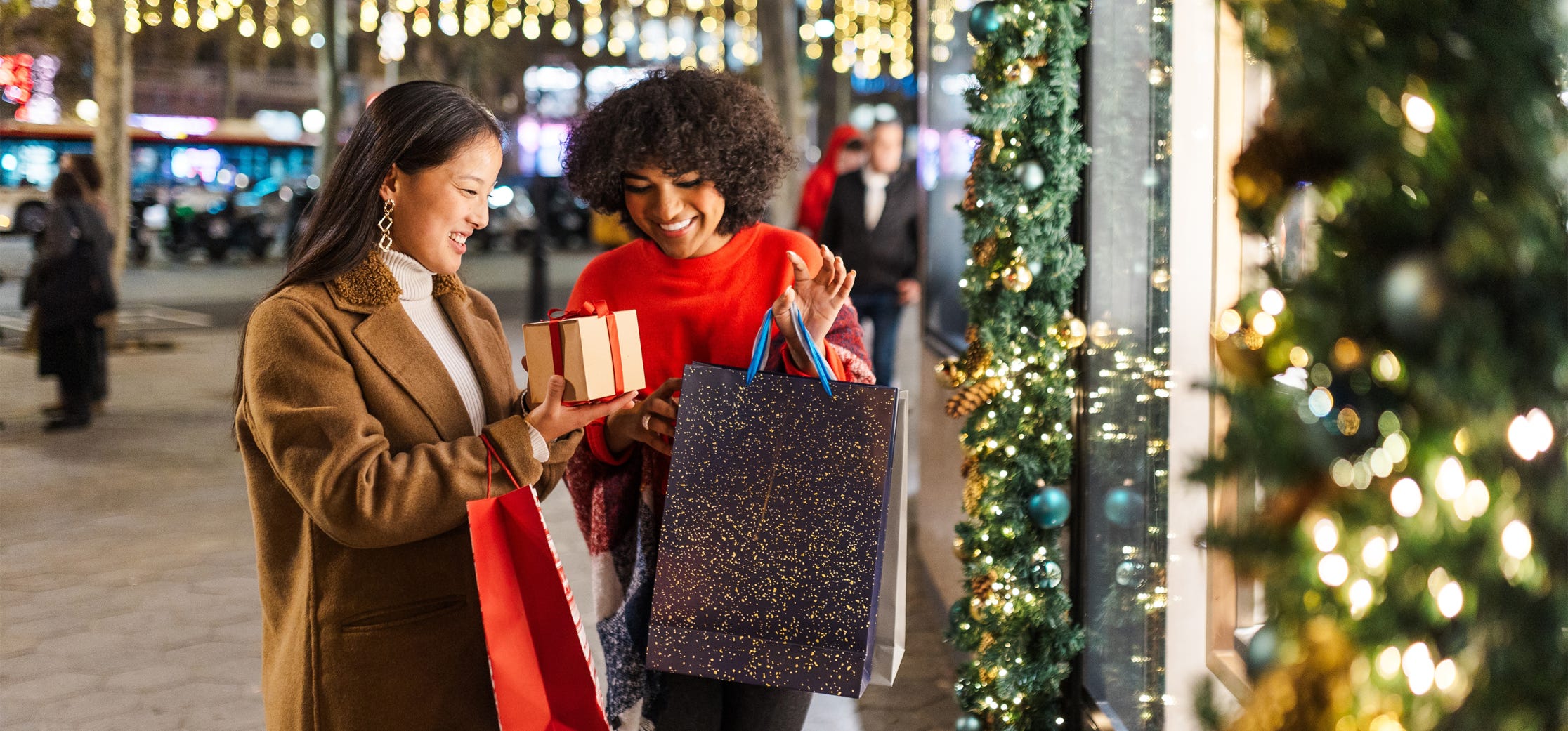
Many companies today claim to be “eco-friendly,” but there is so much greenwashing muddying the waters that it can feel hard to know which brands are genuinely committed to sustainability. Here’s some good news, though: certified B Corporations offer one of the clearest signals we have. They’ve been independently vetted by B Lab and earned certification by meeting rigorous standards for environmental impact, worker treatment, community benefit, and transparency. During a season when many of us are making more purchases than usual, B Corps offer a way to support businesses doing real good.
Love outdoor activities? Patagonia donates its profits to environmental and climate causes, and designs gear built to last. Cotopaxi dedicates at least 1% of revenue to poverty alleviation and investing in fair-labor manufacturing. Athleta prioritizes circular materials and has a mission to empower women and girls. But best of all, (at least in North America) all three companies sell their products used! You can shop “Worn Wear” on the Patagonia site, and pre-loved Cotopaxi and Athleta are both available via a collaboration with ThredUp.
Need everyday clothing, shoes or accessories? Rothy’s turns recycled plastic into stylish, durable shoes and runs a true take-back program for circularity. Allbirds labels the carbon footprint of every product and invests heavily in regenerative and bio-based materials. And Bombas, known for their famously comfortable socks, donates one item for every item purchased to organizations serving people experiencing homelessness.
What about personal care? Natura was the very first publicly listed company to qualify as a B Corp. Today, their brand includes Aesop, Avon, and The Body Shop, and together they use their profits to protect the Amazon rainforest. All Good offers reef-safe sunscreen and body care powered by renewable energy and responsible ingredients. And Dr. Bronner’s emphasizes organic, fair-trade sourcing and investments in regenerative agriculture and climate justice.
Looking for stocking stuffers? Burt’s Bees, a longstanding B Corp member, uses proceeds to support habitat conservation and Blueland’s plastic-free cleaning tablets help reduce household waste.
These are just a few examples of B Corps working to make a difference. You can find the full list of certified B Corps in more than 200 countries here. And if you’d like guidance on spotting greenwashing, this article by Good Good Good is a helpful resource.

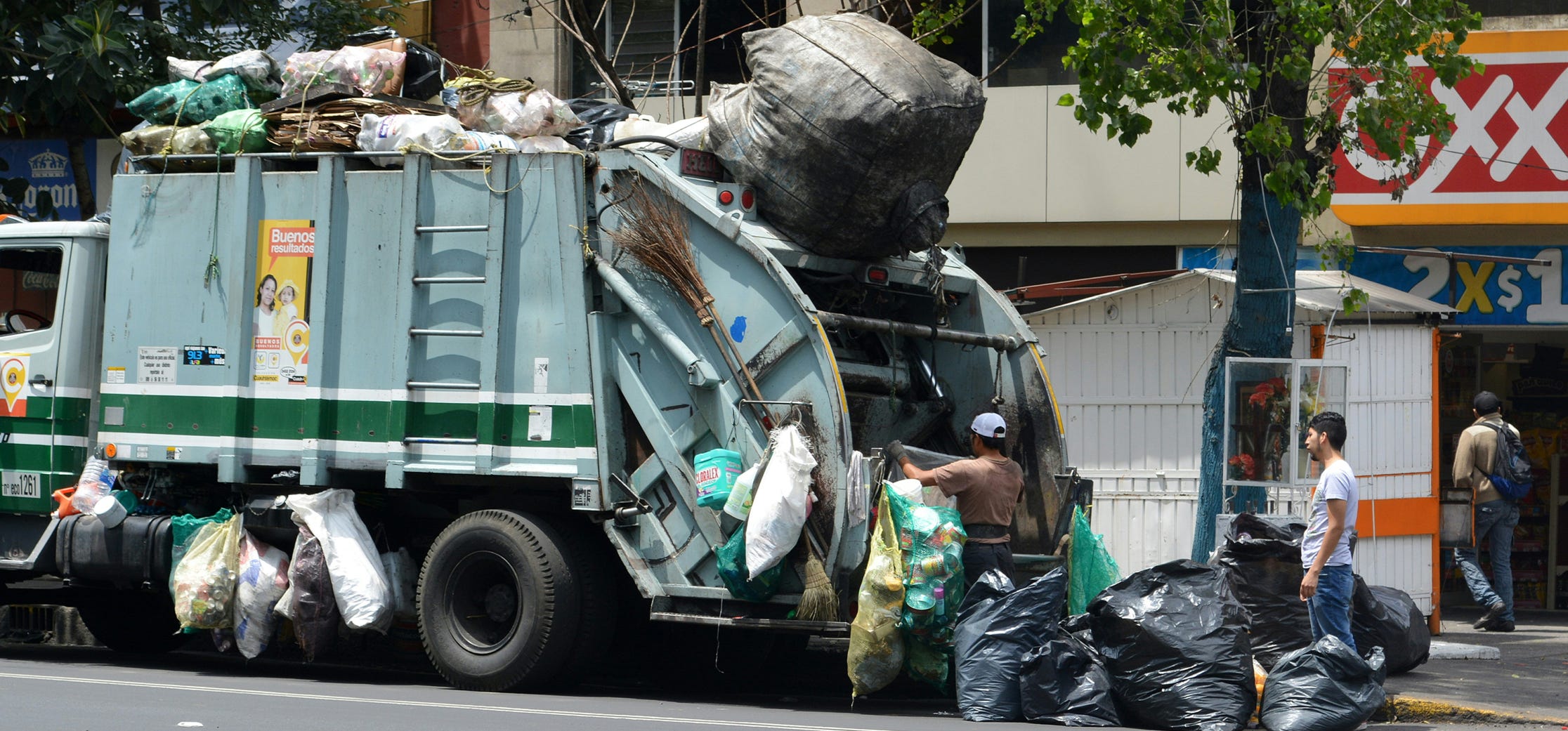
Around the world, the holidays bring joy — and a dramatic spike in consumerism and waste. In the UK, for example, household holiday emissions generate a full 5.5% of the country’s annual emissions. Much of that comes from holiday shopping and packaging: over 100 million rolls of wrapping paper are discarded each Christmas season, much of it unrecyclable due to glitter, foil, and plastic coatings. The UK also discards approximately 8 million real Christmas trees each year, and over 500 tonnes of Christmas lights.
Food waste also rises sharply during the holidays. In Canada, food waste increases by more than 25% at Christmas. In the U.S., the toll is even larger: Americans generate 23% more household waste in December, and on an annual basis, U.S. holiday food waste contributes the equivalent of nearly six million cars’ worth of emissions per year.
Even gifts themselves often go unused. In Australia, more than $1 billion worth of presents are expected to go unused this Christmas, and many of these items will end up in landfill. In the U.S., an estimated $8.3 billion in unwanted gifts are given each year, and in 2019 alone, retailers sent 5 billion pounds of returned products straight to landfills.
If you don’t live in the UK, Australia, Canada, or the US, that doesn’t mean you’re off the hook. Across the world, the conclusion is the same: holidays concentrate a massive amount of consumption into a few short weeks, with consequences that endure long after the decorations come down.

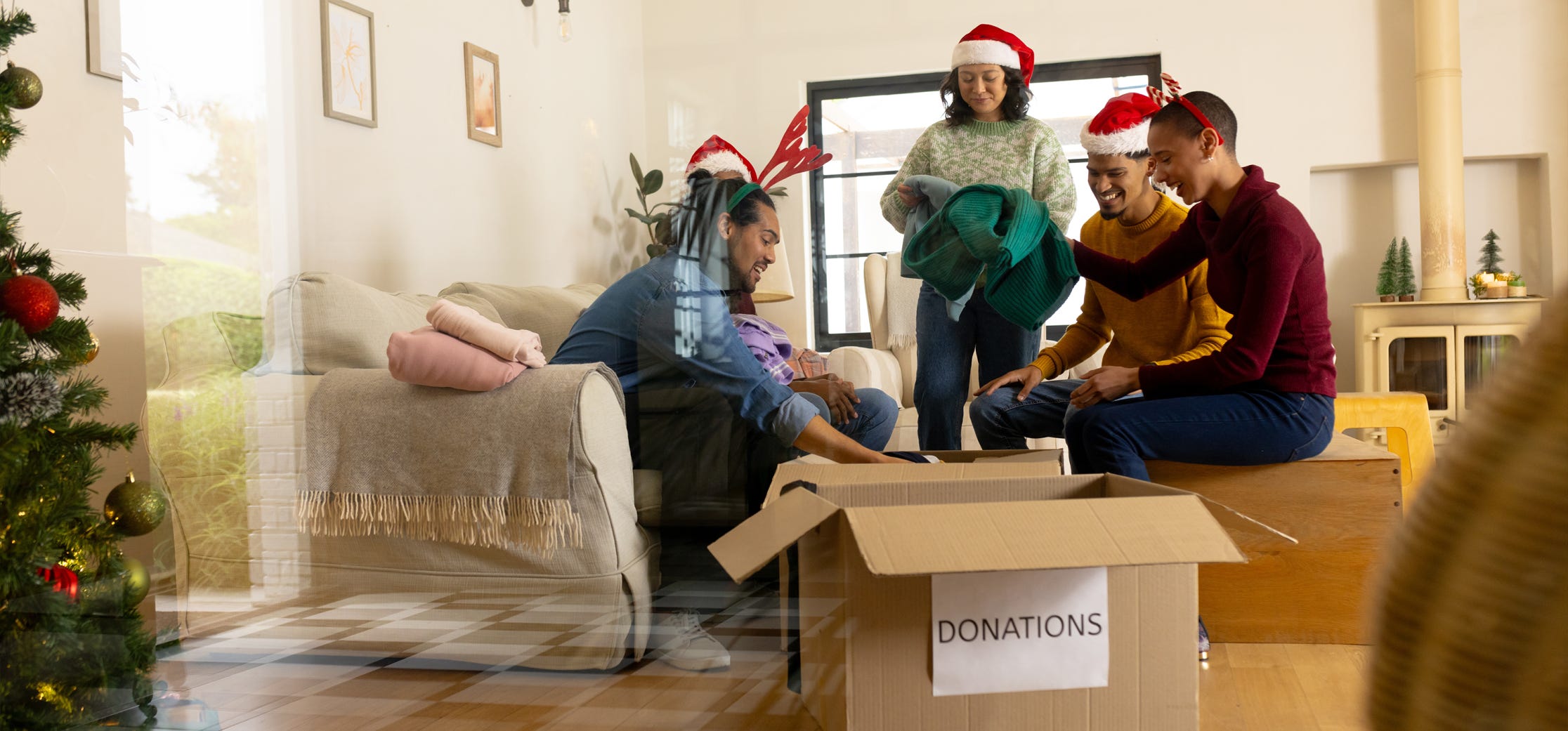
One simple way to avoid the waste I’ve described above is by rethinking holiday gifting. Rather than buying a new product, could you share something you found in a local thrift shop or online resale site? Could you make something – a food item or a handmade gift or a certificate the recipient can redeem for a future offer – rather than buying it? What about an experience you plan for them?
I often buy presents from ThredUp for my sisters and friends, and electronic gifts such as Audible books or master class subscriptions for my parents. (On that note, did you know you can gift a paid Talking Climate subscription to access my video series?)
I love knitting gifts and making photo albums for family members -- and I love receiving the hand-made body products my cousin Anita crafts. And instead of buying all my nieces and nephews presents, every Christmas I take them out for a special experience instead. This year, it’s a magic improv comedy show and dinner at a food hall.
Talking Climate reader Anna wrote in to share an enduring family tradition that made me smile. “Each Christmas we gave our babies a ‘toy from the loft’ (attic!) that had been mine or my husband’s when we were young. We thought we’d stop when they were old enough to understand, but they loved the idea! Even now as teenagers they still demand a ‘toy from the loft’.”
We can also give gifts that make a difference to others. Even though food waste is one of the largest contributors to climate change, we still have a global hunger crisis. If you’re able, consider supporting World Food Programme or Action Against Hunger. At Heifer International, you can gift a goat, chicken, or bees to ensure a family can continue to feed themselves. (One year, I brought the HI catalogue to the outing with my nieces and nephews and let them all decide how to spend the budget I’d allocated. They had a lot of fun!) And don’t forget about your local food bank, which provides essential support to families right in your community.
For climate relief, GiveDirectly offers direct cash transfers that help families recover from climate disasters, while the International Federation of Red Cross and Red Crescent Societies provides on-the-ground emergency response in extreme heat, storms, and floods.
And don’t forget about nature: a $10 donation to The Nature Conservancy’s Plant A Billion Trees campaign will help plant 5 trees across the globe, from mangroves in coastal Kenya to agroforestry in Mexico’s Mesoamerican Forest. You’ll get a certificate you can give as a gift, as well.
The bottom line is that there’s no one “right” way to give -- and the best part of rethinking gifting is how good it can make us feel. What matters is finding the choices, big or small, that bring joy and let us show our love in ways that feel satisfying, meaningful, and fully aligned with the kind of future we want to help build.