


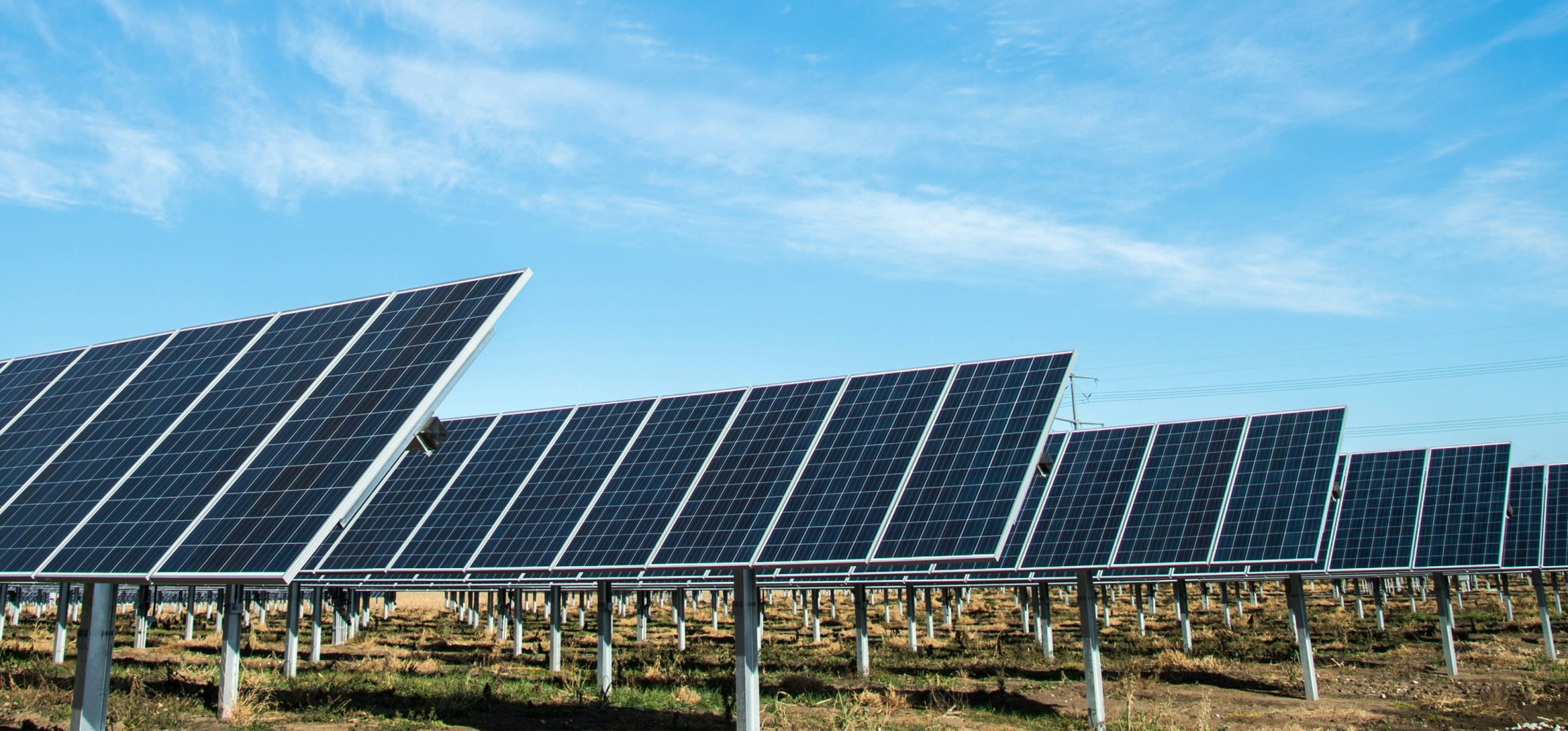
Europe endured a succession of scorching heat waves this summer, spiking electricity demand across the grid. So how did the grid hold up? Well, thanks to solar production and battery storage!
Nuclear, coal, and gas-fired plants are all very vulnerable to heat and drought because they require cooling water. Lack of adequate cooling forced shutdowns like those at the Beznau nuclear plant in Switzerland. But solar over-performed in these same conditions, closing the gap and providing 25 percent of power generation across the EU in June and July. Battery systems stored that energy and delivered it to the grid after sundown, when demand was still high. “Battery storage is one of the clearest ways to make Europe’s power system more resilient in hotter summers,” said Dr. Chris Rosslowe, a senior energy analyst at Ember.
No single kind of renewable energy can carry a grid through a summer like this one. They all perform differently under different conditions, which is why we need a mix of sources and storage. And increasingly, we have them.


A few weeks ago I wrote about how the number of heat stress days on this planet is growing. Now, another new study has found that nearly half the children under ten on this planet are now living through at least twenty days a year of dangerous heat attributable to climate change. The countries with the youngest populations are in south Asia, southeast Asia, and west Africa, where humid heat is already at its worst.
Why does this matter? Children’s bodies heat up faster than ours, they sweat less efficiently, and they depend on adults for many of their needs. “Poverty, inadequate housing, limited access to cooling, and overstretched healthcare systems leave many children with few ways to protect themselves from the heat,” said Rosa Pietroiusti, the study’s lead author.
As I’ve written before, when people across the world are asked why they care about climate change, the number one answer is love for the next generation. This new study offers even more reason to care, and act.

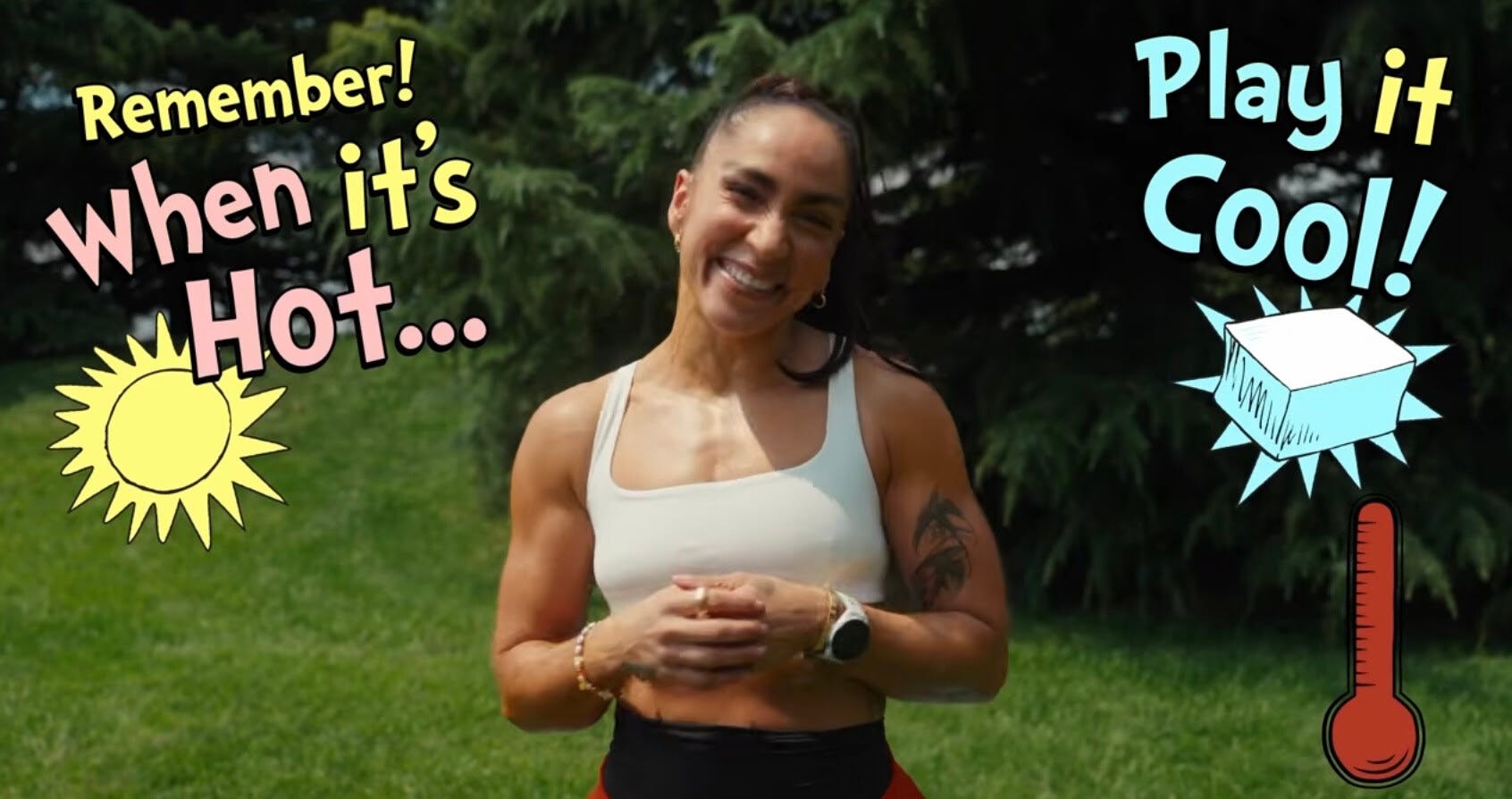
With more children facing dangerous heat, we need to do things differently on the fields and courts where kids play sports.
My friend and Talking Climate Collaborative founding teammate Laura Schifter helped launch Play It Cool after seeing heat illness affect young athletes firsthand—including her own children and players she coached. She realized that, despite all the safety training coaches receive, many parents and coaches still don’t know how to recognize or respond to heat illness.
Play It Cool is trying to change that with three simple actions:
Speak Up: Teach kids to tell an adult if they feel sick, notice symptoms in a teammate, or think the heat is becoming unsafe.
Sit Out: Taking a break is a sign of strength.
Cool Down: Get somewhere cooler, remove extra equipment, and start cooling down immediately if someone shows signs of heat illness.
Laura’s hope is that “Speak Up, Sit Out, Cool Down” becomes as familiar to this generation as “Stop, Drop, and Roll” is to ours. So this week, memorize those three steps and share them with a parent, coach, teacher, or young athlete in your life.
For more, check out the Play It Cool playlist on YouTube.

What happens when a climate scientist reads the comments? I take on some of the internet’s favorite myths about extreme heat.
Watch the preview or upgrade your subscription here on Substack to unlock the full video.