


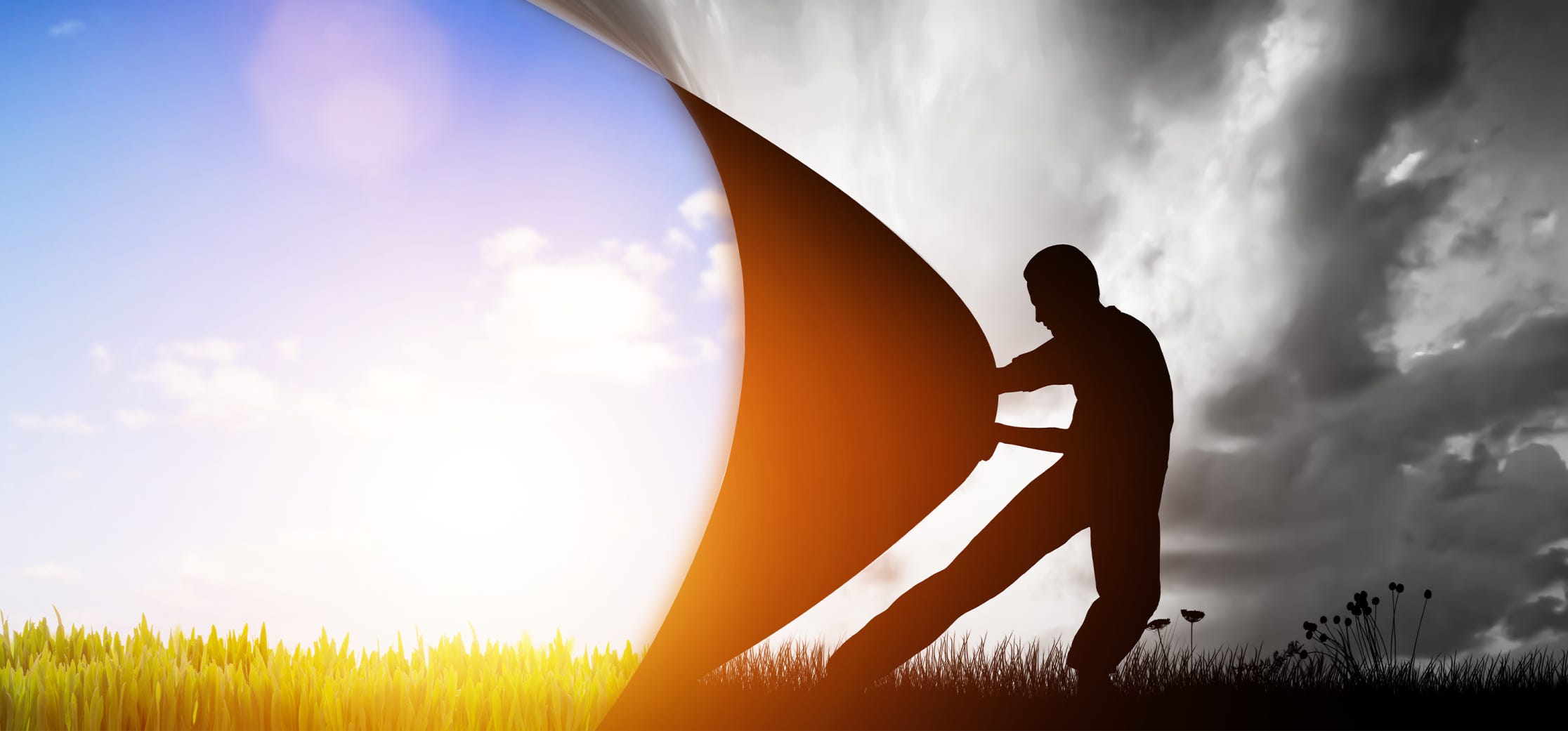
If you’re a regular Talking Climate reader, you know I often talk about how doomerism is not an effective strategy to catalyze action. Although negative news may get more clicks, the social science is clear: focusing exclusively on negative news makes us think there’s nothing we can do. We check out, or even give up.
This is why I always sandwich the “not so good” news between the good news and what you can do, in this newsletter. But a new study shows there is more we can do!
Researchers Tyler Shores, Rachel O’Boyle, and Sander van der Linden from the University of Cambridge showed people a short “prebunking” video before they scrolled through negative climate headlines. Those who watched it became better at spotting climate doom—news that either implies or outright claims there’s nothing we can do about climate change—and were more likely to flag it, dislike it, and share it less.
The takeaway is encouraging: people can learn to recognize messages that falsely suggest nothing can be done, without becoming more skeptical of accurate climate news (which is, honestly, quite bad enough). At a moment when hopelessness can spread as quickly as misinformation, this new study offers a powerful way to keep people informed, engaged, and ready to act.


As the summer of extremes continues (record-breaking wildfires in Belgium and Greece, this week), I often think about the fact that nearly 40% of the area burned by wildfires across western North America between 1986 and 2021 can be traced to just 88 companies’ emissions. Another attribution study found that emissions from major fossil fuel companies contributed to “about half of the increase in intensity of heatwaves since preindustrial times, and that this contribution is rising.”
So as growing heat and wildfire damage our health and our livelihoods and cause hundreds of billions of dollars in damage every year, what are those companies doing? Burning more fossil fuels, of course! And making an absolute ton of money doing so.
A new study from Oxfam projects that BP, Chevron, Eni, ExxonMobil, Shell, and TotalEnergies will earn a combined $45 billion in the second quarter of 2026—nearly twice the previous quarter. And they aren’t ramping back, either. They collectively plan to increase production by 14% by 2030.
There is a staggeringly obvious solution to this massive inequity, where the richest companies make more money while the communities least responsible bear the brunt of the impacts (apart from the most obvious, of course: transitioning away from fossil fuels entirely). Why not tax these record profits and use the money to help communities prepare for extreme heat and recover from climate disasters and transition to clean energy so they don’t need to use fossil fuels?
It is only fair and just that the companies fueling the crisis should help pay for the damage they are creating—not the families suffering its worst effects. But making polluters pay isn’t easy. It will take sustained public pressure. Thankfully, the next section shows where to start.

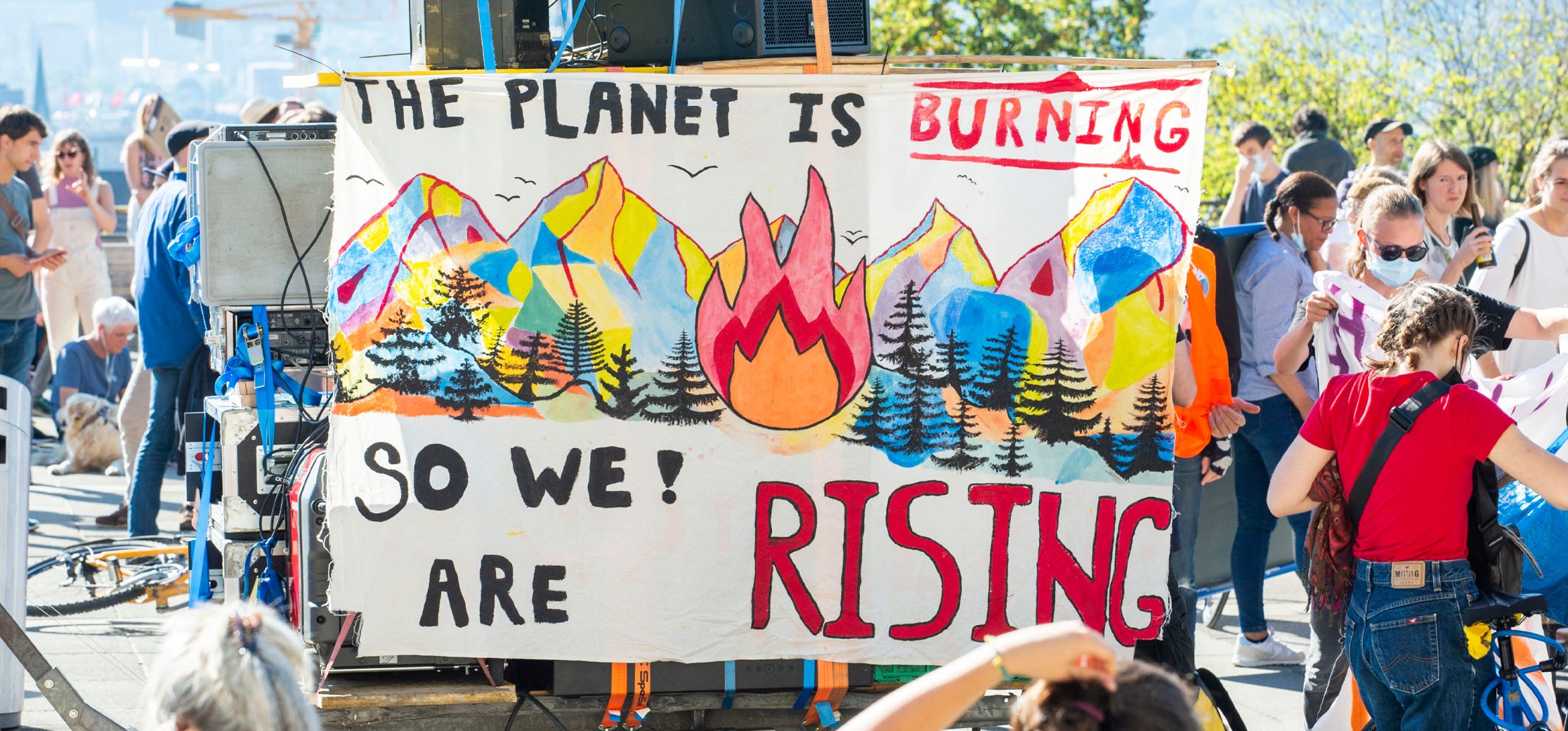
Use your voice. Talk about the unfairness at the heart of this story: a handful of companies earning billions, while ordinary families pay for those profits through higher bills, damaged homes, lost work, and worsening health. Most people have never heard that connection made out loud, and that silence is exactly what lets it continue.
You don’t have to be a scientist or a policy expert to say something. You just have to be willing to say that this isn’t right—to your friends, your family, your elected officials, anyone who’ll listen. That’s how a private frustration becomes public pressure. As Jim’s newsletter showed last week, public pressure really can make a difference.
Governments have the power to shift the cost back onto polluters. As citizens, it’s our responsibility to make it politically impossible for them to ignore. Show them that their constituents care – not only by voting, but also by calling, writing, and emailing them. I even partnered with artist Lauren James to make free mail-able coloring book pages that offer a creative way to get kids involved.
We can’t do this alone—but I’m convinced we can do it together, and using our voice is an action every one of us can take.
History and a knowledge of the Bible show it's always dark before dawn.