
Listen to this edition of Talking Climate on your favorite podcasting platform. New episodes available each week.
Talking Climate has been narrated by voice actor Anne Cloud from Voice Over for the Planet since spring 2025. Today, I am proud to introduce producer John Crowley from Loudmouth Studio to the team. Don’t forget to rate and subscribe!

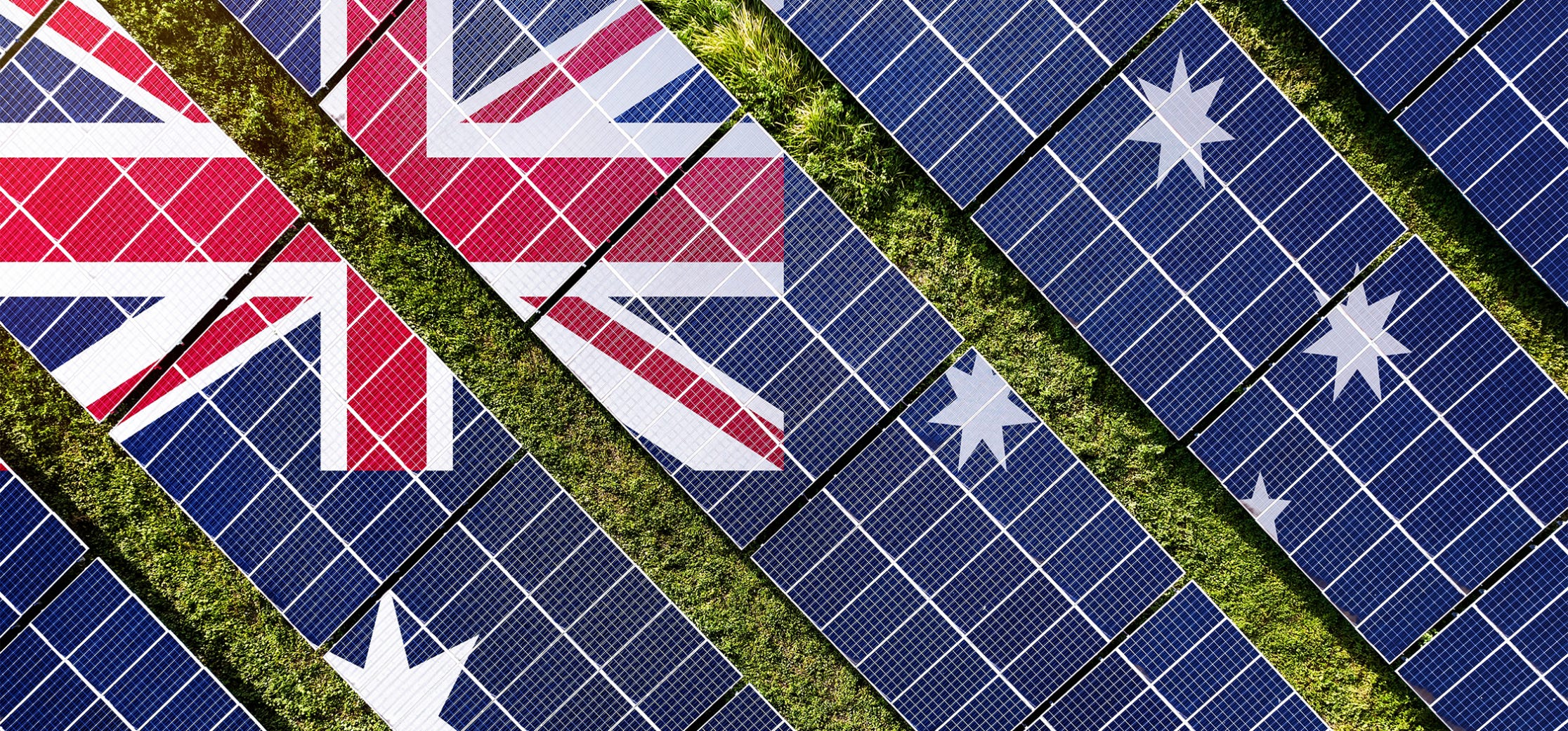
Who wouldn’t want three hours of free electricity a day? Now, many residents of the Australian states of Queensland, New South Wales and South Australia have the opportunity to receive this under a government-backed program called Solar Sharer. (And, starting in October, residents of Victoria will be able to access a similar program called Midday Power Saver).
You don’t even need solar panels on your own roof to benefit! The free window runs from 11am to 2pm (noon to 3pm in South Australia) and will be capped at 24 kWh a day. (Sustainability nonprofit Renew estimates most households consume between 10 and 20 kWh a day.) You’ll need a smart meter to sign up, which most energy retailers will install for free if you don’t already have one.
The catch is that this plan will not automatically be the cheapest one overall, since retailers may charge more outside the free window to balance it out. Consumer advocates say the real savings come from actively shifting usage into that midday window—running the dishwasher, doing laundry, or charging an EV or batteries—rather than just signing up and hoping for the best.
“People who are able to move electricity use into the zero-cost power period will benefit directly, and the more people take up the offer and move their use, the greater the system benefits that lower costs for all electricity users will be,” said Australia’s Energy Minister Chris Bowen.

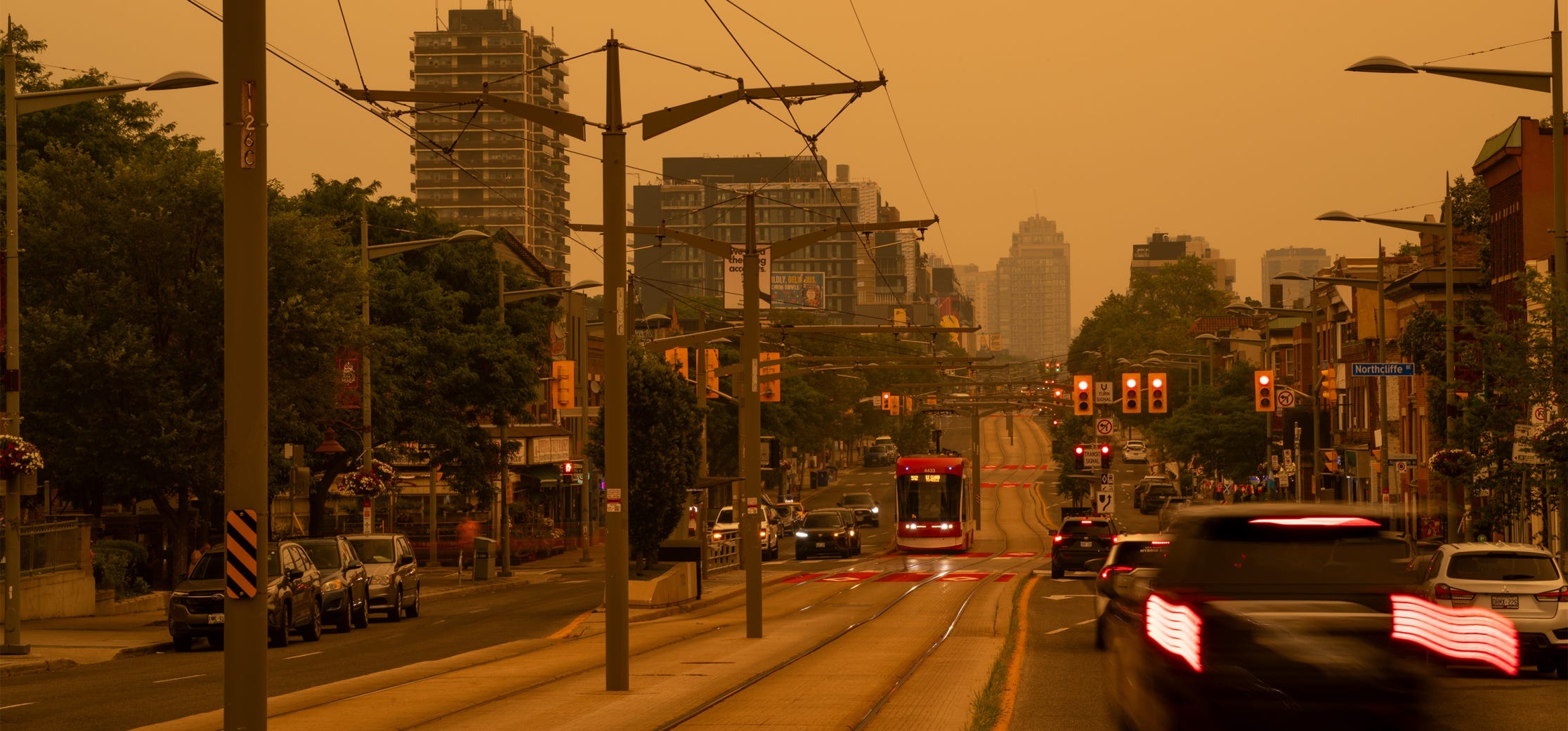
There are nearly 900 wildfires burning across Canada right now, and our air in southern Ontario was choked with smoke the last week...which then migrated southwards. Last Wednesday, Toronto’s air quality was ranked the worst among major cities in the world, and shortly afterwards, smoke from these fires swept across the Great Lakes region, Upper Midwest, and eastern United States. If you haven’t seen Copernicus ECMWF‘s stunning animation of wildfire smoke yet, you can find it here.
These fires are devastating, and they’re getting even worse as extreme heat dries out the trees and vegetation. One fire near Armstrong, Ontario surrounded a locomotive cab, but the crew escaped safely. About two dozen members of the nearby Namaygoosisagagun First Nation community escaped in boats just before their entire town burned to the ground. Three other First Nation communities in northern Ontario were also ordered to evacuate. Spain has just experienced its worst wildfire of the year, following June’s record-breaking heatwave.
Scientific studies—including some of my own research—have long warned that continued fossil fuel emissions will make future wildfire seasons increasingly severe: and these emissions are the number one factor driving global warming. Nearly 40% of the area burned across western U.S. and Canada has been attributed to emissions from just 88 fossil fuel companies. Yet a number of U.S. politicians including the president blamed Canada for the smoke: this, despite the fact that two of the top three companies are U.S.-based, and nationally U.S. cumulative carbon emissions are 12 times greater than Canadian emissions.
Canada isn’t blameless either, though. Last month, Canada’s federal government moved forward on a planned pipeline that will carry one million barrels of oil a day from Alberta’s tar sands to the Pacific coast for export to Asia. A modelling analysis by an Alberta-based bank and energy research firm claims this pipeline could boost GDP by up to $31 billion per year over the next decade. Yet a new study by the Canadian Climate Institute / Institut climatique du Canada finds that wildfire smoke has already been costing Canadians an average of $23 billion per year in health costs alone over the last decade -- and that’s before counting insured losses or economic and trade impacts. That number is only going to rise. The math just doesn’t add up.
“Continuing to expand fossil fuel production when Canadians are already living with climate chaos is simply dangerous,” said Caroline Brouillette of Climate Action Network Canada. She urged the Canadian government to instead spend money on developing clean-energy projects that support workers and position the country for a world moving fast toward renewable energy rather than on another divisive, expensive pipeline.
This is why our voices and our votes matter. These choices are made by people we elect, who respond to pressure from every direction, including from us.

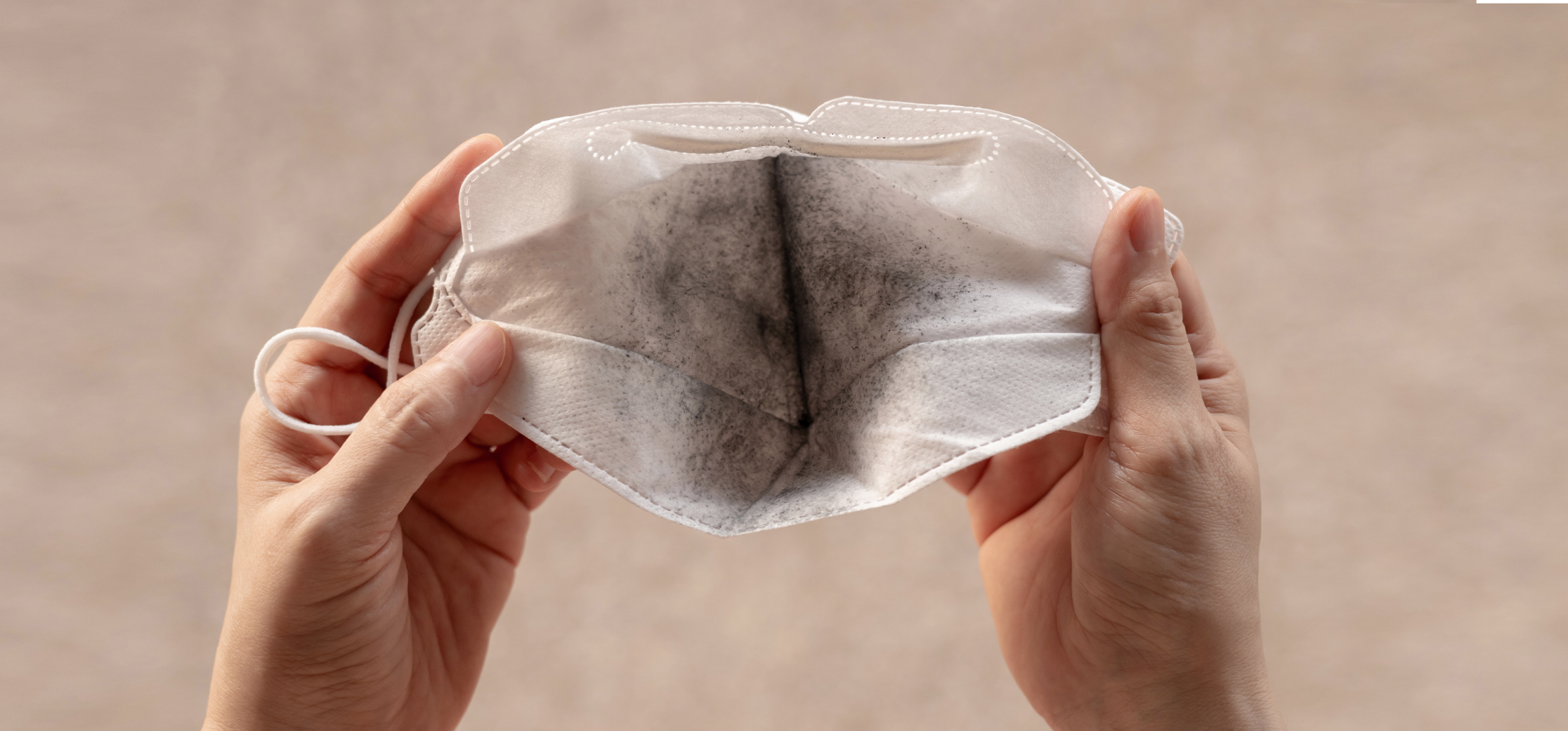
Wildfire smoke is one of the most dangerous types of air pollution there is. Thanks to the large particles it contains, it’s been shown to increase the risks of heart attacks, strokes, asthma attacks, and much more.
What can we do to keep ourselves and our families safe from wildfire smoke? That’s the question I’ve been asking myself this week. Here’s the advice I am following:
Stay inside as much as possible.
Keep the doors and windows closed (yes, even if you don’t have AC) and seal any gaps that air can come in through.
Don’t do any intensive work or exercise outdoors if you can help it.
If you do need to go outside, wear a mask that filters particulates, ideally an N95.
Indoors, filter your air.
Air purifiers don’t have to be costly - as scientists at the University of Minnesota have shown, this handy DIY version performs as well as expensive units. You can also make sure you have a high-quality HEPA filter on your HVAC system or an air purifier, especially one that uses activated carbon to remove larger particles from wildfire smoke.
To ensure you’re prepared, monitor local air quality and keep track of fires that are close to you. You can check local air quality here for Canada, the US, the EU and Australia, and this map shows wildfire smoke forecasts across North America.
And finally, understand how much risk smoke poses to you personally and to those you care about. High-risk groups include children, older adults, pregnant women, and people with chronic health conditions such as respiratory disease, cardiovascular disease, or diabetes. If this list includes anyone you know, check in with them this week and make sure they’re prepared too.