


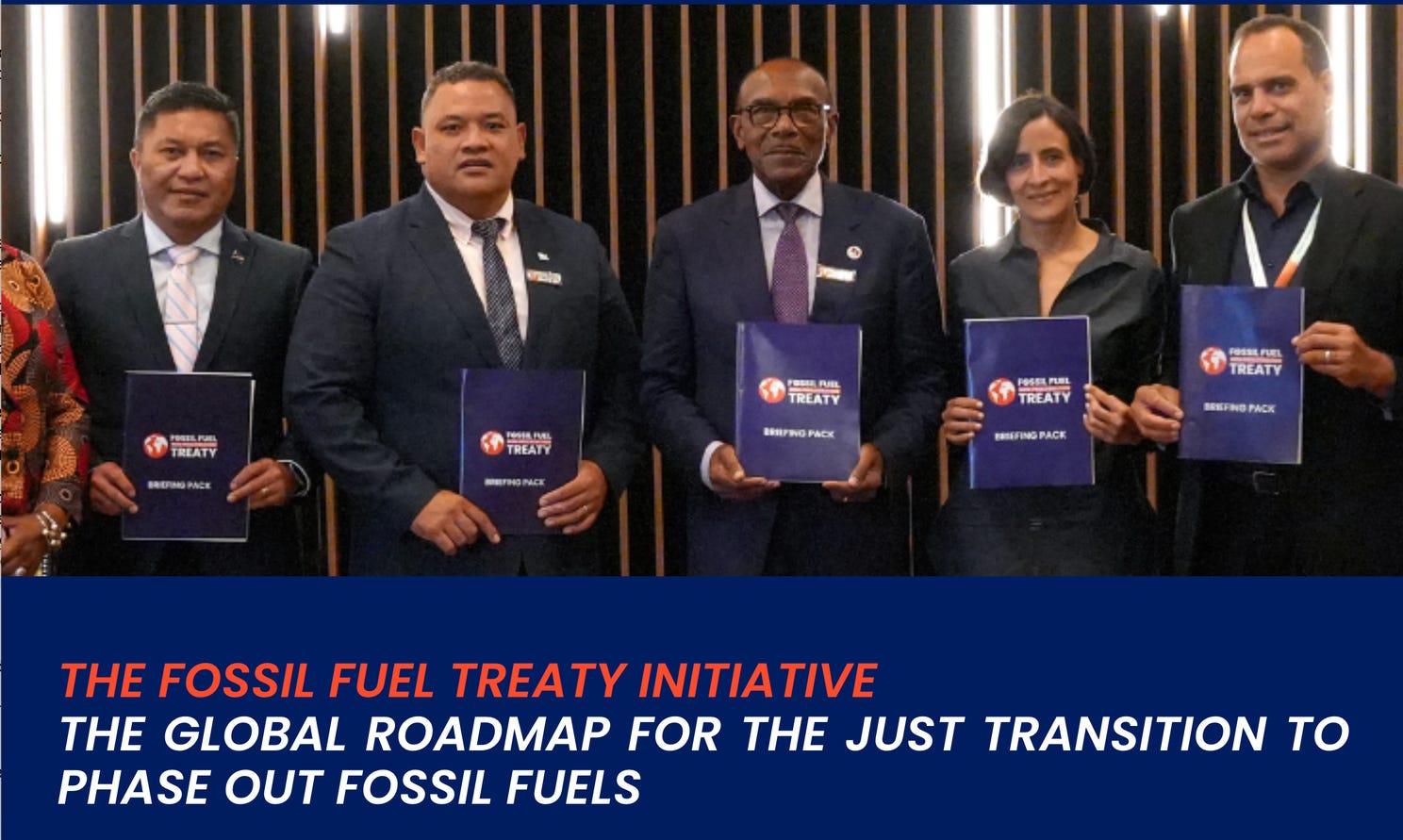
In late April, in the coastal city of Santa Marta, Colombia, something remarkable happened. Representatives from 57 countries from across the globe gathered for the first-ever conference dedicated to transitioning away from fossil fuels.
After three decades of UN climate negotiations and still-rising emissions, many countries have had enough. And I do not blame them. Many of us feel the same. So as COP30 in Belem wrapped up last November, Colombia and the Netherlands announced they were co-hosting this new conference to provide a kind of practical reckoning: what does leaving fossil fuels behind actually look like, and how do we collectively get there?
The conference was inspired by the Fossil Fuel Treaty, a concept developed by my fellow Canadian and lifetime climate advocate, Tzeporah Berman. She explains it here so perfectly, you’ll wonder why everyone doesn’t see it as a no-brainer!
“We decided not to resign ourselves to an economy built on the destruction of life. The transition away from fossil fuels could no longer remain a slogan but must become a concrete, political and collective endeavour,” said Irene Vélez Torres, Colombia’s environment minister who chaired the talks. “When people look back on us from the future, they will remember whether or not we rose to the challenge of our time.”
The countries who showed up represent over half of global GDP, roughly one-third of energy demand, and about 20% of fossil fuel supply. They describe themselves as the “coalition of the willing” and all pledged to develop voluntary roadmaps for drawing down their fossil fuel use.
Next year’s conference will take place in Tuvalu co-hosted by Ireland, and participating countries have been asked to have drafted their roadmaps by then. Stay tuned!

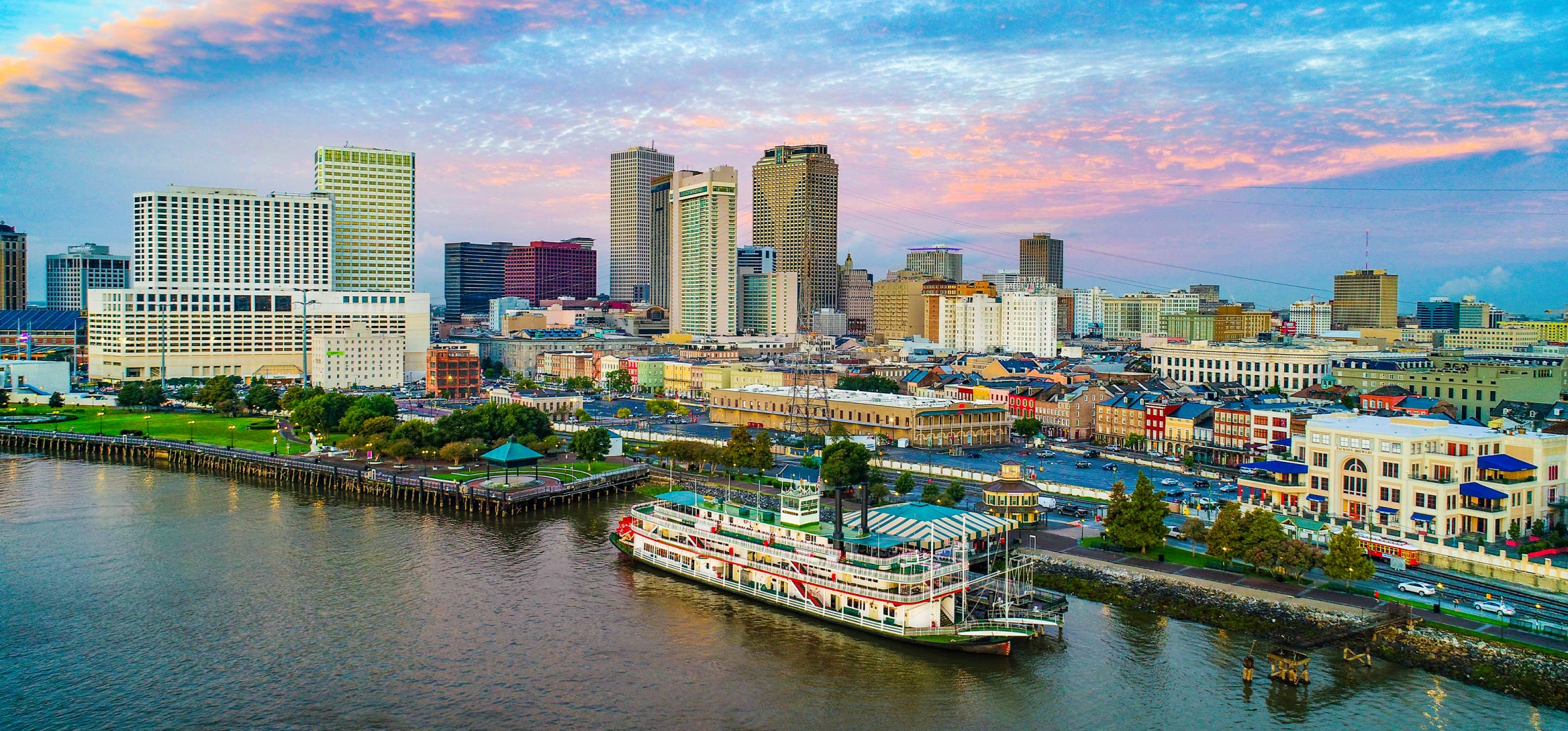
By the end of the century, the sea could swallow up much of coastal Louisiana and surround the city of New Orleans, a stark new study finds.
The study, which describes coastal Louisiana as the “most physically vulnerable coastal zone in the world,” calculates that a shoreline migration of 100 kilometers inland in southeastern Louisiana is “probably locked in” due to sea level rise, coastal erosion, wetland loss, and land subsidence. New Orleans—protected by its levee system—would become “a highly exposed island in the Gulf of Mexico.”
The authors also emphasize that coastal restoration projects (like the Mid-Barataria Sediment Diversion Project, which was halted by Louisiana Governor Jeff Landry last year) will be key to buy time. What the researchers are calling for is not panic, but planning—an organized, equitable process that works with nature to restore coastlines while helping communities move to higher ground before the migration falls hardest on those with the fewest options.
“We have to get serious about planning for our future right now,” said Tulane geologist Torbjörn Törnqvist, a co-author of the study. “We have to face the reality, and that is this city has an end date.”

One organization helping Louisiana restore its coastline and stave off migration is Glass Half Full. The company was started by two Tulane students in 2020 who were annoyed they were unable to recycle glass in the city of New Orleans. They started collecting glass themselves, first sorting and storing it in a backyard before moving into a local warehouse. Fast forward six years and today they have a commercial facility on a 3-acre site in St. Bernard Parish.
To date, Glass Half Full has turned some 13 million pounds of glass into sand and gravel that is both used in coastal restoration work and available for purchase. Earlier this year, they participated in a free glass recycling pilot program for businesses in New Orleans’ French Quarter. And this week, Glass Half Full co-founder Franziska Trautmann addressed the not-so-good news study I talked about above, saying, “Honestly… we’re mad. Doom and gloom gets us nowhere.”
Organizations like these are creative, community-driven solutions that may seem small on their own, yet together form an essential part of the broader transition toward a more sustainable and resilient future. To learn more about Glass Half Full and its nonprofit partner Glassroots, you can follow Glassroots and Glass Half Full on Instagram. And if you’re local to Louisiana, Glassroots has a number of volunteer opportunities you can check out here!
Know of organizations doing good climate work in your community? Let me know about them!

Tues May 19 at 7pm ET BST - Talking Climate in the Age of Disinformation! Action Party with Climate Action Now; online, free
Wed June 17 6 at 5:30pm BST - The Financial Times Climate & Impact Summit - in person, London; in-person and virtual; prices vary