


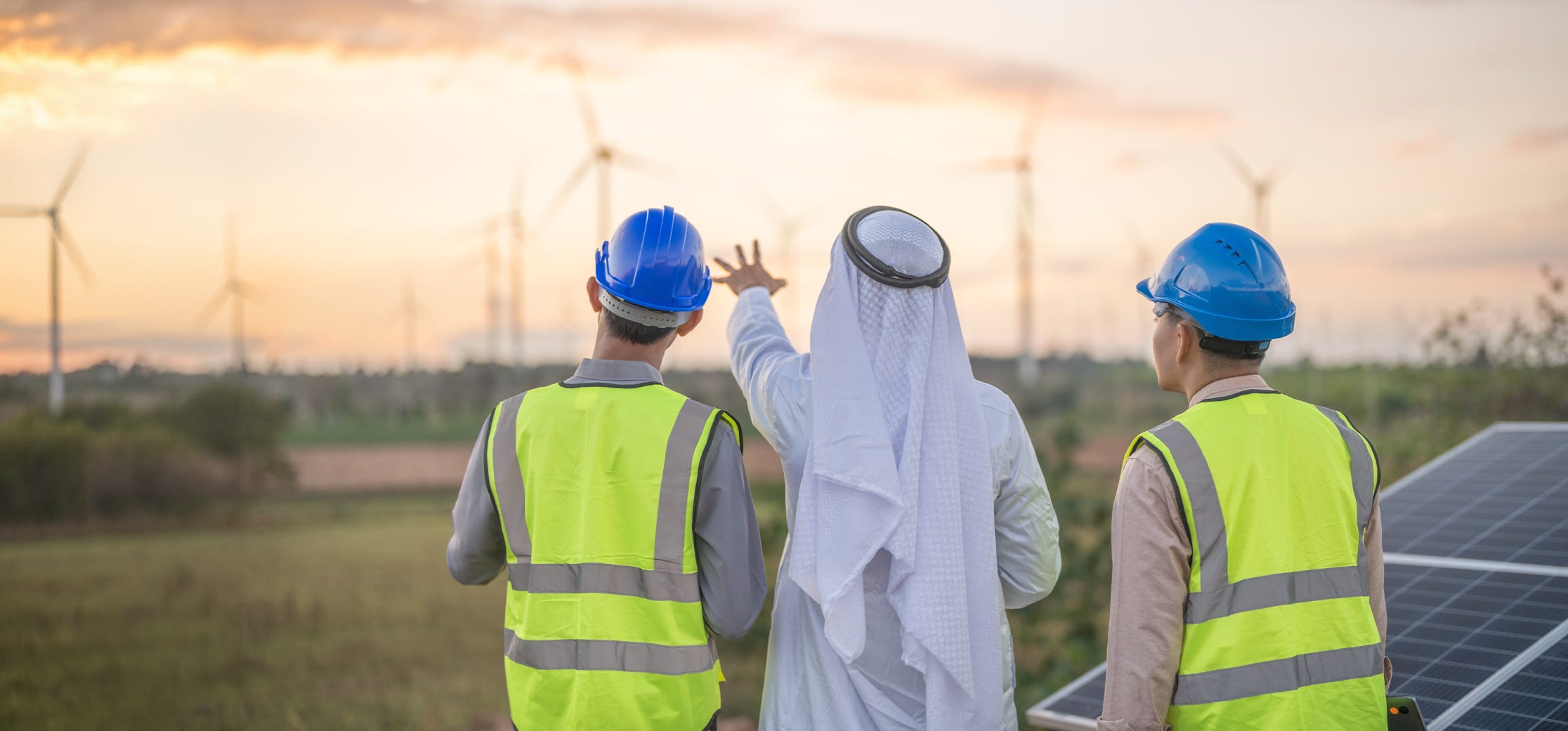
Last year, global investment in the clean energy transition hit a record $2.3 trillion. That’s up a full 8% from 2024, according to BloombergNEF’s latest annual report. Electric vehicles and charging infrastructure led the way at $893 billion, up 21% from the year before. Renewable investment added $690 billion. Grid investment, $483 billion.
And for the second consecutive year, clean energy investment outpaced fossil fuel investment, with the gap between them widening. Even in the US, where federal policy has been working against the transition, investment still rose 3.5%. The market is moving forward—with or without policy.
Is it enough? Not yet. A few years ago, growth was faster—in 2021, these investments grew by 27% year on year, compared to 8% this past year. Growth needs to accelerate, not coast. But here’s what this report tells us:
The transition is real, it’s resilient, and it’s happening despite political tailwinds. BloombergNEF forecasts that average annual investment in the global energy transition will hit $2.9 trillion yearly by 2031. Simply put, the energy transition is at hand.

Climate change may be making antibiotics less effective.
New research suggests that warming temperatures and drought could be quietly fueling antibiotic resistance in the soil beneath our feet. In one long-term experiment, soils warmed by just a few degrees showed about a 25% increase in antibiotic resistance genes over time.
How does soil connect to the medicines we rely on? As soils heat up, microbes adapt to survive, and resistance traits can spread alongside those advantages. Add drought, and the effect can intensify. As water disappears, antibiotics become more concentrated, killing off weaker bacteria and giving resistant strains room to thrive.
That matters because antibiotic resistance makes infections harder—or sometimes impossible—to treat. Illnesses we think of as routine can become dangerous, linger longer, or require stronger drugs with more side effects. Even modern medicine depends on antibiotics to keep procedures like C-sections, chemotherapy, and transplants safe.
This is one more way climate change is reshaping the systems we depend on in ways we’re only beginning to understand.

Earth Day may be over, but the chance to connect with the world around us isn’t. The Nature Conservancy has created a free Earth Day guide filled with simple, everyday ways to get outside and notice nature again.
Learn more about bird-watching close to home, planting for pollinators, or building a scavenger hunt with kids. My personal favourite is finding new ways to “wander and wonder.”
These aren’t big, complicated actions; they’re small moments that help us reconnect with the places we live. They also remind us why it’s worth protecting. And when something matters to us, we’re far more likely to act. So, pick one thing, and give it a try this week!

IF YOU’RE IN THE UK/IRELAND, THERE ARE SEVERAL CHANCES TO SEE ME IN PERSON NEXT WEEK
Tues May 5 at 11am BST - ICARUS seminar at Maynooth University - in person; ICARUS Seminar Room, Laraghbryan House
Tues May 5 at 2:15 BST - Kitchen Talk - virtual and in person at Trocaire, Maynooth, Ireland
Wed May 6 at 2:30pm BST - McCosh Lecture on Finding Hope in the Climate Crisis - in person at Queen’s University Belfast: Canada Room & Council Chamber, Lanyon Building
Fri May 8 at 2pm BST - Why Climate Science is Not Enough at UCL in London - in person; Archaeology G6 Lecture Theatre, University College London, 31-34 Gordon Square
Great to see you visiting Ireland, and also popping over to London