

This has been an extraordinarily hard year for science and scientists: not only in the United States, but globally. Science is how we understand risk, plan for disasters, protect public health, and build a strong economy.
In my latest episode of Tea with Katharine above, I explain how recent actions—from pulling climate indicators offline to canceling research grants to defunding major scientific institutions—don’t just suppress information about climate change. They weaken the foundation we rely on to make good decisions of any kind.
This is why I launched my subscription-based content this year: to enable me to keep my public outreach and evidence-based conversations growing at a time when many are fading. If you like this short clip, I hope you’ll consider subscribing on Substack or Patreon for the full videos!


Last month I wrote about the enormous amount of waste generated around the world during the holiday season: but the good news is that even waste can be useful. The country of Sweden offers a compelling example of what is possible when waste systems, energy systems, and climate goals are designed to work together.
Thanks to decades of investment in recycling, landfill bans, and efficient waste processing, less than 1% of Swedish household waste ends up in landfills. Instead, waste generates about 1% of the country’s electricity and 25% of its district heating to homes.
Burning waste, even after recycling has been removed, is not a perfect solution, of course. The real solution is to eliminate waste at the source. Burning it still produces carbon dioxide and, as this article notes, plastic in particular needs to be removed more carefully. However, this approach does avoid the carbon emissions that would otherwise be generated by using fossil fuels for heating, and it also eliminates emissions of methane, an even more powerful heat-trapping gas, that is produced when organic material decays in landfills.
Sweden’s example shows how smart policy and infrastructure can turn a difficult problem into something that provides heat, power, and economic value—while keeping waste out of landfills. It reminds us how solutions are most powerful when they address multiple challenges at the same time.
PS. This is the first time I’ve used a Snopes article as a newsletter source! Can you find it above?

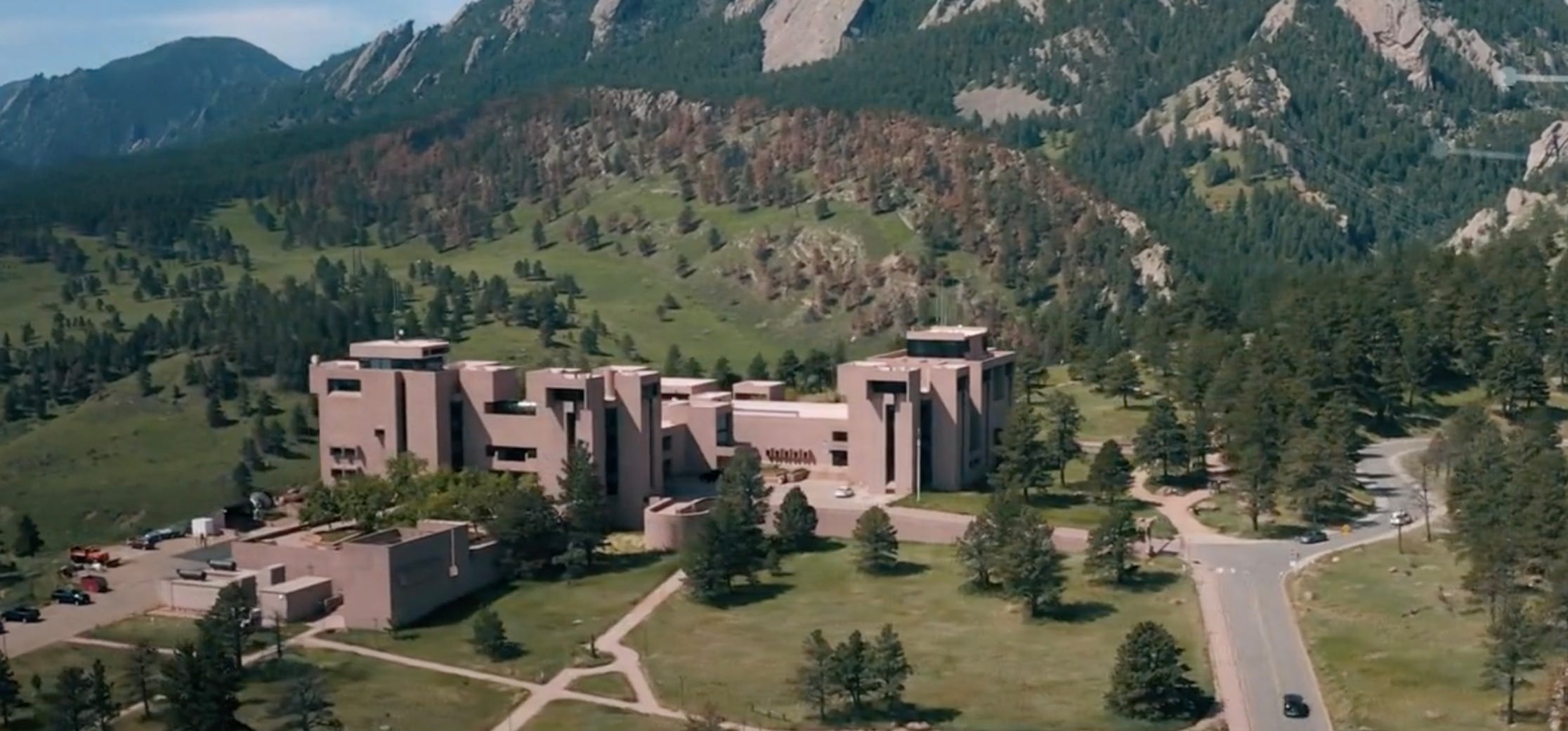
Many types of research, from climate to health, depend on the success of multinational teams, shared instruments, and global datasets. So when major U.S. scientific programs, assessments, datasets, and institutions are defunded, taken offline, or dismantled, the consequences extend far beyond one country’s borders.
Scientific resources directly affect our ability to understand the world we live in. In the case of weather and climate science, they help us anticipate risks and make informed choices that protect lives, livelihoods, and ecosystems.
In a nutshell, science is how we turn uncertainty into understanding. It’s how we forecast hurricanes, manage water supplies, design safer infrastructure, track pollution, and prepare communities for a changing climate. So when programs like the National Climate Assessments, the Climate Adaptation Science Centers, NASA Earth-observing satellites, and EPA monitoring efforts are cut, what we lose is not just research: it is knowledge infrastructure.
For example, the National Center for Atmospheric Research supports the weather models that underpin forecasts worldwide, the climate models used across the world, and many other tools relied on by meteorologists, emergency managers, farmers, insurers, and planners. As I explained in this article, dismantling its resources is like removing the keystone from an arch: the entire structure becomes unstable.
Scientific data and models are a shared public good. We use them every day, whether we realize it or not. They make economies function, help keep communities safer, and ensure policies can be more effective.
Information is the foundation of good decision-making, and choosing to limit its availability does not move a society forward. It moves us backward when clear, reliable knowledge is more essential than ever, because climate is changing faster than any time in human history.


Your to-do this week is simple: start a conversation with someone about how weather and climate science benefits our day to day life, perhaps in ways we don’t often think of. These conversations matter everywhere, even though science is currently most under threat in the U.S. When we aren’t conscious of how science protects our health, safety, and livelihoods, it becomes easier to take it for granted—and harder to sustain the public support it depends on.
There are some great examples of how science helps us in this week’s recommended read below. And if you’re still not sure where to start, I have a unique opportunity for you. Deke Arndt is the director of the National Centers for Environmental Information (NCEI), an organization I’ve worked with for decades. NCEI is based in Asheville, NC which was devastated by Hurricane Helene last year, as Deke explains in this interview.
As Deke shared recently on LinkedIn, “NCEI protects and builds the data that makes America’s economy, infrastructure and policy landscape do amazing things for you. Let me know what you did today and I’ll let you know how NCEI data made it better, safer, or less expensive.” I asked if I could share this invitation in Talking Climate, and he said “of course!” So if you’re looking for an easy way to spark a meaningful conversation about why science matters, just click here and take Deke up on his challenge.