

Did you know Talking Climate is also a podcast? Click here to listen to this episode on your favorite podcasting platform.
Bogs were the topic of the Talking Climate newsletter Merritt Turetsky guest-edited a few weeks ago. Now Eos, the news magazine of the American Geophysical Union, has an entire issue on peatlands. It’s full of fascinating bog stories, from ancient bog mummies to evidence that Antarctica was once a peatland to news that birds are thriving at a solar park on degraded peat in Germany.
One of the new studies they highlight finds that rewetting Finland’s 5 million hectares of drained peatland could turn them back into carbon sinks within a couple of decades. This is far faster than some earlier research suggested, and echoes what Merritt told us in her edition: put the water back, and the carbon stays in the ground.

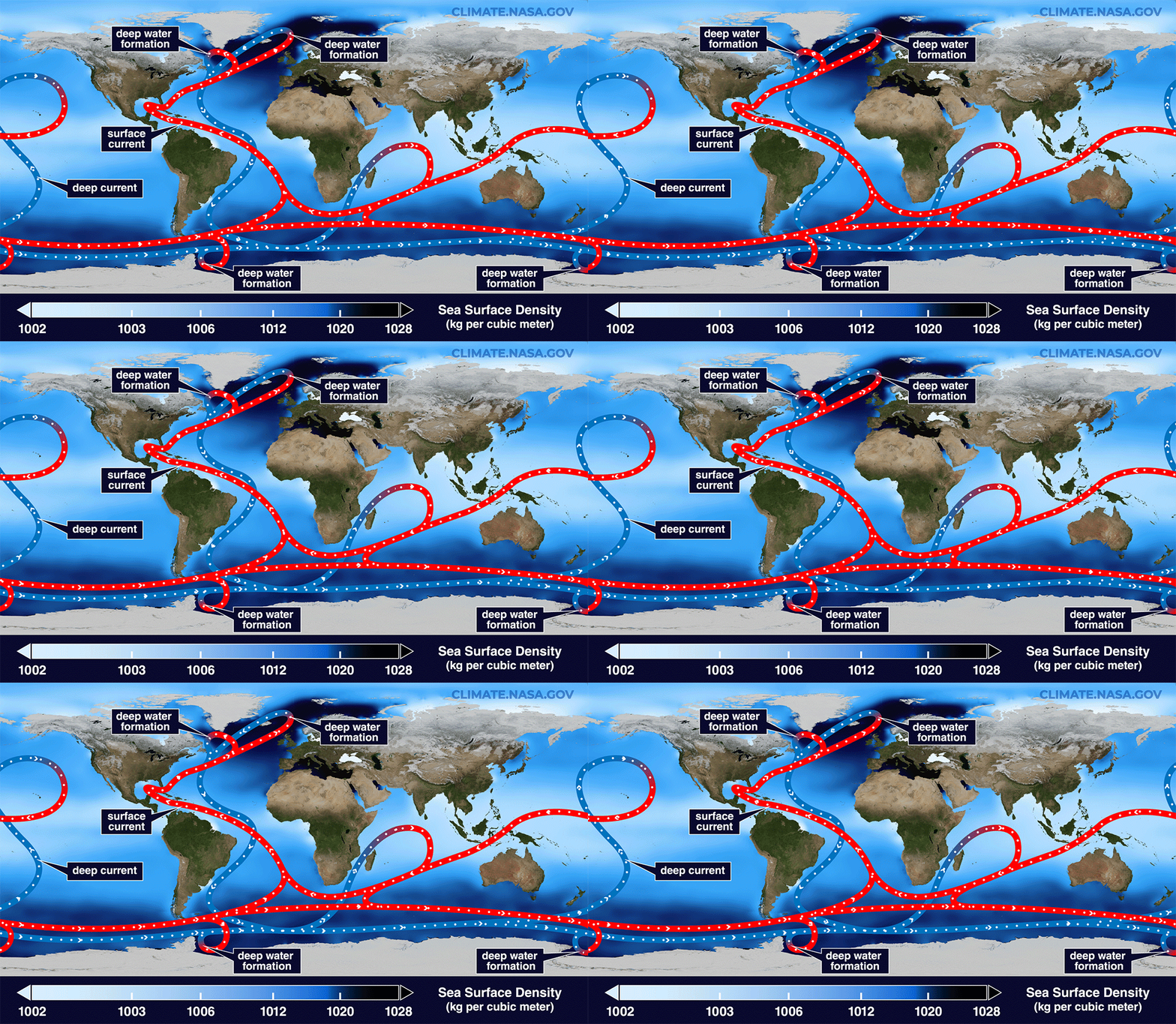
Even though the U.S. is cancelling many scientific data records, monitoring continues elsewhere. In the remote Faroe Islands, scientists have been tracking essential ocean currents for a long time—and this story from Tony Bartelme explains how that long-term record holds some good news.
One of the biggest “tipping points” scientists worry could be triggered by global warming is a weakening or even a collapse of the Atlantic Meridional Overturning Circulation, or AMOC. While the impacts wouldn’t be nearly as dramatic as imagined in the movie The Day After Tomorrow, they would still be severe: faster sea level rise along North Atlantic coasts, colder winters in northern Europe, and major disruptions to rainfall across the tropics.
Despite rapid ocean warming and indications that AMOC is in fact weakening across the Atlantic, ocean current measurements in the Faroe Islands have been holding steady since 1993 - for now - and that’s good news. This reminds us of what long-term monitoring makes possible: we can only know what’s changing because someone keeps taking careful measurements.

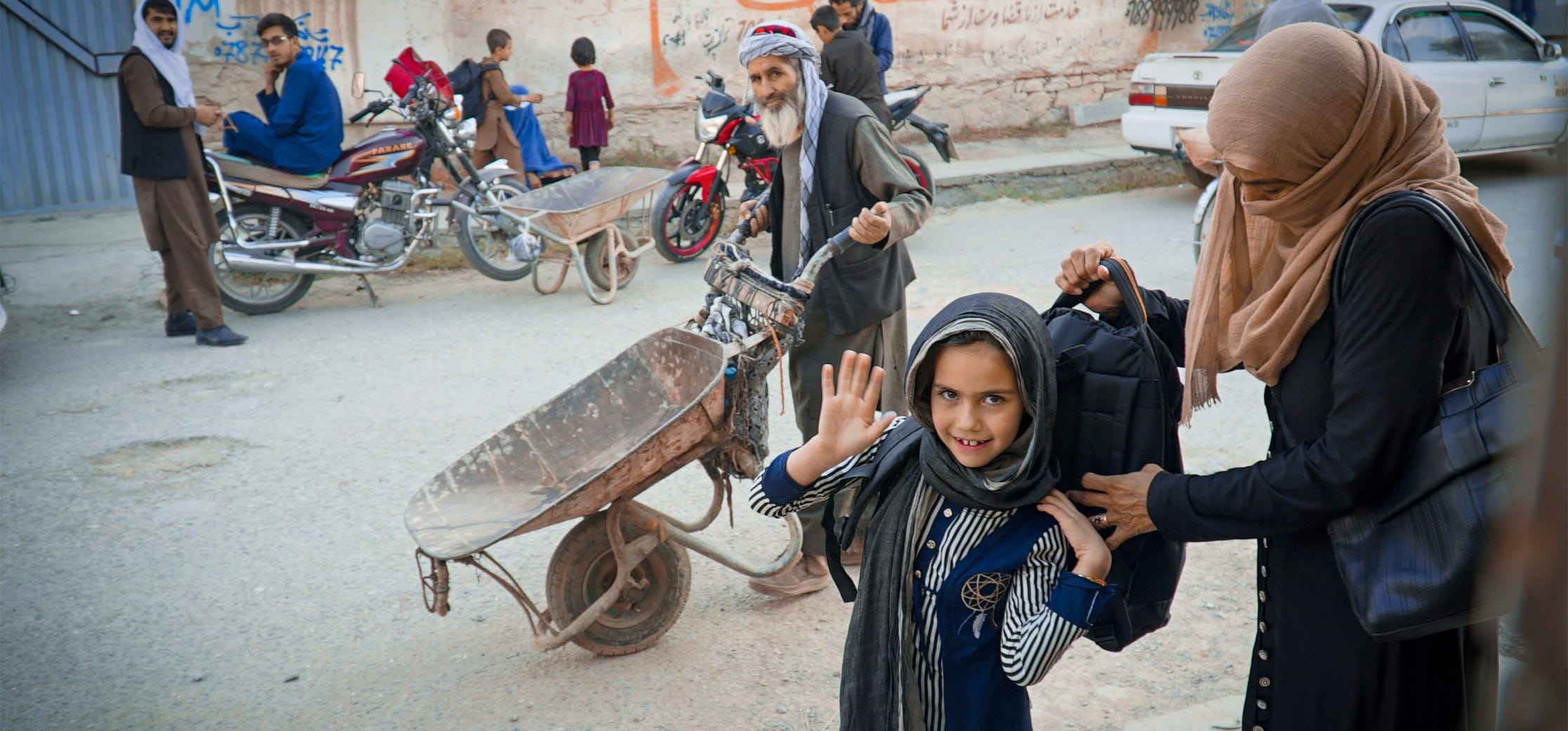
I’ve written before about how climate change is driving child marriage in Malawi. Now it’s happening in Afghanistan, too. Photographer Elise Blanchard traveled to Afghanistan to hear the stories of families in Badghis Province, in the country’s rural northwest.
Most villagers in Badghis live in mud homes without electricity. Their contribution to climate change is virtually nothing; yet they are paying some of its steepest costs. Shepherds and farmers in particular are struggling to feed their families as climate change brings longer and harsher droughts that wither pastures and wipe out harvests.
Faced with growing debts, some families are marrying off their young daughters in exchange for bride prices. In one family, two daughters, ages two and five, are already engaged. “I know they are too young to be engaged,” their mother said, “but we had no choice.” One 14-year-old girl burst into tears on her wedding day, saying, “I am not happy because I am very small.”
Stories like this are the reason I’m a climate scientist. Climate change takes so many of the inequities that already exist and makes them worse. It’s profoundly unfair - and that’s a huge reason why we need to fix it.

Did you know you can contribute to climate monitoring?
If you live in the U.S., Nature’s Notebook lets you track seasonal changes in plants and animals near you. Right now, that might mean watching a favorite tree’s leaves turn gold and noting when they fall. In spring, you could look for its first buds and flowers. Scientists use these observations to understand how climate change is affecting nature.
Wherever you live, you can record observations of any plant or animal with iNaturalist (co-directed by my colleague Scott Loarie, with whom I published research on climate impacts on California’s plants) and any bird with eBird. You can also help transcribe historical weather records, which show how climate has changed in locations around the world.
Small observations and efforts like these add up. The reason we know about ocean currents off the Faroe Islands is because scientists kept measuring them, in the same way, for decades. Years of notes from thousands of people become a climate record – like the cherry tree blossom record in Kyoto, Japan that stretches back to the 800s. The faster climate changes, the more data we need to understand what’s happening and why it matters.

Mon, November 2 at 7pm PT - Climate Action & Conversation Across Divides with WorldOregon at the Alberta Rose Theatre; in person in Portland, OR; general admission $31.25
Is there any GoFundMe for the families in your report today? We could give bride prices so that their children could grow up on their own terms and not have to marry any old man who will lord it over them and oppress their joy. "bride prices" sounds like a polite way of saying "slave auction fee" and human trafficking money changing hands. What a bogus arrangement. After he starts beating or starving her, where will she have to escape to? Her family won't let her come back, because they want to keep the money. Countries should offer refugee status to girls fleeing "bride prices". Is there a goFundMe to help the girls or their families obtain citizenship in other countries?