


This week, I am delighted to welcome another climate Katharine as guest editor of this newsletter—Dr. Katharine K. Wilkinson , who I’ve known since she published her first book, “Between God and Green” about climate change and evangelicals all the way back in 2012.
Katharine is also co-editor of the bestselling anthology of women’s voices, All We Can Save (to which I also contributed). She co-founded and leads The All We Can Save Project, co-hosts the podcast A Matter of Degrees, and writes the newsletter Human on Earth here on Substack. She is, in short, one of the most vital voices in the climate movement today.
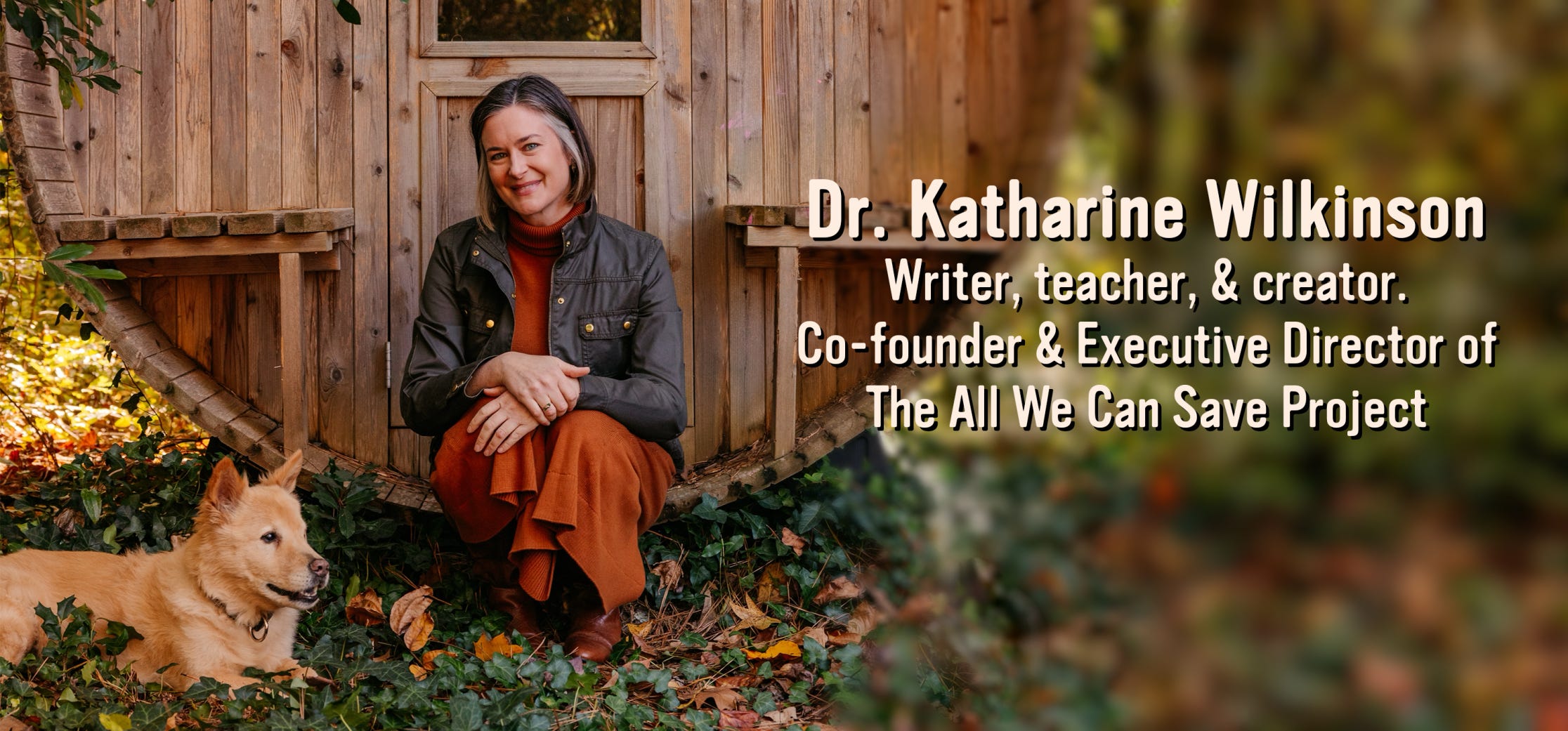
Her latest book, which Bill McKibben calls “invaluable,” is Climate Wayfinding: Healing Ourselves and the Planet We Call Home, and it was just released this week! Why “Climate Wayfinding”? Because we are living in a world where maps increasingly no longer work—quite literally, as shorelines slip beneath rising seas, glaciers melt away, and places we love go up in flames. But this is also true internally and societally. Many people feel lost or stuck in this liminal, unsteady time. Climate Wayfinding asks the questions I hear everywhere: How do we navigate lives of meaning, belonging, and contribution? How do we move through ache to action?
Katharine has said that this is a magnificent time to be alive, because we truly can make a difference with our actions. I agree, and I can’t think of a better guide for the journey.
Take it away, Katharine!

Last July, the International Court of Justice issued a landmark climate ruling, declaring that nations have a binding legal duty to protect the climate. Many Talking Climate readers will know this piece of good news, but I’d like to bring it back up so I can share two key “morals of the story.”
When Jennifer Robinson and I were in graduate school together as Rhodes Scholars at Oxford, she was emphatic: “I’m a human rights lawyer, not an environmental lawyer.” We’d have long, heated discussions about it at our local pub.
But then fast forward to 2024, and Jen was a core part of the legal team for the pioneering climate case that went before the ICJ. Now a full-blown climate leader (among many other things), her story is a reminder: we all have gifts to bring to the work of mending our planet. As I write in Climate Wayfinding, “Each of us is a node of possibility for healing the climate crisis, whoever we are and whatever we’ve got to give.”
The ICJ story is also a reminder about the powerful role climate education has to play. The bold idea “to bring the world’s biggest problem to the world’s highest court” grew out of a classroom at the University of the South Pacific.
With social change, we tend to focus on the big, visible wins—like the moment in The Hague when the landmark opinion was read—but we must invest in the small, quiet spaces where change begins. A climate-centered classroom is one of those places.

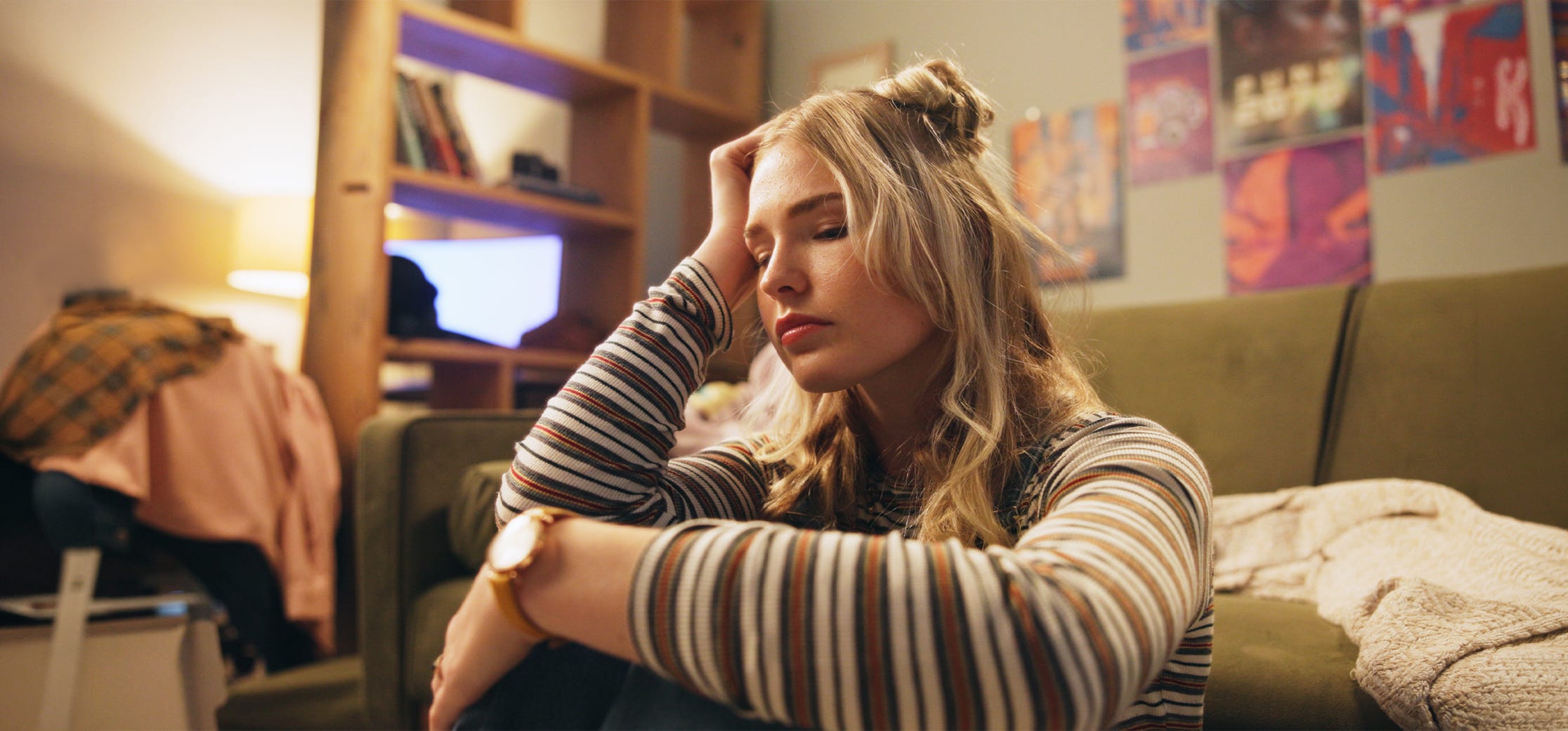
Young people are feeling the emotional weight of the climate crisis—and they aren’t alone in that. As more and more of us encounter climate impacts firsthand, our distress continues to grow.
In 2025, my friend Dr. Britt Wray and her co-authors published the results of a survey of nearly 3,000 young people in the US. According to TIME, they “found that approximately 20% of them were afraid to have children—worrying about bringing a new generation into a steadily warming world. That figure jumped to over 30% among young people who had experienced a severe-weather event first hand.”
Young people have been given heaps of information. What’s often lacking is orientation. We owe it to the generations inheriting our planetary mess to help them move from isolation to connection, from doubt to possibility, from ache to action.

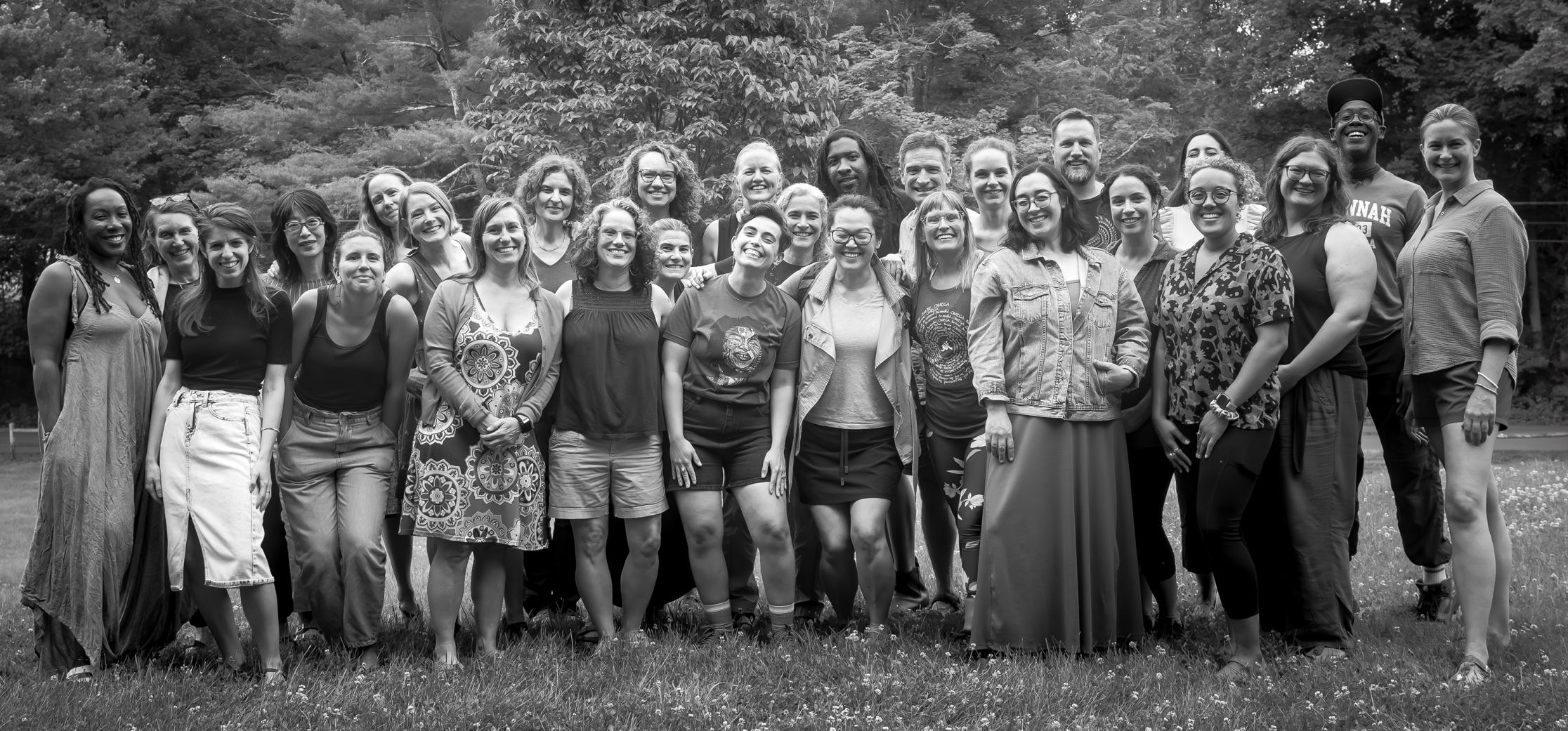
Too often, we hold this question alone: “What can I do?” Often, we hope someone will come along and answer it for us. But I believe the most powerful answers don’t come from a punch-list. They come from deeper exploration and navigation, especially in community.
We need to cultivate the kind of climate community where we can hold that question—“What can I do?”—and our other big wonderings about what it means to be human on Earth. We need spaces to work our way into meaningful answers that reflect our unique values, superpowers, contexts, and interests.
With Climate Wayfinding, there’s a group experience built right into the book. Learn more and sign up to lead a reading group—in your community, workplace, classroom—here.
Together, we can look inward with care, outward with curiosity, and forward with courage. That’s how we find our way.

Thank you, Katharine W! I especially appreciate your reminder that climate action isn’t about having all the answers right away—it’s about finding our way forward together, with courage, community, and hope.
If today’s edition resonated with you, I highly recommend checking out her new book, Climate Wayfinding, along with the accompanying reading groups designed to help people move from isolation to action in community.
You can also explore The All We Can Save Project, listen to her podcast A Matter of Degrees with my fellow Canadian Leah Stokes, find her on Instagram and LinkedIn, and subscribe to her newsletter Human on Earth for more reflections like these.
Her work is a great reminder that meaningful climate action begins by asking what your unique gifts are, and how you can use them to help build a better future.
Short film based on the book Climate Wayfinding by Katharine K. Wilkinson and design by Ampersand; generously created pro bono by BCG BrightHouse.

IF YOU’RE IN THE UK, THERE’S ONE MORE CHANCE TO SEE ME IN PERSON THIS WEEK
Fri May 8 at 2pm BST - Why Climate Science is Not Enough at UCL in London - in person; Archaeology G6 Lecture Theatre, University College London, 31-34 Gordon Square

Looking forward to reading Climate Wayfinding! Thanks for giving this important book a feature. Hope many people find their way to the book through you!
Thanks for your insight, especially about young people not wanting to have children. I have ruminated about that in https://deanthompson.substack.com/p/an-investment-in-the-future-or-should?utm_campaign=post-expanded-share&utm_medium=web and I feel an argument can be made that having children and rasing them right is the single biggest investment one can make in ensuring a positive future.