

Click here to listen to this episode on your favorite podcasting platform.


Can a country grow its economy while reducing its carbon emissions? Yes! And you’d be surprised how many countries are showing that’s possible.
The latest Global Carbon Budget was just released. This analysis finds that 59 countries reduced their fossil fuel CO₂ emissions between 2019 and 2025, even as their economies grew. That’s 51% more countries than achieved the same thing during the comparable period from 2004 to 2010!
The countries span every continent, including Japan, Australia, Mexico, Colombia, South Africa, and much of Europe - an encouraging sign that the transition is spreading.
Of course, global emissions are still too high, and the transition to clean energy still needs to happen a lot faster to avoid more dangerous impacts. But this is an important reminder that economic growth and rising carbon emissions don’t have to go hand in hand. We already have solutions that work, and more and more countries are showing us what’s possible.

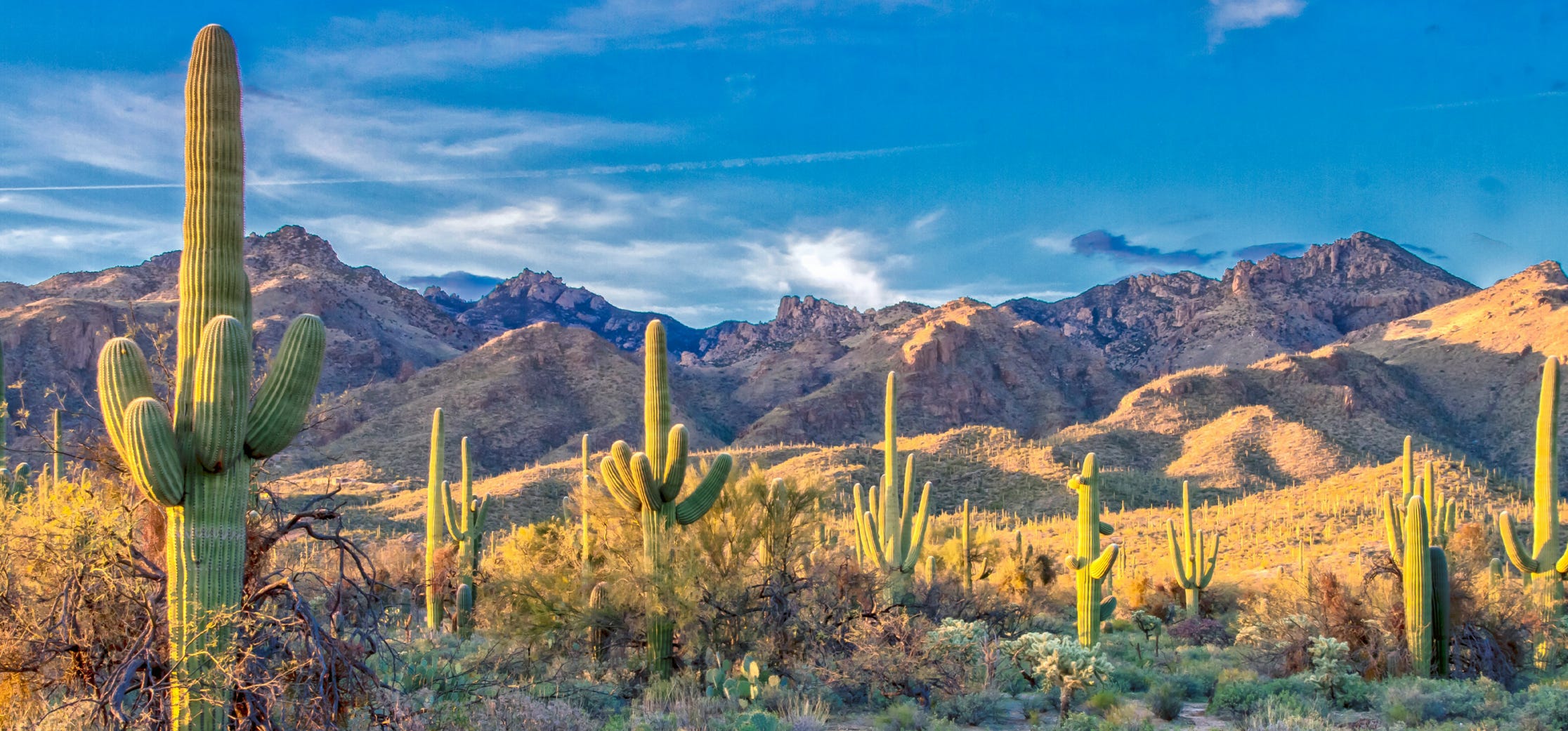
Often, we don’t spend a lot of time worrying about species we think of as being resilient – like mice, or milkweed, or the cactus. Cacti are hardy and drought resistant, so they’ll be just fine, you might think, right? A new study suggests not.
Researchers looked at the habitat of nearly 1,000 species of cactus and modeled how their ranges might shift in a warming world. When they factored extreme drought into their models, they found roughly 7 in 10 species would lose suitable habitat. Five regions could lose more than a quarter of their cactus species.
“The public perception of cacti tends to be of these organisms that are extremely drought-adapted and can handle anything that you can throw at them,” said Michiel Pillet, a conservation ecologist at the University of South Florida. “In reality, cacti are not that different from other plants.”
If even cacti have so much to lose from climate change, it’s a good reminder that being tough is not the same as being safe. Climate change really does put us all at risk!


You don’t have to be a scientist or an activist to work on climate solutions! Nearly every profession has a role to play. So whether you’re looking for a new job or exploring your options, I wanted to share some great resources you can use to put your skills to work for climate.
Globally, Climatebase lets you explore climate jobs across a wide range of industries, discover organisations doing good work, and connect with others who share your interests. They even have lists of professional events, and ways to find or start Climate Weeks in your city. Another global resource is Climate.Jobs, whose current listings range from sub-Saharan African to New Zealand.
In the U.S., the Green Jobs Board offers career exploration tools, mentorship opportunities, and resources for both job seekers and employers looking to build climate-focused teams. In Canada, check out ECOWorks. In Europe, there’s EuroClimateJobs. And in Australia, you can explore NRMjobs and Environmental Jobs.
And if you’re interested in how your profession is changing, the new book Green Skills and Jobs Guide explores how climate solutions are reshaping skills and careers across different industries.
This week, take a few minutes to explore one of these resources or share them with someone you know who’s looking for their next step or exploring the future.
But most of all, remember you don’t have to change jobs to make a difference. You can also look for opportunities to advance climate solutions right where you already work and there are two great organizations I’ve recommended before, Climate Voice and Hurd, who can help you do that.