

Click here to listen to this episode on your favorite podcasting platform.
Last weekend, the UN COP31 climate talks ended with no agreement, after all six mentions of fossil fuels were removed from the final text and 40 countries walked out.
This news is frustrating and heartbreaking. But Talking Climate guest editor Christiana Figueres, who led the negotiations that produced the Paris Agreement, has a different perspective. She calls countries’ refusal to accept a bad deal a sign of courage. As she put it, “We can’t walk back the progress that we’ve made.”
This doesn’t mean climate action has stopped—because it was never going to be solved by global consensus, anyway. The 2nd International Conference on the Just Transition Away from Fossil Fuels will take place this coming July, co-hosted by Tuvalu and Ireland. It formed as a reaction to fossil fuels being yanked from the COP30 agreement last year. Sixty countries participated in the first transition conference. I hope more will participate in this next one.
And while the climate crisis won’t wait for governments to find common ground, as UN Secretary-General António Guterres reminds us, we don’t have to wait, either. Many countries, businesses, and communities are still moving forward.
That’s why we need all our voices to keep pushing for change: speaking up with our friends and family, at work and at school, and to the people who represent us at every level, from city councils to national governments. And that’s exactly why I do this newsletter, to give you something to talk about every week.
So, who will you talk to about climate change this week?

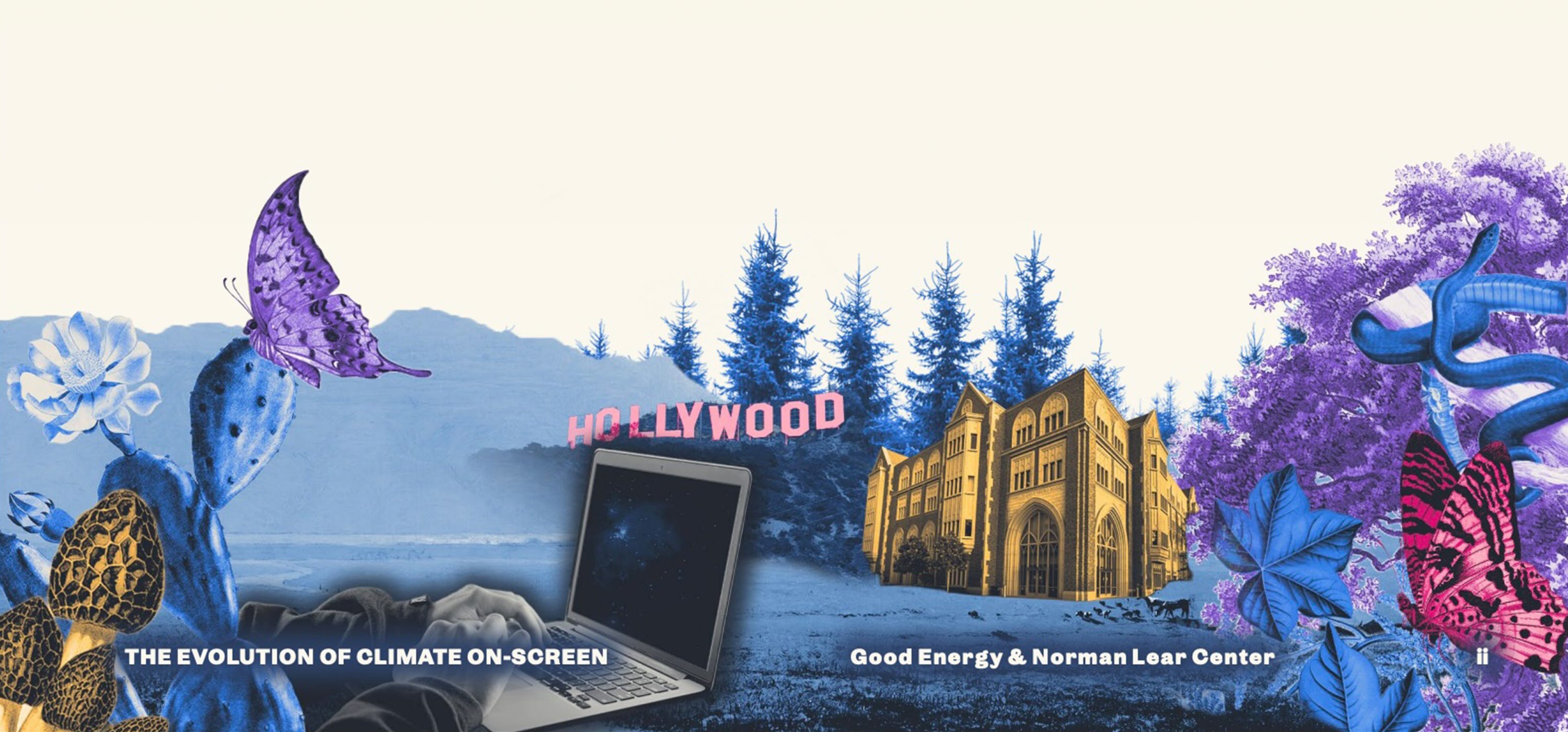
Climate stories are showing up more often on our screens—and more and more of them end in hope, not fear.
A new report from the USC Norman Lear Center and Good Energy Stories looked at more than 35,000 TV episodes and films released from 2021 to 2024. It found that 3.2% of scripts mentioned climate-related keywords, a 14% increase over the groups’ 2022 baseline study of scripts from 2016 to 2020. The phrase “climate change” itself now appears in 0.8% of scripts.
This might not sound like a lot, but it’s up 33% from the earlier period. Climate-related language turned up in medical dramas, romances, comedies, and family shows, on every major network and streamer. Obviously, we need climate mentions in many, many more scripts than this—but the trend is in the right direction.
What’s even more interesting to me is how the report also took a close look at 100 climate storylines to see how they unfold. Nearly two-thirds began with fear or threat. By the end, though, most had shifted toward agency or wonder, with characters finding courage, connecting with each other, and acting together.
“At [the stories’] center are complicated people—what they love, what they stand to lose, how they respond individually and together, and the fear, grief, humor, courage, and wonder that emerge along the way,” says my friend Anna Jane Joyner, Good Energy’s founder and CEO.
The more we see climate woven into the stories we love, the more natural it becomes to talk about it in our own lives. That’s how real societal change begins.
BONUS WATCH: In episode 4 of the Emmy award-winning documentary, Years of Living Dangerously, Anna Jane and I visit Alabama oyster fishermen dealing with climate impacts, then talk climate change with her dad, a megachurch pastor.


After two weeks of negotiations and two days of overtime, the latest big UN climate meeting, COP31, has ended without a major agreement. It’s because countries couldn't agree on the two things that matter most: getting off fossil fuels, and helping the people already paying the price.
As a scientist, it is absolutely insane to me that after 34 years of negotiations, countries still can't agree to name the biggest cause of the problem. As you might have seen me say on social media, a climate deal that leaves out fossil fuels is like a plan to quit smoking that never mentions cigarettes! And the fact that this happened while the planet was breaking heat records three days in a row beggars belief: according to the Copernicus Climate Change Service, November 19–21 were the hottest three days of global temperature ever recorded, each breaking the record set the day before.
But that’s not all. The wealthier nations most responsible for the climate crisis also failed to offer clear financial commitments to help vulnerable countries adapt to a warming world. Even the European Union, which rejected the weak fossil fuel language, faced criticism from developing nations and climate advocates for its unwillingness to commit additional climate finance.
As The Nature Conservancy’s statement by climate director Clare Shakya explains, a failed agreement can mean business as usual for wealthy countries, but devastating consequences for those already on the frontlines.
Take Panama for instance – the country already absorbs more carbon than it emits, yet it's still bearing the brunt of everyone else's emissions. The country's environment minister, Juan Carlos Navarro, described the world as being held hostage by the fossil fuel industry. "You love your kidnapper, the petroleum industry," he said. And countries like his are the ones paying the ransom.
For a close up look at what countries actually said in the final negotiations, including the arguments petrostates such as Russia and Saudi Arabia made against phasing out fossil fuels, this detailed thread by journalist Royce Kurmelovs is worth reading.
BONUS READ: UN talks end in an impasse on fossil fuels—sharing my opinion alongside those of Canada's former environment minister, Catherine McKenna, and Fossil Fuel Treaty founder Tzeporah Berman.

he question I’m asked the most often is, “I’m just one person. What can I do?” After this week’s news from COP31, I bet that’s what most people who care about climate change are wondering.
I’m not the only one who hears it. Climate researcher Kristian Steensen Nielsen and his colleagues get the same question, even though they live in Scandinavia, where more people talk about climate change than anywhere else. So they created a tool to answer it! Called Your Climate Role, it offers 44 research-backed practical ways to take climate action.
The resources are organised around five roles we play in everyday life: consumers, voters, employees, investors, and role models. You can explore opportunities like encouraging climate-friendly policies at work, getting involved in local decisions, or helping friends and family make changes. Each action includes practical first steps, and you can even build a personalised climate action plan based on what works for you.
This week, explore the tool. Choose one action and give it a try. The website was developed in Denmark, so some examples and calculations are country-specific, but most of the ideas apply wherever you live.
We can’t do this alone – but we can do it together. And that’s why it’s so important to consider not only how to cut our personal carbon footprint, but how to change the system to make it easier for everyone else to do it, too.
Thank you so much! I love reading your posts both here and on LinkedIn because I learn something new every time. Happy Thanksgiving!