

This week I am super-excited to have columnist Sammy Roth as my guest editor. Sammy is the brilliant mind behind Climate-Colored Goggles, a fantastic newsletter about the intersection of climate and culture.
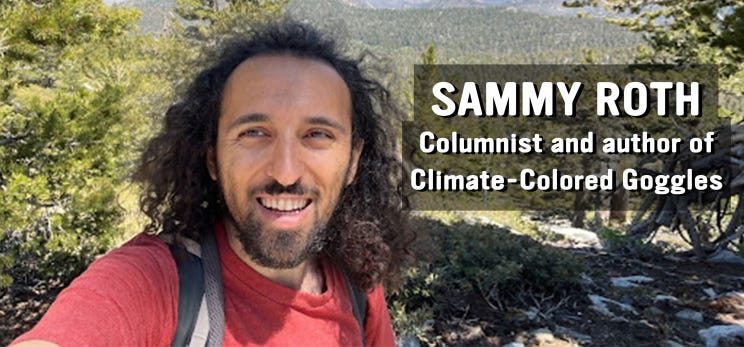
Sammy’s writing has been on my must-read list for a long time: first as the energy reporter at the Desert Sun, then the climate columnist at the Los Angeles Times. All told, Sammy has spent a dozen years writing about clean energy, water, public lands and more, and his stories are inspiring – and often surprising, too! He’s covered everything from car shows and conspiracies to how men obsessed with protecting their masculinity are more likely to reject the need for climate action.
On Substack, he’s highlighting climate solutions in pop culture, media and sports. “The more climate storytelling, the better!” he says – and I agree.
Take it away, Sammy!


With the Winter Olympics in full swing, athletes are using their platforms to encourage action on the climate crisis. As the Associated Press reports, a coalition of Winter Olympians and other athletes delivered a petition with 21,000 signatures to the International Olympic Committee, urging the IOC to consider ending fossil fuel sponsorships.
Earlier this month I also wrote about EcoAthletes Champion Jacquie Pierri, a member of the underdog Italian women’s ice hockey team in Milan-Cortina. She’s a sustainable energy engineer who makes hockey rinks more energy efficient and helps convince her teammates to eat less meat. She improbably advanced to the Olympic quarterfinals after two early victories! Before losing Friday to Team USA.
Across sports and other cultural arenas, climate heroes like Pierri are showing that climate change isn’t just a partisan battleground — it’s a powerful story for everybody. In Hollywood, “Grey’s Anatomy” spotlighted the health dangers of supercharged heat waves. NBCUniversal’s team ran a “Wicked: For Good” promo campaign that saw green-skinned Elphaba encourage fans to consider green technologies such as rooftop solar and induction stoves.
Examples abound of creatives leaning into climate and the energy transition. Just last weekend, Bad Bunny’s Super Bowl halftime show drew attention to Puerto Rico’s ailing power grid, which has been battered by climate-fueled hurricanes. Later this year, Disneyland will shut down Autopia so it can replace the 71-year-old ride’s gas-guzzling cars with electric vehicles.
It’s amazing to see so many cultural influencers — people who do not work on climate change for a living! — making an effort to keep climate accessible and front of mind.

As many examples as I could cite of cultural influencers telling powerful stories about climate, the numbers show there’s a long way to go.
A first-of-its-kind analysis of films and TV episodes from 2016 through 2020 found that just 2.8% mentioned climate change, or even a long list of related keywords. The most popular energy TV show right now is almost certainly “Landman,” which glorifies oil and gas production. Big-name actors continue to appear in ads for gas-guzzling SUVs.
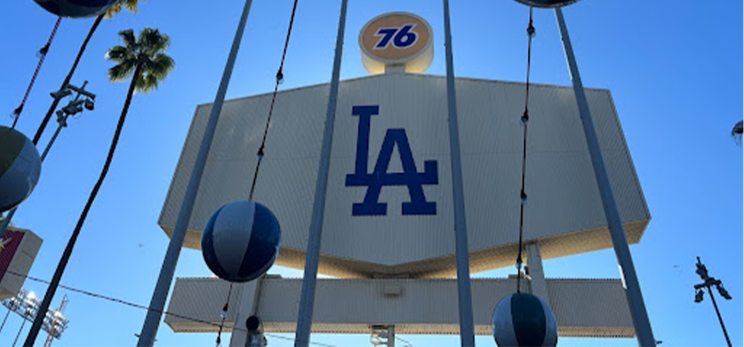
Similarly, dozens of U.S. men’s sports teams have sponsorship deals with fossil fuel companies or fossil-heavy utilities. In Los Angeles, my hometown, the Dodgers won’t even comment on a petition with nearly 30,000 signatures urging the team to drop oil industry sponsor Phillips 66.
Meanwhile, in the U.S. media world, support for climate storytelling keeps dropping. Earlier this month, the Washington Post’s legendary climate team — which won a Pulitzer Prize in 2020 — was gutted amid sweeping layoffs at the paper. Last year, CBS News laid off most of its climate journalists. Globally, climate coverage at major newspapers and TV networks has trended downward for the last several years.
Large majorities in the U.S. and around the world say they worry about global warming and support clean energy. But without a steady stream of stories reminding them to demand action — with many stories glorifying fossil fuels, in fact — it’s no wonder climate action rarely becomes a political priority.


Support the culture and media you want to see in the world!
I’m not much of a hockey fan, but I closely followed the Olympic women’s tournament to cheer on Team Italy and Jacquie Pierri. I didn’t care about the Super Bowl, but I made a point of watching Bad Bunny’s halftime performance (even before I knew there was a power grid subplot!) because I appreciated how the artist has stood up to the current U.S. administration.
If you hear about a climate-themed comedy show or art exhibit, consider checking it out. Listen to Jon Batiste’s climate anthem. If you visit Disneyland, ride the EVs of Autopia.
If you have the means, support climate journalism financially. Journalists can’t labor for free. Nonprofit newsrooms like Canary Media, Grist, Inside Climate News, and Floodlight do invaluable work. So do independent reporters such as Emily Atkin, Miranda Green, and Jonathan P. Thompson. Help them keep doing their jobs by subscribing if you can.
Also, just like in politics, collective action matters. Disney only committed to electrify Autopia after activists banded together and insisted they do so. Earlier this week, activists staged the first simultaneous nationwide protest against fossil fuel and utility sponsorships at 10 pro sports venues across the U.S., including Dodger Stadium.
Entertainment companies, sports franchises, media outlets and other cultural institutions won’t prioritize climate unless consumers demand it. So, demand it.

Thank you Sammy Roth for guest-editing this edition! You’ve reminded us just how powerful culture can be in shaping what we notice and what we value—and how important our voices can be in catalyzing change.
Sammy’s work makes clear that climate action doesn’t belong only in big marches or scientific reports. It lives in stadiums, storylines, songs, and shared moments. I hope you’ll check out Climate-Colored Goggles to learn more about how culture can help move climate from the margins to the mainstream. You can also follow Sammy on LinkedIn and Bluesky.

Thurs Feb 19 at 6pm MT - Climate Change, Colorado, and the Power of Collective Action with Colorado Mountain College; in person, free. Also recorded (I’ll share a link here when it’s available)
Mon March 9 from 4-6pm ET - Your Career in Climate with Catherine McKenna the Lawson Climate Institute at University of Toronto - in person, registration required, free. Also recorded (I’ll share a link here when it’s available)
Tues March 17 at 4:30pm CT - HMEI Taplin Environmental Lecture with High Meadows Environmental Institute - in person, free. Also recorded (I’ll share a link here when it’s available) Weds March 18 at 5:30pm CT - Spencer Lecture at the University of Michigan - in person, free
Well said! If we want solid climate journalism then people need to support and demand it! Unfortunately, many people aren't interested, but part of that is the dearth of coverage - it's a catch-22.
Also, coverage of the biodiversity crisis is even less than climate change, even though experts agree it's just as great a threat to humans as climate change. One study counted eight climate change news stories for every one on biodiversity! We need good coverage of both (plus pollution, etc...).
I just wrote something similar about the Olympics and their (un)sustainable impact, with a lens on marketing sponsorships. Here’s the link if you wanna read more: https://mirkotosoni.substack.com/p/the-winter-olympics-might-not-survive?r=hwo6y&utm_medium=ios