

If you’ve ever wondered, “Can we actually fix this?” and "How?!"— then this edition is for you. This week, I’m turning it over to Dr. Jonathan Foley, one of the most compelling voices working on climate solutions today, to share his top good news, not so good news, and what you can do.
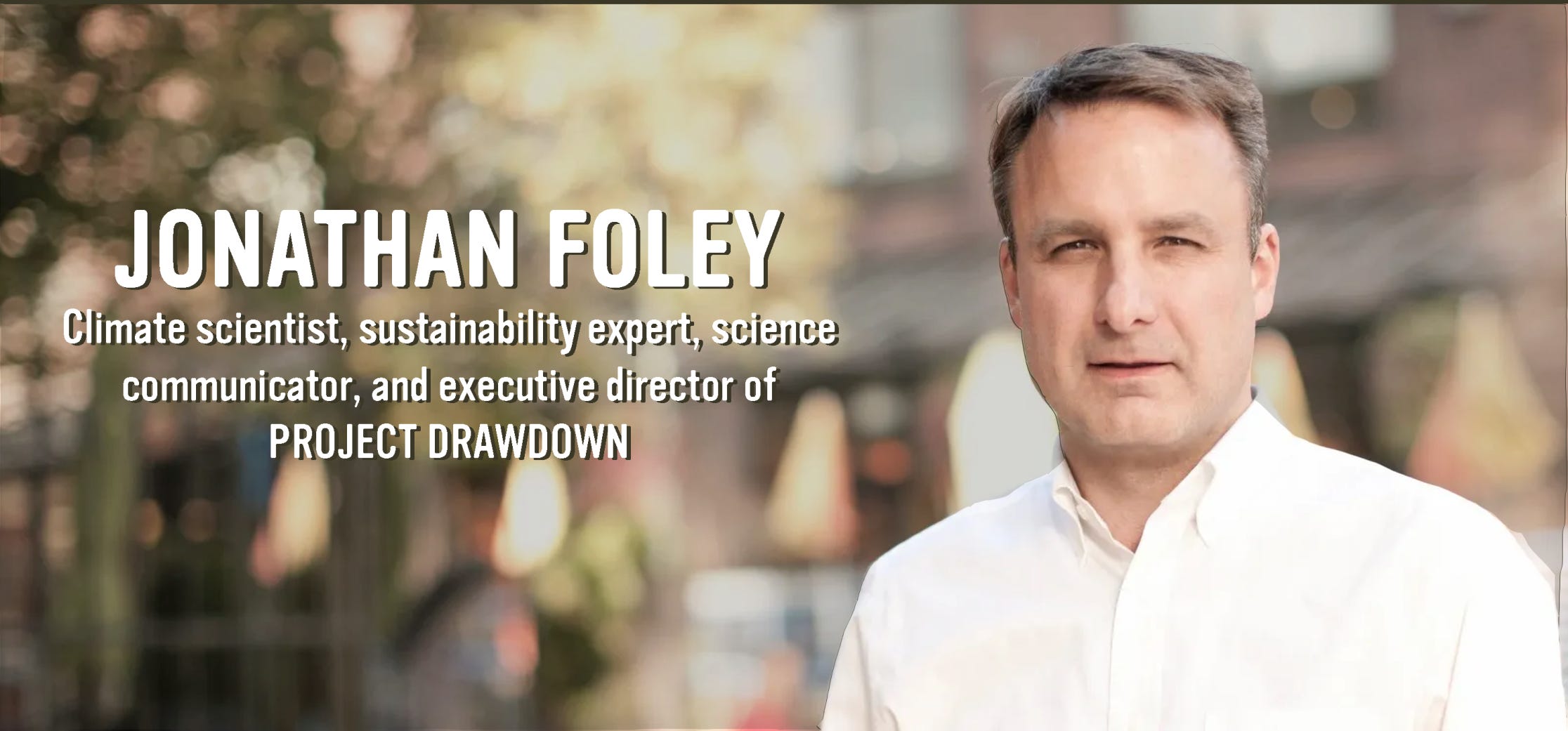
Jon is a climate scientist, sustainability expert, science communicator, and executive director of Project Drawdown, the world’s leading resource for climate solutions. The work Jon and his team do at Project Drawdown is so valuable that I recommend it to someone at least once every single week.
They have an exhaustive library of the many ways we can fix climate change while also rebuilding and restoring nature and investing in people’s health. In fact, if you’re looking for detailed information about climate solutions, Project Drawdown should be your first stop!
Take it away, Jon.

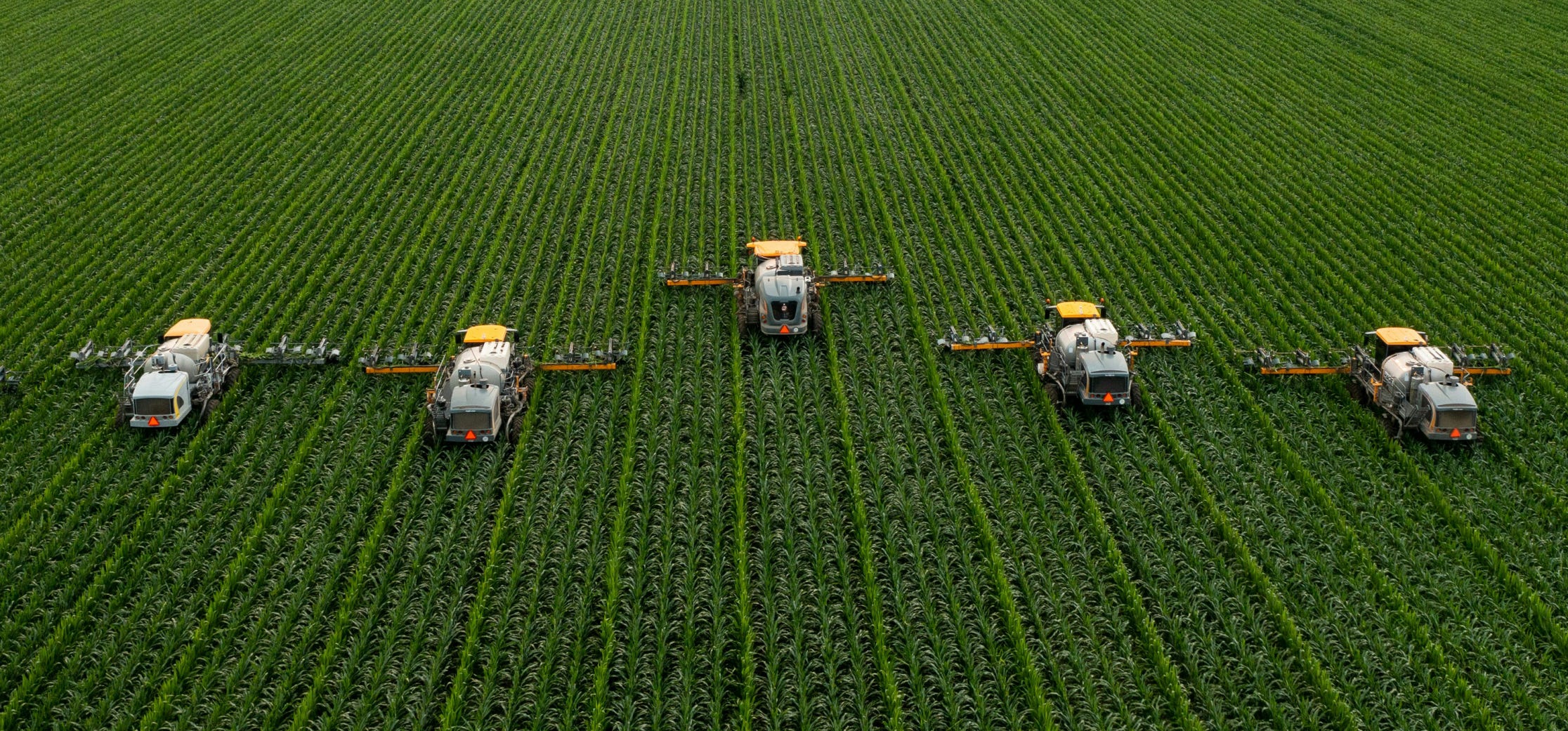
I’ve been thinking a lot about the role the world’s food system plays in climate change, and how we can fix it. Most people are surprised to learn that food, agriculture, and land use contribute a whopping 22 to 33 percent of our greenhouse gas emissions – and that share is still growing! [👋 KH here—that includes agriculture-related fossil fuel emissions]
Nothing else humans do comes close to the sheer geographic size of the global food system. Together, croplands and grazing lands cover 38 percent of the Earth’s land surface. To put this in perspective, all the world’s cities and suburbs cover less than 1 percent of Earth’s land.
So, we can’t fully address climate change unless we deal with this crucial sector. But solutions to the problem are abundant! We can curb food waste, shift our diets, protect rainforests from being cleared, farm better, and clean up the rest of the food system. We can also remove carbon by “rewilding” lands currently used for agriculture today, and practicing “regenerative agriculture” on our working lands.
For more, watch my latest TED talk, which focuses on food and climate solutions.

Clearly, this is a challenging time in the climate community. Political leadership on climate, particularly in the United States, is falling backward. Corporate leadership is stalling in many areas. And even media coverage focused on climate is rolling backward, as Katharine described in this newsletter just last week.
But there are some areas where we are making progress – particularly thanks to better climate solutions hitting the market. Solar PVs, wind power, heat pumps, EVs, batteries, LED lighting systems are getting cheaper, faster, and better all the time. That means they can beat fossil fuels in the open market. And, for the first time, they are!
Thanks to these forces, we are (finally!) starting to invest in climate solutions, which is great news. In fact, they are helping to drive down emissions in many advanced economies, starting with the electricity sector.
But sadly, we aren’t always putting our money in the best possible places or using the most effective solutions. Too often, we follow fads, profits, or political payback – not carbon – when investing in climate solutions.
We need to do much better with our limited time and money and ensure we make the best possible use of our resources. We can find solutions that are effective, large, inexpensive, and fast. We can also find solutions that offer other benefits to humanity – including clean air, improved health, and greater equity and well-being.
In this TED Talk, I describe a way forward. This framework asks how we can do a better job at climate investing and how science can guide the deployment of resources to the best solutions and strategies.

When it comes to taking personal actions on climate change, I’m a huge fan. I’ve been working to reduce my personal emissions – on and off – since the late 1990s. [KH again– Jon was the first scientific colleague I ever heard of, over three decades ago, who set a goal to cut his personal emissions by 50%– a huge inspiration for our community!]
I think shrinking your own carbon footprint is a great way to make a (small) difference, and talking about these changes is a wonderful way to engage and inspire many others to act themselves!
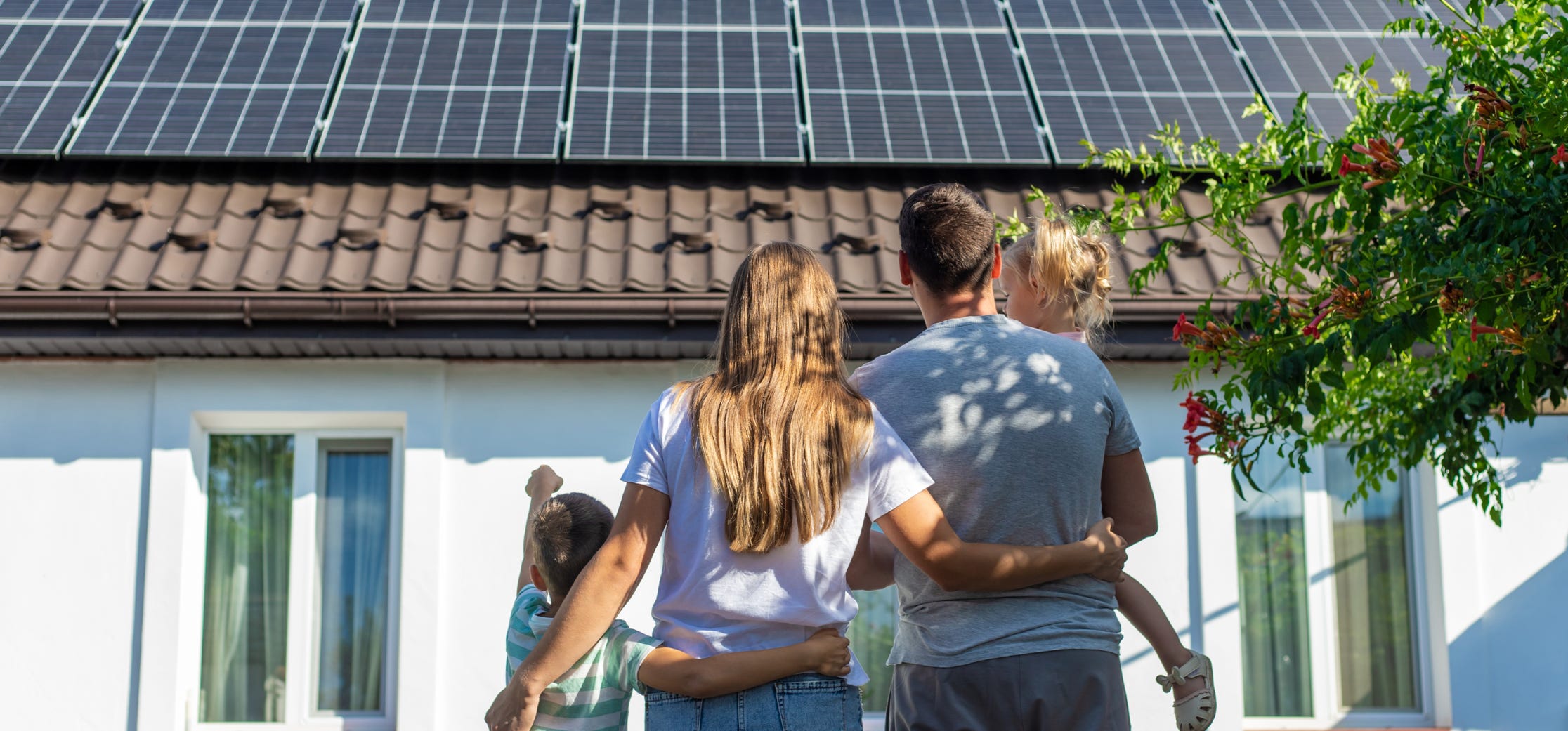
Each individual action we take can create unseen ripples that influence the larger systems of which we are a part – and we will need systemic change to ultimately solve this problem. When you switch to an electric vehicle or install solar panels, you reduce your own carbon footprint while also encouraging those around you to make similar choices. This also signals to politicians and the market that what’s good for the planet is also good for their politics or their bottom line.
We each have the power to do more — as consumers, citizens, employees, and members of our communities. In terms of what others can do, find your own paths and not just look at a “top 10” list. The “best” choice for you depends on who you are, how you live, and what you are willing and able to do. This article helps you look at how you eat, how you power and heat and cool your home, and how you travel, and recommends some tweaks you can make in your own life.
To help guide people to their own climate actions, I want to showcase the new SHIFT platform, co-produced by Professor Kim Nicholas and Project Drawdown, which helps people find their own climate “superpowers” – as consumers, voters, investors, and more.
SHIFT meets you where you are — your country, your lifestyle, your circumstances — and offers concrete, science-based actions that actually fit your life. [KH– including how to use your voice to drive change! To learn more about this fantastic tool, check out this past edition of Talking Climate.]

Thank you, Jon, for reminding us that while climate change is a complex challenge, we already have so many of the solutions we need. Often, what’s missing is just the will to change, which in turn is fueled by knowing that what we do can make a difference.
If you’re looking for more inspiration, Drawdown has fantastic resources for everyone working on climate. Whether you’re a teacher looking for free, engaging videos through Drawdown Learn, a policy wonk who wants to sift through the latest data on countless climate solutions on Drawdown Explorer, or someone who just needs a reminder that hopeful, real-world climate action is already happening, that’s what Drawdown Stories is for.
You can find Jon on Instagram, LinkedIn, and Bluesky. Learn more about Project Drawdown by visiting drawdown.org. You can also sign up for their newsletter and follow them on social media @ProjectDrawdown. Whether you’re looking for the latest research, practical climate solutions, inspiring stories, or tools like SHIFT to help you find your own climate superpowers, it’s one of the best resources I know.
Last but not least, don’t miss the upcoming webinar Jon and I are doing together next week: “Where Does Climate Action Go From Here?” on Tuesday, June 16 at 2:00 p.m. ET.

Tues June 16 at 2pm ET - Where Does Climate Action Go From Here? With Project Drawdown - webinar
Wed June 17 at 5:30pm BST - The Financial Times Climate & Impact Summit - virtual presentation to an in-person event in London; prices vary