

Happy Holidays! I hope you had a wonderful Christmas and are currently enjoying some peace and relaxation – or if not, then at least some quality time with the people you love! In the spirit of the season, this week I’m setting aside Talking Climate’s usual format to simply share positive and hopeful updates on climate and nature from around the world.
SOUTH AFRICA
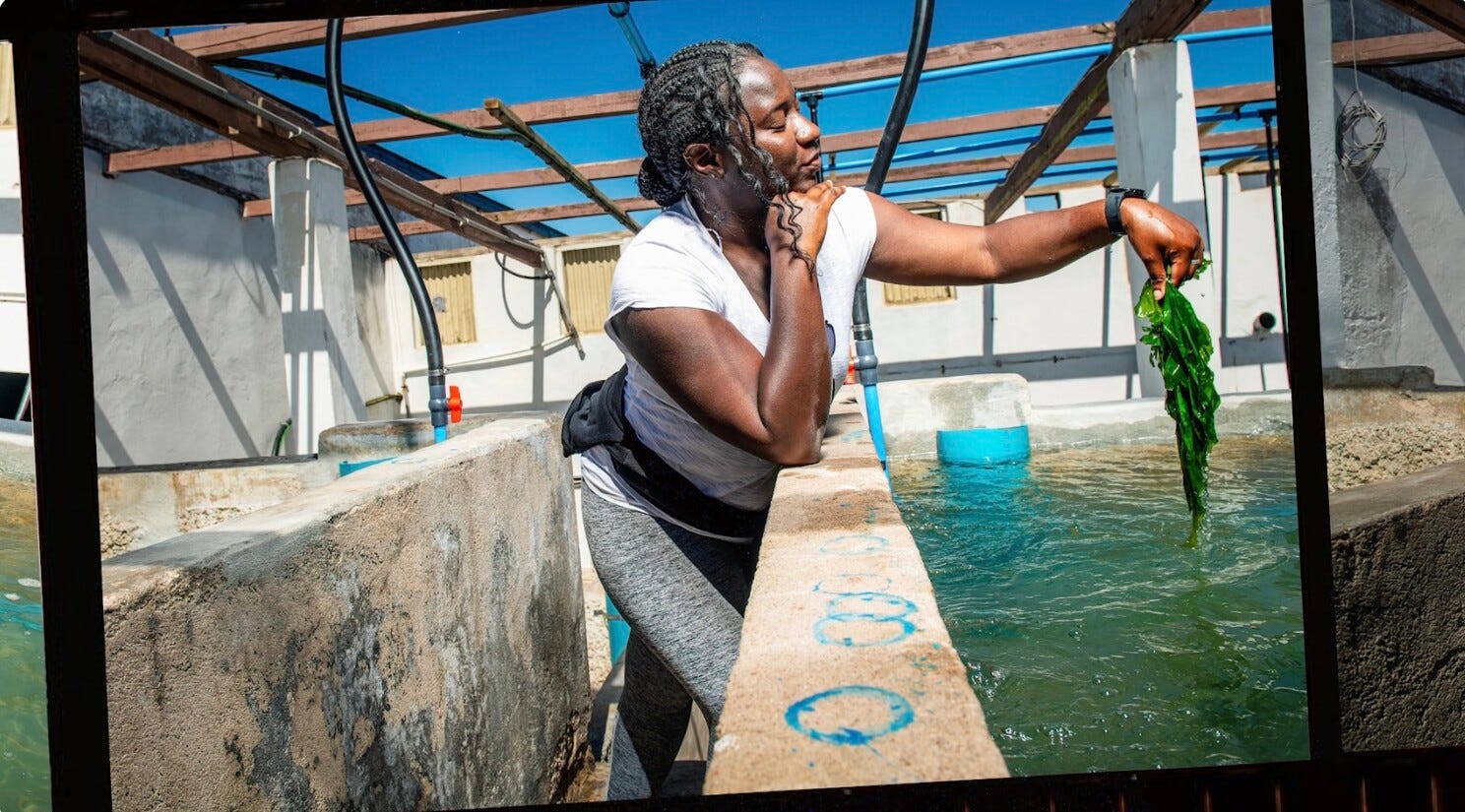
The world runs on energy, there’s no question about that. So how can we get energy in ways that doesn’t pollute our air, water, and land, and doesn’t create all the heat-trapping gases that cause climate change?
SeaH4 is a South African company that is tackling this. They’re producing sustainable biofuel using algae cultivated in ponds along desert shores and green hydrogen. The company, founded in 2022, hopes its product can help decarbonize the hard-to-abate marine and aviation transport sectors with their fuel, which can be used in existing combustion engines.
This past October, the company won the top prize at the ClimateLaunchpad Global Grand Final, beating out some 2,700 competitors!
INDIA
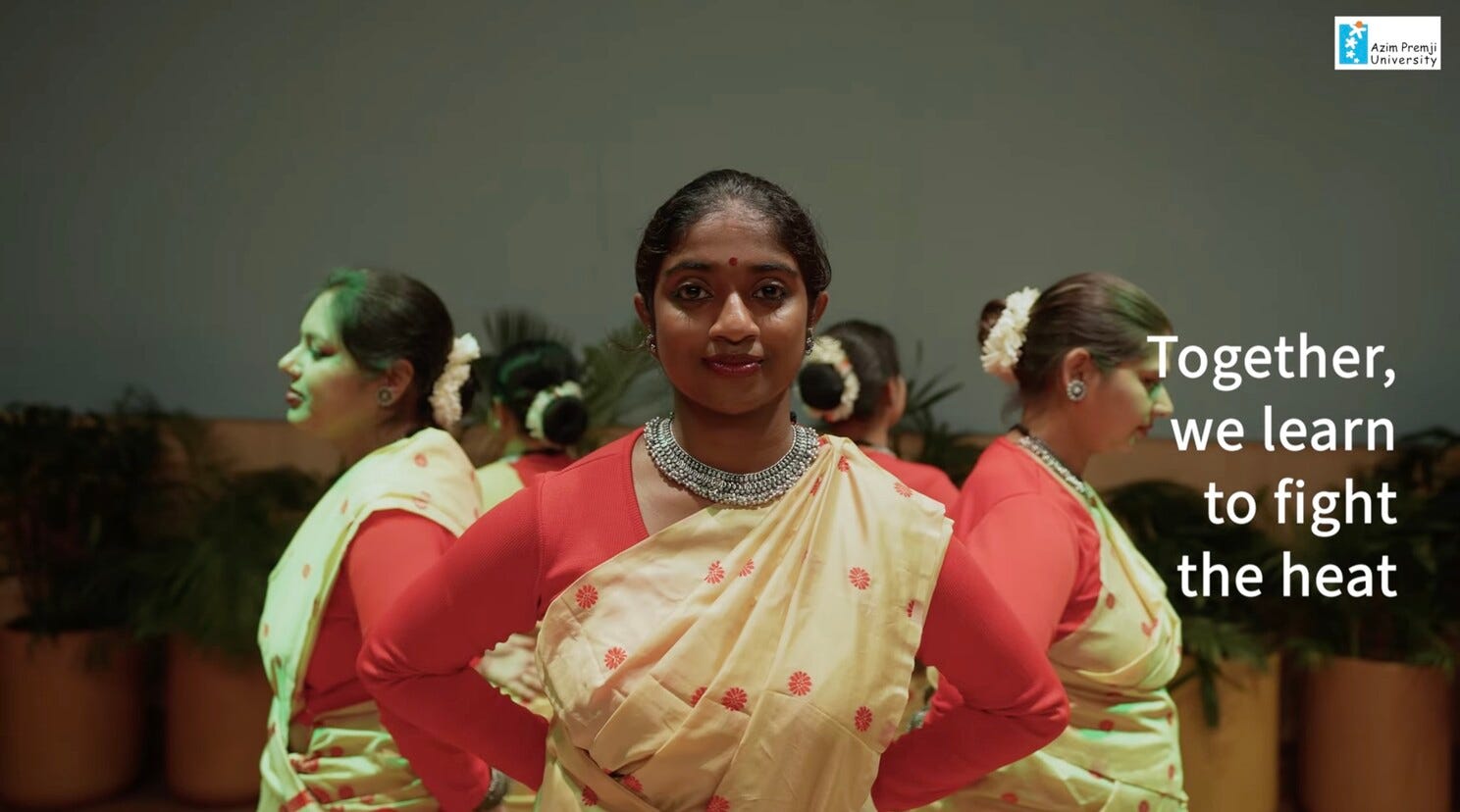
We need all different kinds of storytelling when it comes to sharing climate narratives. That is why I love this video of students at Azim Premji University in Bengaluru, India, performing a climate data story through dance.
The idea of using dance, music, and miming to tell a climate data story of a heat wave in India was the brainchild of Azim Premji’s Dr. Santonu Goswami, Dr. Harini Nagendra, and Talking Climate reader Richie Lionell, a data storytelling consultant (Thank you to Richie for letting me know about this video!)
“Climate change has led to intense heatwaves across India, with catastrophic impacts,” the video explains. “Through this climate data dance, we seek to translate scientific data on temperature and humidity into an emotional experience of how it feels to live through a climate crisis.”
For more from Azim Premji University on climate data democracy, see this article in PLOS Climate. The university also holds an annual climate festival.
AUSTRALIA
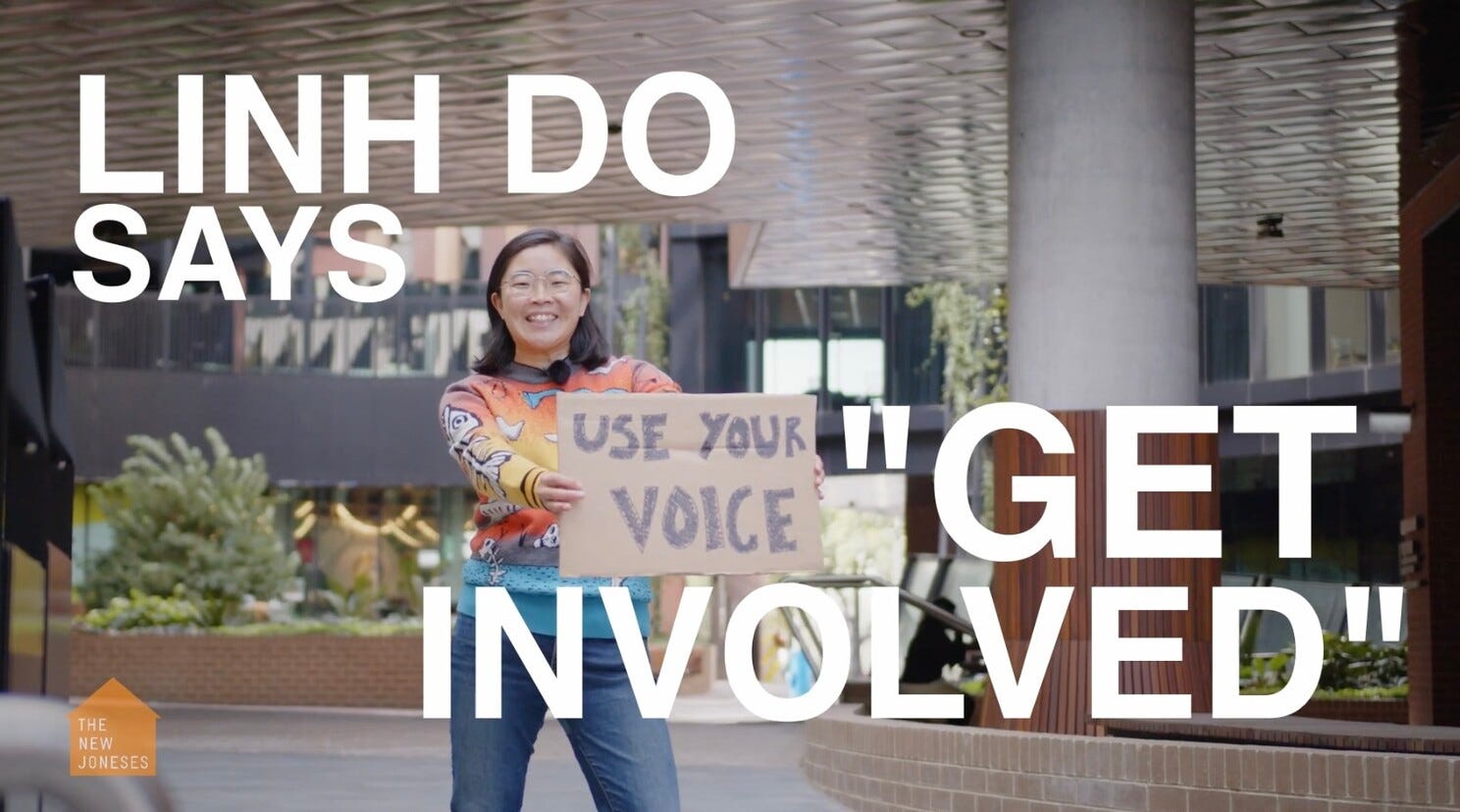
You don’t have to live in Australia to watch The New Joneses, a web series that tackles climate solutions with humour as the hosts traveling around the country in their electric vehicle in search of stories. Episodes are available on YouTube and they’re only about 10 minutes long. Thank you to Tamara DiMattina, the show’s creator and a Talking Climate reader, for letting me know about this delightful show!
One recent episode features two locals in Wollongong, New South Wales who are excited about what offshore wind farms could do for their community. Darryl, a lifelong coal worker, anticipates the wind farm could improve air quality and bring new jobs, including in green steel, to Port Kembla. Ali, a local mom, said the wind farms would bring a healthier future to her area. “Let’s go big and see what we can get for our community out of this. Can we get free EV charging stations, money for our schools and free energy for the community? Is that possible?” she wondered.
ALBANIA
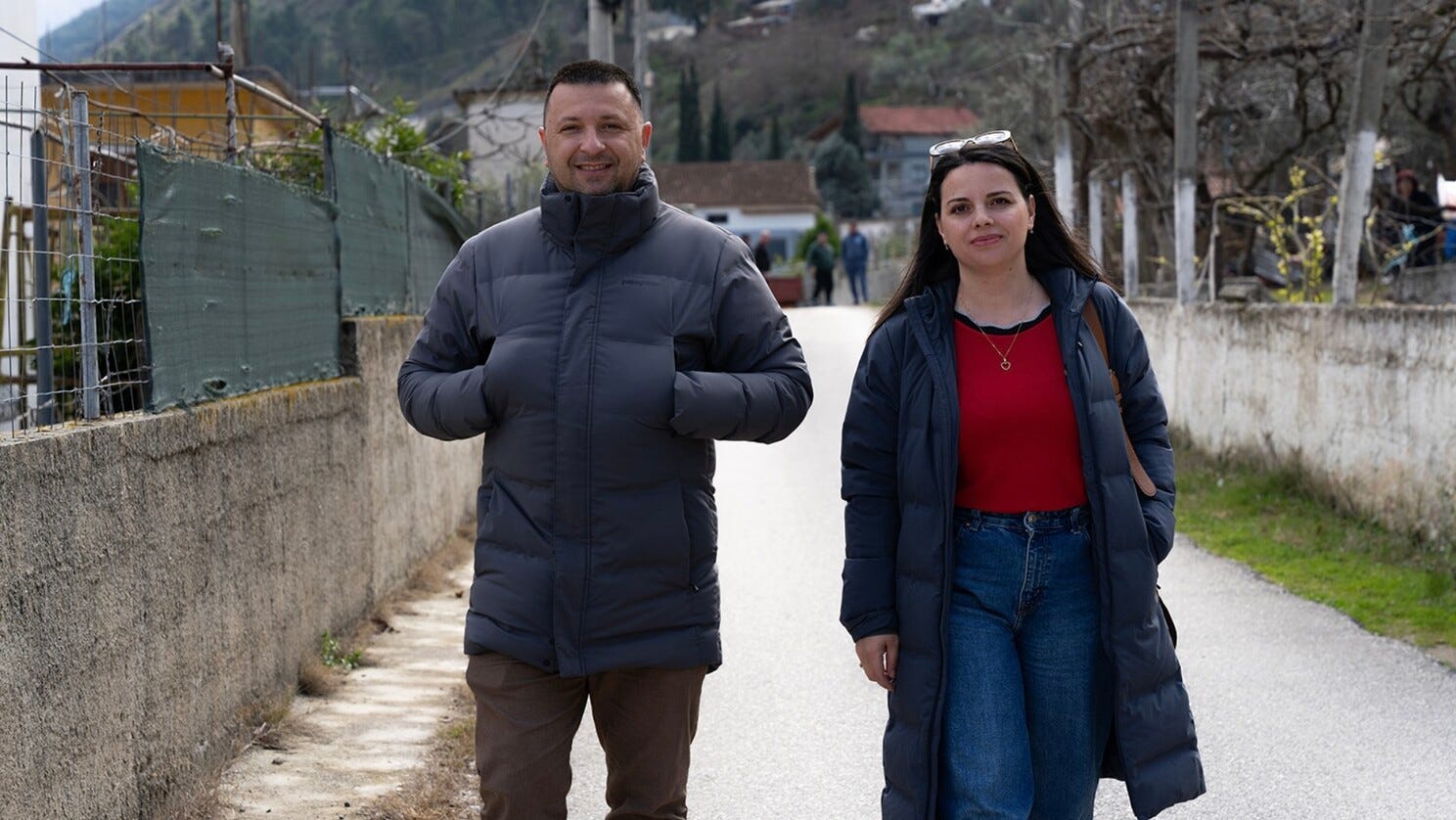
Two Albanian activists, Besjana Guri and Olsi Nika, lobbied tirelessly for 12 years to protect the Vjosa River from hydropower dams. The result of their action was phenomenal: the Albanian government has designated all 167 miles of the river as the Vjosa Wild River National Park.
This is the first wild river park in all of Europe and it is home to a whole host of animals, including critically endangered Balkan Lynx and endangered Egyptian vultures. “Despite it being one of the planet’s most fundamental resources, freshwater is disappearing at an alarming rate. Preserving each mile and each meter of free-flowing water is really critical,” Nika said. In 2025, Guri and Nika received the Goldman Prize for their efforts!
CANADA
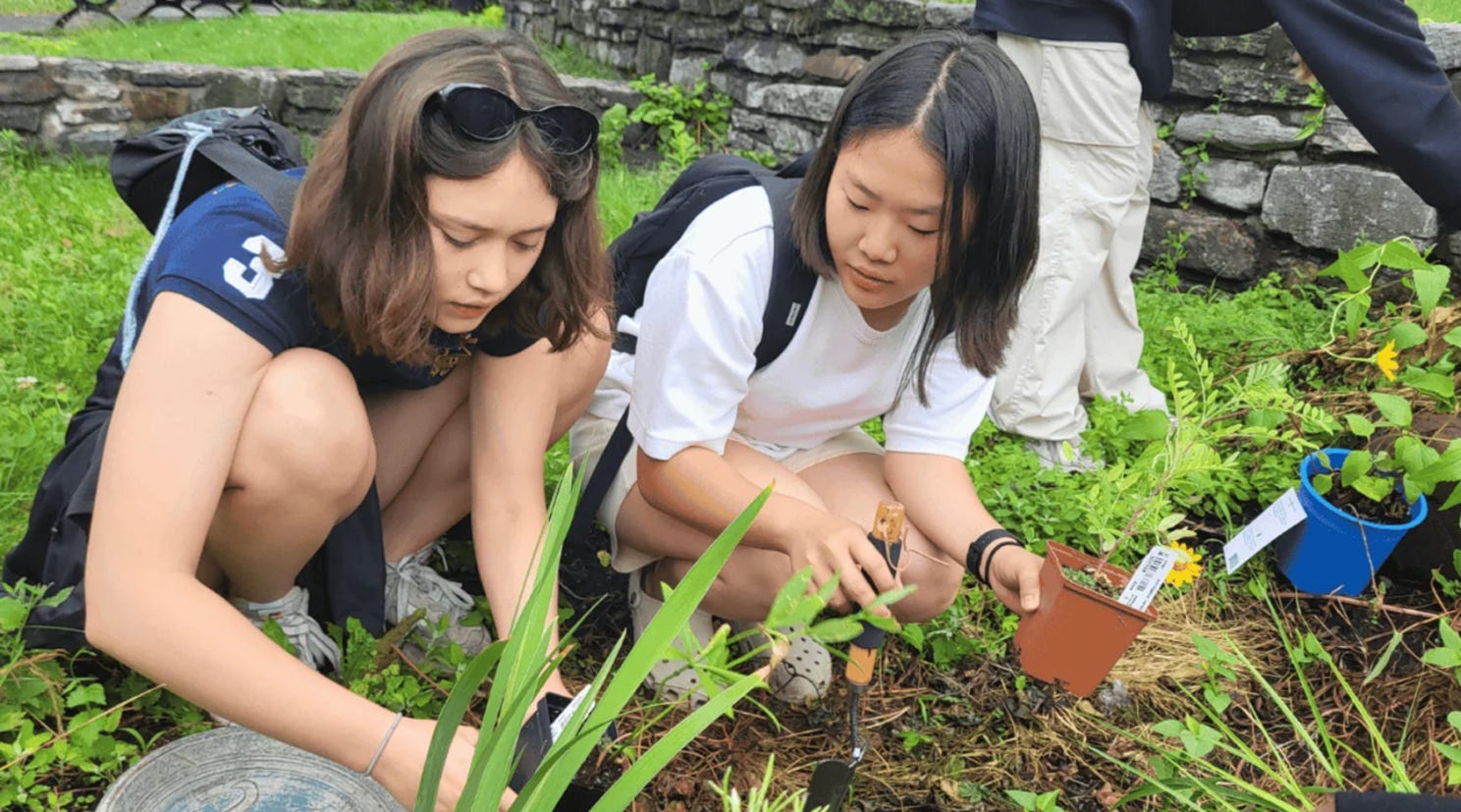
Climate change is not an abstract issue for 19-year-old Fatih Amin. He was born in Bangladesh and immigrated to Canada when he was 13. “I saw my village cope with floods, land erosion, fires and droughts every year. Even though people do come together in disasters, families that have lost everything never really recover. Climate change is personal for me,” Amin told the National Observer.
In Canada, Amin’s activism began at age 15 when he joined an urban ecology program run by the Quebec YMCA and built a mushroom farm that is still producing mushrooms today. Throughout high school he joined various climate groups, raising awareness about climate change by creating zines and encouraging his fellow students to act on climate change.
His advice for fellow young people? “Be observant. Learn what the issues are around you and start small to make things better,” he said. For his efforts Amin won the 2025 I-SEA National Youth Climate Activism Award. (Thank you Patty Lane for sending me your interview with Amin!)
PERU
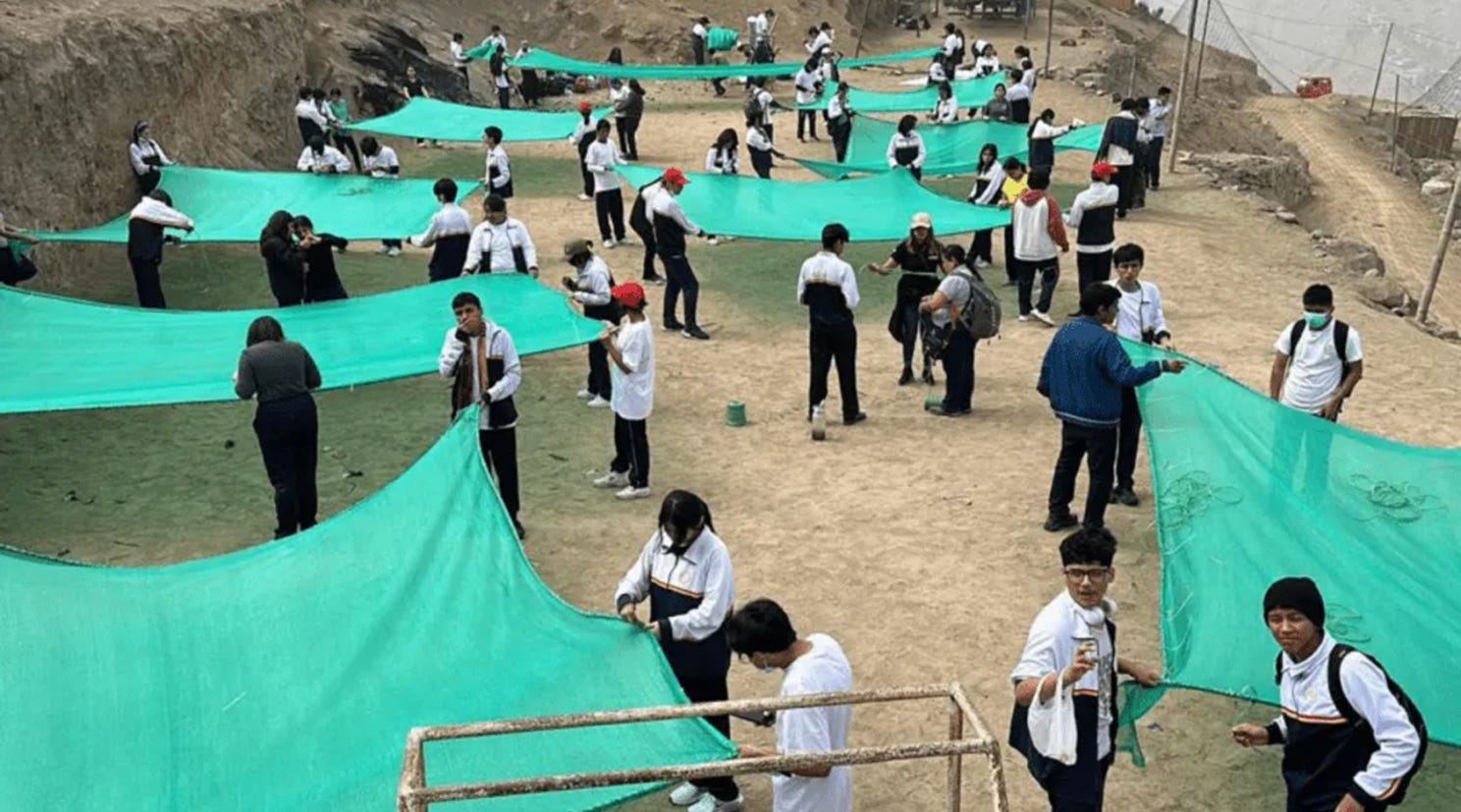
Lima, Peru is one of the most arid cities on the planet. Though the city is shrouded in persistent fog, it rarely rains there, and almost a million city residents do not have access to clean water. Even worse, the glaciers that have reliably supplied the region with water since the time of the Inca civilization are melting fast: a study two years ago found that Peru had already lost more than half its glacier area.
Abel Cruz Gutierrez, an industrial engineer, set out to change this using plastic nets and a network of pipes. “My invention, the Fog Catcher, collects droplets of water from the air and channels them through pipes into tanks. In doing so, we provide water to marginalized communities,” he explained. “This life-changing resource not only brings water to people in need, but it also transforms their outlook. Watching these communities gain hope and discover opportunity brings me immense joy.” For more on Abel’s Fog Catchers, see this article in The Caravan.

I hope you enjoyed this encouraging round-up of joyful climate news from around the world. We can’t fix this challenge alone, but we can do it together: and millions of people are already working on it.
As you can see, fully half of these stories come from Talking Climate readers: and I’m sure there are many more out there. So your to-do this week is simple: if you know an inspiring story you think I should share, now or in the future, please send it to me via email here or tag me on Bluesky or LinkedIn!