

Did you know Talking Climate is also a podcast? Yes, you can get your weekly infusion of good news, not so good news & what you can do directly through your ears. Click here to listen to this episode on your favorite podcasting platform!


I don’t know about you, but my experience of hospital food (in both Canada and the U.S.) has been disappointing, to say the least. So that’s why I was so surprised by a new study describing how a team at Vancouver General Hospital decided to rethink what it served patients, testing whether a more healthy and delicious menu could be better for the planet, too.
Together, celebrity chef Ned Bell, dietitians, doctors, and food service staff created, taste-tested, and added 18 new recipes to the hospital menu. Their new “Planetary Health” menu contained less animal protein and more plants, including coconut chickpea curry with cauliflower and cashews, a Korean gochujang bowl, turkey bolognese pasta, and steelhead trout with tomato miso dressing. Yum!
The payoff: food-related emissions fell by 39%, and patients liked it. Eighty-four percent rated the new dishes satisfying, and the menu delivered more fiber, calcium, and folate than before.
The approach has now spread to more than 20 hospitals in British Columbia, according to Jiaying Zhao, one of the study’s authors and a professor of psychology and sustainability at the University of British Columbia. Jiaying also happens to be the co-author of the next book on my reading pile, “Leave the Lights On - How Joyful Decisions Can Save our Species”.

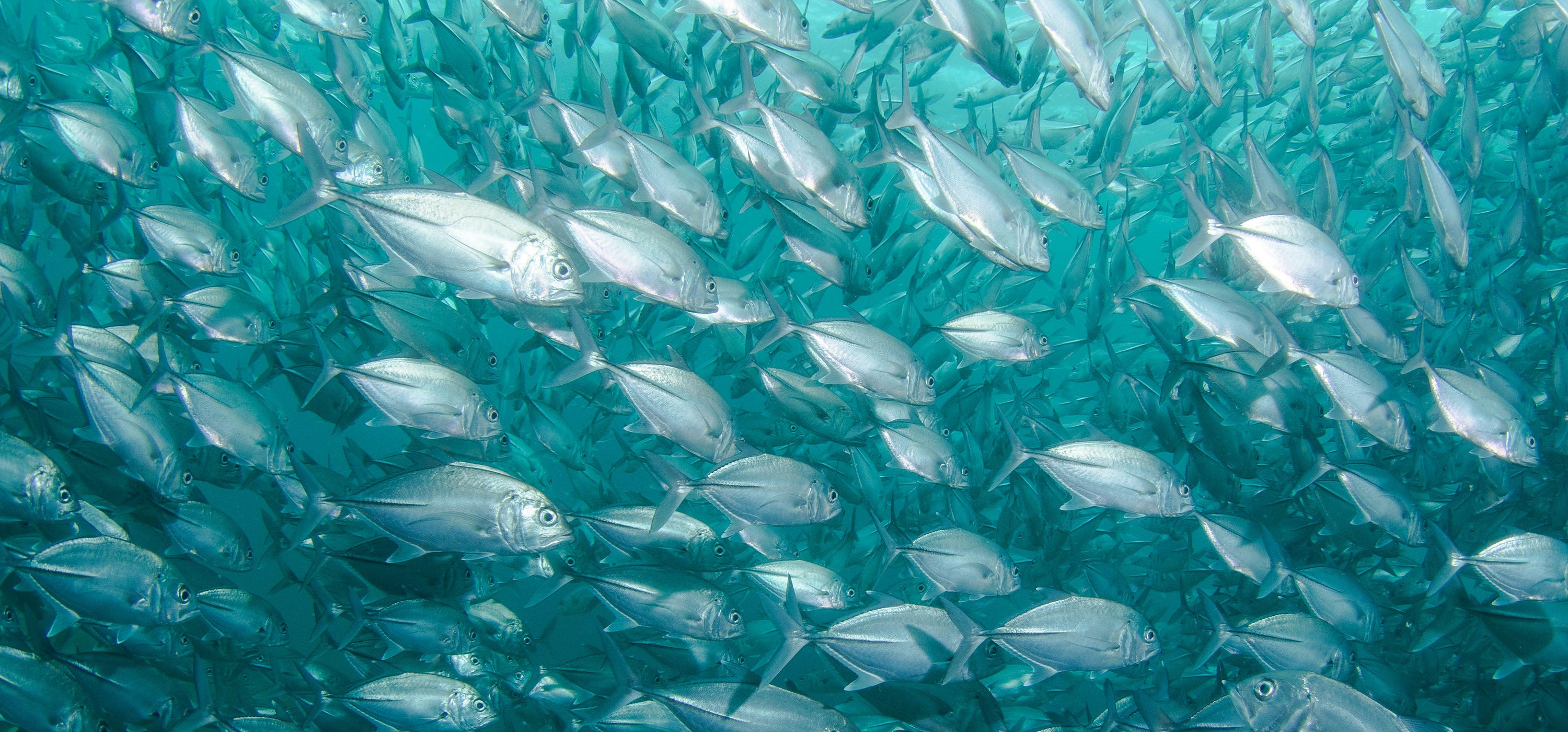
Seafood and marine algae are important sources of omega-3s. These essential fats contribute healthy eyes, brains, and hearts, and they help with many other issues from skin conditions to chronic inflammation. Fish is also the lowest-carbon source of animal protein. But a new review finds that, as our oceans warm, marine life may contain less omega-3s and more omega-6s, which we already typically get enough of.
How? It starts at the bottom of the food web. Marine algae are among the only organisms that can make these fats at all—everything else, from crabs to tuna to us, gets them second or third-hand. In warmer water, algae cells have to work harder to hold their shape, so they trade flexible omega-3s for stiffer saturated fats. As the oceans warm, omega-3s in algae fell by 8 to 34% and saturated fats rose by 10 to 22%, with the steepest changes at the highest temperatures.
And because every creature in the ocean is ultimately eating what algae produce, that shortfall doesn’t stay at the bottom. It travels up through the plankton, the shellfish, and the fish. Across every group the researchers looked at, the ratio of omega-3s to omega-6s fell as ocean waters warmed.

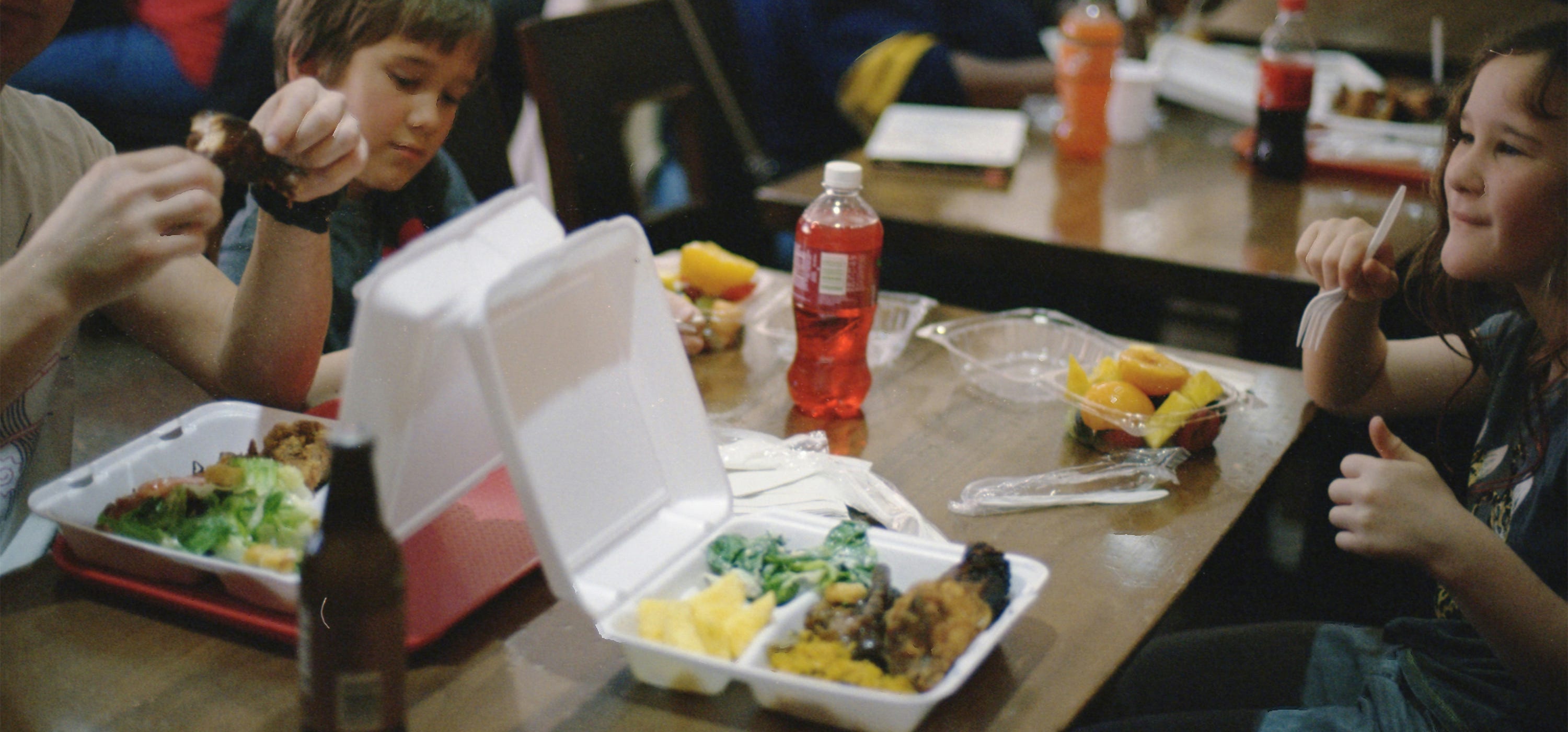
We eat plenty of meals we had no hand in planning—at school, at work, at church and more. Those kitchens serve more food in a week than any of us will cook in a year. This makes them one of the best places to change what ends up on the plate.
The hospitals above were open to adopting a plant-rich menu that cut emissions dramatically while improving nutrition and keeping patients happy. How? Because someone asked!
So this week, find out who plans the menu where your kids go to school, where you work, or where you worship, and ask them whether they’ve looked at adding more plant-rich and lower-carbon options. Sarah Dosanjh did just this when she was a senior at Milpitas High in California, helping convince her school district to add plant-based entrées the following year. She’s written up how she did it, and you can hear her tell the story here.
These examples show that you don’t need a plan, a budget, or a title to get things started. You just need to be the person who asks. And you don’t have to do it alone, either: organizations like Greener by Default and Coolfood already exist to help institutions make this shift.

In my latest catch-up with former Talking Climate guest editors, Adam Met and I discuss climate hushing, infighting over words and framing, and how a constant focus on what’s going wrong can distract us from the solutions already moving forward.
Click here to watch the highlights, and become a paid subscriber to watch the full video and support more conversations like this one.

Thurs., Oct 1 at 3pm ET— “Who’s really talking about climate change?” with the Talking Climate Collaborative—virtual; free; registration required