


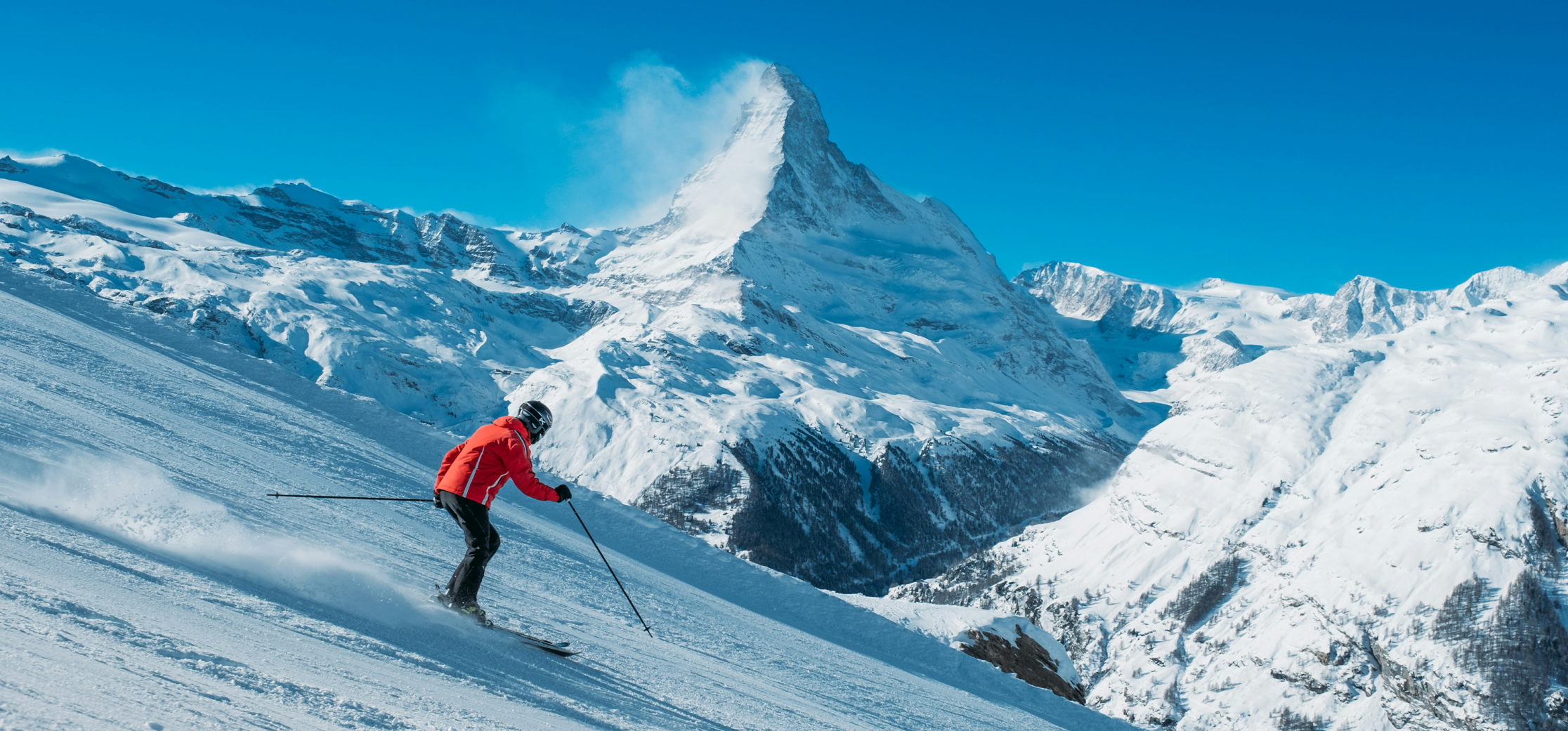
Snow and cold temperatures are essential for nearly every winter sport, and as the world warms, many athletes and Olympians are experiencing climate change firsthand. This is motivating some of them to become very effective advocates for climate action.
Protect Our Winters (POW), founded by professional U.S. snowboarder Jeremy Jones, is now active in 15 countries and includes everyone from Olympians to fans. Members regularly meet with elected officials to advocate for climate action and pressure sports’ governing bodies to cut emissions. This 2023 letter from Austrian POW member Julian Schütter, signed by more than 200 ski professionals, called out the International Ski and Snowboard Federation’s climate policies as inadequate and recommended concrete actions, including redesigning race schedules to reduce emissions from air travel.
Bea Kim, a 19-year-old snowboarder and Olympian from California, is another member of POW. She competes in the same places every year and has noticed firsthand the changing amount of snow on the slopes. “I couldn’t watch it happen and not say anything about it,” Kim explained on an episode of NBC Local’s “My New Favorite Olympian.”
Bea was 17 when she spoke at the United Nations about the need for climate action during the International Day of Sport. “Through my travels as a professional snowboarder, I’ve gone around the world and I’ve seen one common theme throughout,” she said. “The world is changing. The glaciers are melting that we’re actually riding on. Our winters are starting later. The weather patterns are becoming erratic. Each year we wonder if there will even be enough snow for us to compete and do what we love.”
Climate change shouldn’t be politically polarizing, she says. “It’s an issue of the human race and a battle that we should all be fighting together because the world doesn’t care what side of the aisle you sit on, and the world doesn’t care which way you vote, and climate change does not care about that. It’s going to change either way.” I couldn’t agree more!
The irony of fossil fuel companies like BP and Eni sponsoring the Olympics is not lost on athletes. Two days before the Milan-Cortina Winter Olympics began, Norwegian skier and filmmaker Nikolai Schirmer hand delivered a “Ski Fossil Free“ petition with more than 21,000 signatures to the International Olympic Committee’s head of sustainability. The petition calls on the IOC and the International Ski and Snowboard Federation to write a report that considers the ethical, environmental, and health implications of fossil fuel sponsorships in winter sports.
Nikolai is a freeride skier whose style of skiing is not currently in the Olympics. But he was also inspired to launch his petition, as he sees climate change imperiling the sport he loves. “The show goes on while the things you depend on to do your job—winter—is disappearing in front of your very eyes,” he said. “Not dealing with the climate crisis and not having skiing be a force for change just felt insane. We’re on the front lines.”
For more on the power of athlete’s voices in climate advocacy, check out this past issue of Talking Climate edited by Lew Blaustein from EcoAthletes.

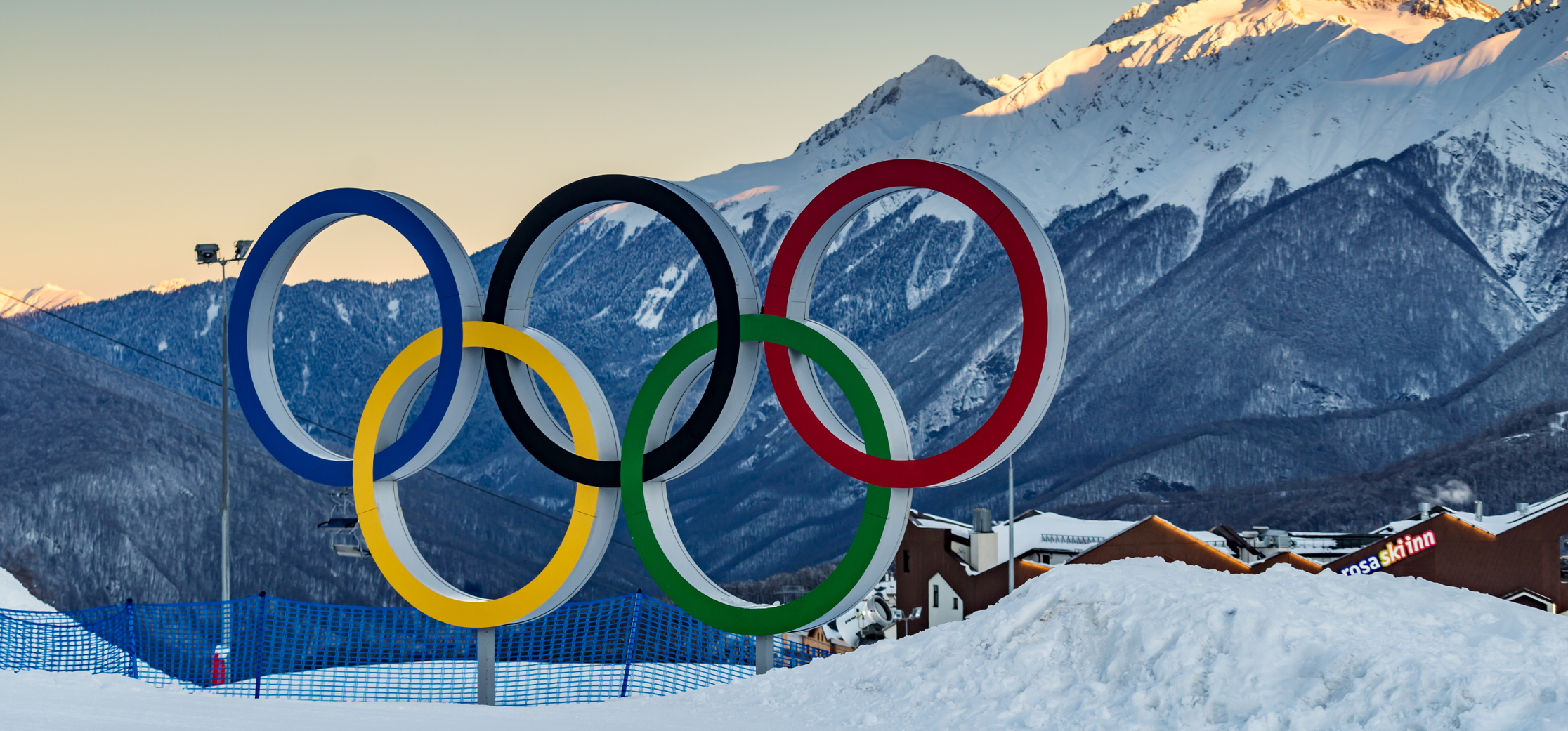
The future of Winter Games on a warming planet is becoming increasingly uncertain. A study led by the University of Waterloo’s Daniel Scott last year found that of the 93 locations that have hosted the Winter Olympics, only 52 are projected to remain viable in 25 years—and that’s under moderate climate change and average conditions. “By the middle of the century, we will probably have around 10 to 12 countries to have a cold enough climate to host Olympic snow sports,” said Karl Stoss, chairman of the IOC’s host commission.
It gets worse, though. Just four of those cities would have enough natural snow to host those events: Niseko, Japan; Terskol, Russia; and Val d’Isère and Courchevel in France. The others would depend on artificial snow to host the games, as was the case for the 2022 Beijing Games. Record low snowpack in Utah right now, future home to the 2034 Games, offer a glimpse of what that future might look like.
In Cortina d’Ampezzo, where this year’s skiing events are being held, average February temperatures are already 3.6C warmer than when the city last hosted the Games in 1956. In fact, all 19 cities that have hosted the Winter Olympics since 1950 are now, on average, more than 2.5C (nearly 5F) warmer.
The IOC is exploring whether to establish a permanent set of viable Winter Olympics locations and shift the Games to January, when it would be colder. But that won’t save them long term. “What are we doing to ensure the long-term viability of the Games?” asked POW’s Erin Sprague. “That comes down to solving climate change.”

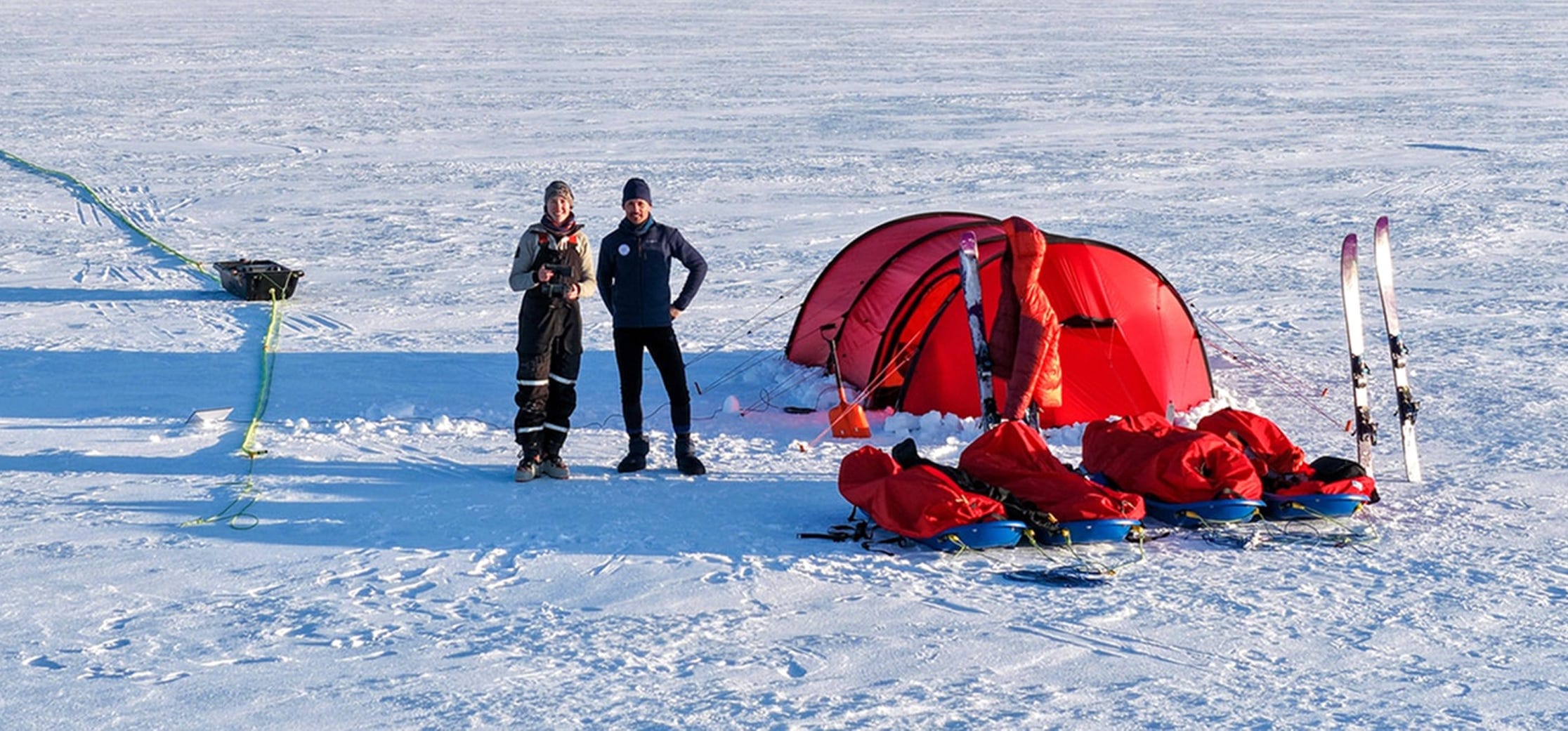
Dr. Heïdi Sevestre is a French glaciologist, National Geographic explorer, climate communicator, and renaissance woman who just kite-skiied 4,000 kilometers across Antarctica! Her teammate on this UNESCO expedition, dubbed Under Antarctica, was French explorer Matthieu Tordeur.
Over 80 days, they trekked from Russian research station Novolazarevskaya to Union Glacier via both the Pole of Inaccessibility (the furthest inland location in Antarctica, which features an abandoned Soviet research station and a snow-covered bust of Lenin) and the South Pole. During their journey, Heidi and Matthieu towed ground-penetrating radar to measure snow accumulation and ice layers, gathering data that will deepen scientific understanding of Antarctica’s response to a warming climate.
This journey marked the first kite-ski expedition dedicated solely to polar science, as well as the first-ever French crossing of the Antarctic interior by kite-ski. For her accomplishments, Heïdi was awarded the first-ever Shackleton Medal for the Protection of the Polar Regions.