

Did you know Talking Climate is also a weekly podcast? Click here to listen to this episode on your favorite podcasting platform!
Two years ago, I wrote about how Xcel Energy was building a 710-megawatt solar farm to replace Minnesota’s largest-emitting coal power plant, re-using the same infrastructure that the coal plant used to connect to the grid.
Well, thanks to a tip from “Bad Astronomer” Philip Plait, I’m happy to report that this solar farm, which boasts 1.7 million panels, is now up and running! A proposed fourth phase of the project could increase the generating capacity to 910 megawatts, enough electricity to power around 190,000 homes.

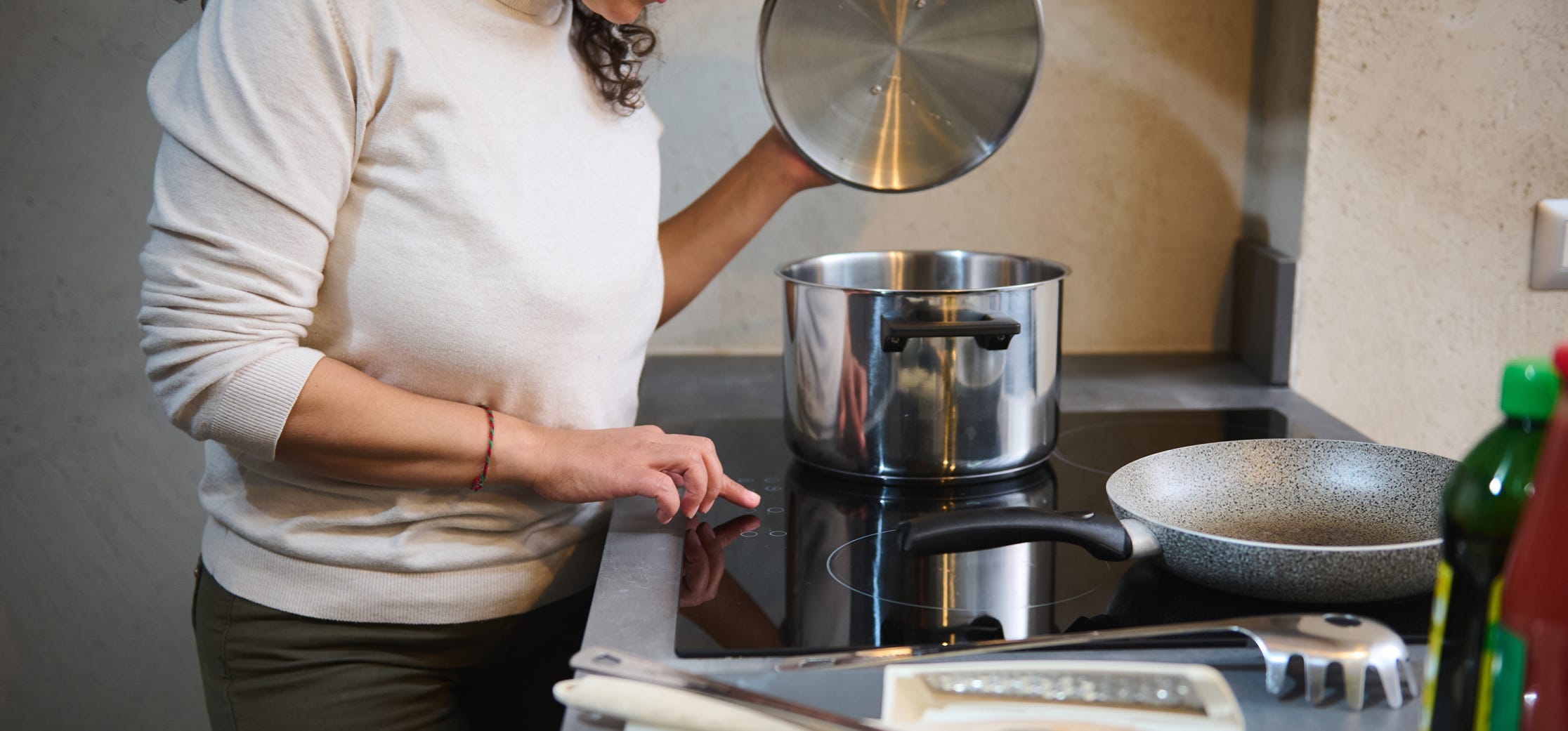
I’ve warned before about gas stoves and the health risks they pose (even when they’re not in use!). If you have asthma or you know someone who does, the first thing to check is whether they have a gas stove... because replacing it with an electric option could make a huge difference for their health.
A new study from Ohio that found when people with poorly controlled asthma swapped out their gas stoves for electric ones, hospital admissions and missed work or school days dropped by 70 percent. “Improvements were about twice as much as you typically see with medical treatment of asthma,” said the project’s leader, Professor Ash Sehgal of Case Western Reserve University.
This isn’t all good news, though. The study was supposed to run for three years and pay to replace gas stoves with electric induction ones in 1,200 homes. But the US government terminated the grant in May 2025, five months after the study began, and rolled back Biden-era rebates for those hoping to switch out their appliances for greener options.
As economist Gernot Wagner mentioned when he guest-edited Talking Climate, you can buy an induction cooktop for under $60 at IKEA, so this isn’t a deal-breaker. But full stove + oven induction units cost at least ten times more than that, which is why rebates matter!


The number of heat stress days people are experiencing is climbing rapidly and a new study has factored in humidity, wind, and solar radiation alongside temperature to measure heat the way people experience it.
Compared with the 1970s, an additional one billion people now experience at least one day of extreme heat stress each year (defined by the study as a “feels-like” temperature of at least 46°C, or 114.8°F). “Extreme ‘feels-like’ temperatures have become more frequent on every continent, and the spatial footprint of hazardous heat has expanded, exposing previously unaffected regions,” the study found.
Our bodies need nighttime to recover from this heat, but the study found that nights are actually warming faster (0.32°C per decade) than days (0.27°C). When it stays hot at night after a dangerous day, our bodies get no relief.
And there’s more bad news: the dataset the scientists used in this study doesn’t capture microclimates, including the effects of urban heat islands, which means the study’s estimates likely underestimate the risks that city dwellers face.

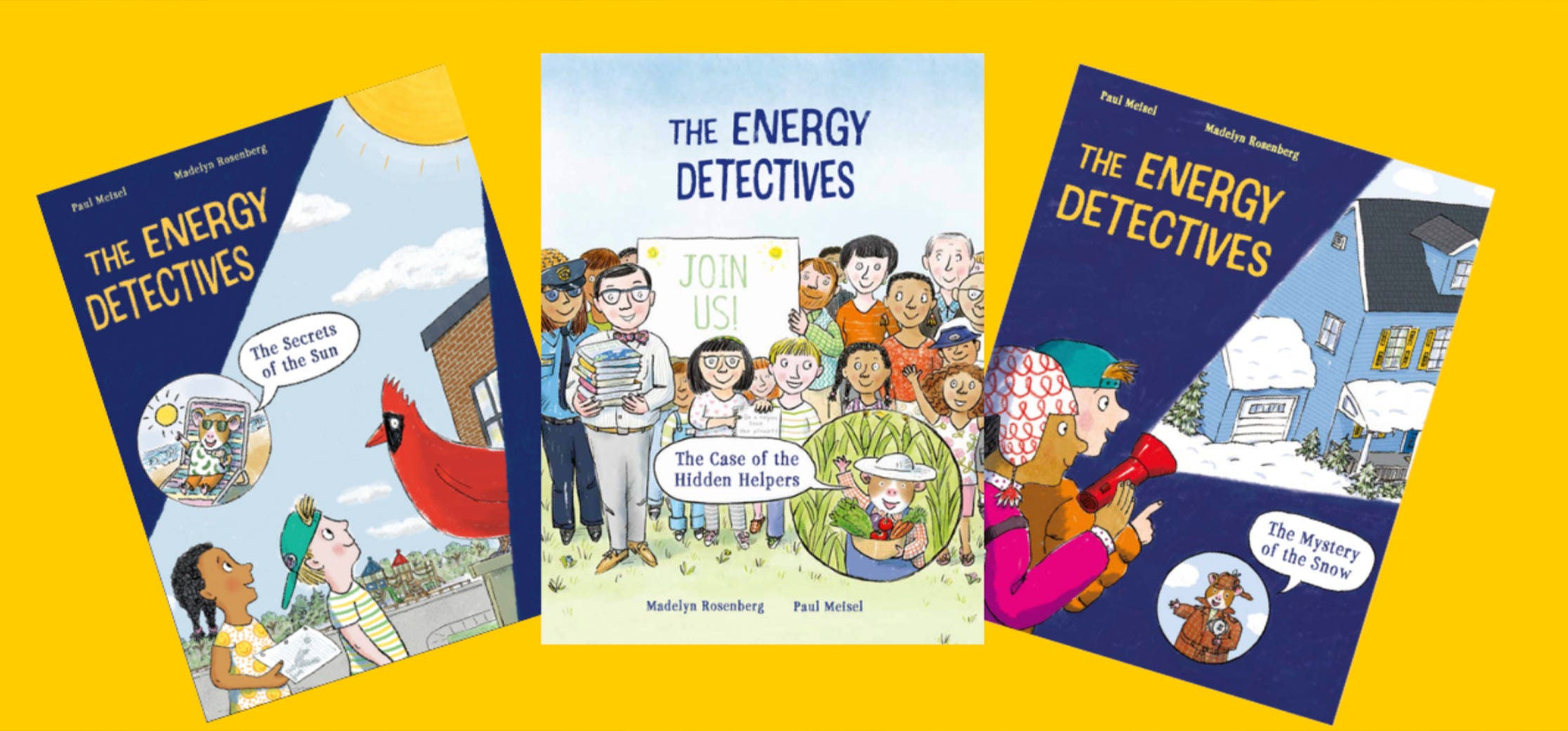
Talking Climate reader Uli Nagel wrote to me this month with big number: 300,000. That’s how many free children’s books her program has now sent to elementary students across the United States.
Uli is the co-founder and director of the Cooler Communities Climate Education Program. In 2023, they launched Energy Detectives to get books and lesson plans into elementary classrooms at no cost to teachers. In the coal state of West Virginia, close to one in five elementary students has now received one.
The series, written by Madelyn Rosenberg and illustrated by Paul Meisel, teaches kids where their energy comes from, how to waste less of it, and what those panels on the neighbor’s roof are actually doing. These books give kids a story that helps them understand our energy future, and their own power to shape it.
Uli and everyone else behind the program did not wait for permission or a policy change or the perfect moment — they just started, and kept going, and that’s exactly the kind of climate work that gives me hope.
Thank you for this, Uli, and keep up the good work!
Wow, switching to an electric stove gave over twice the improvement that inhalers gave, is that right? If I were an older doctor, I would feel embarrassed that I was giving my pts inhalers for all those years *instead of telling them to switch out their gas stoves for an electric ones. Better late than never, but I would have wanted to see this study done decades ago. That's a good argument for committing federal funding to environmental and building health studies, not just traditional pharmaceutical ones.
Our induction hob is a simple step in reducing emissions, and it is much easier to clean!