


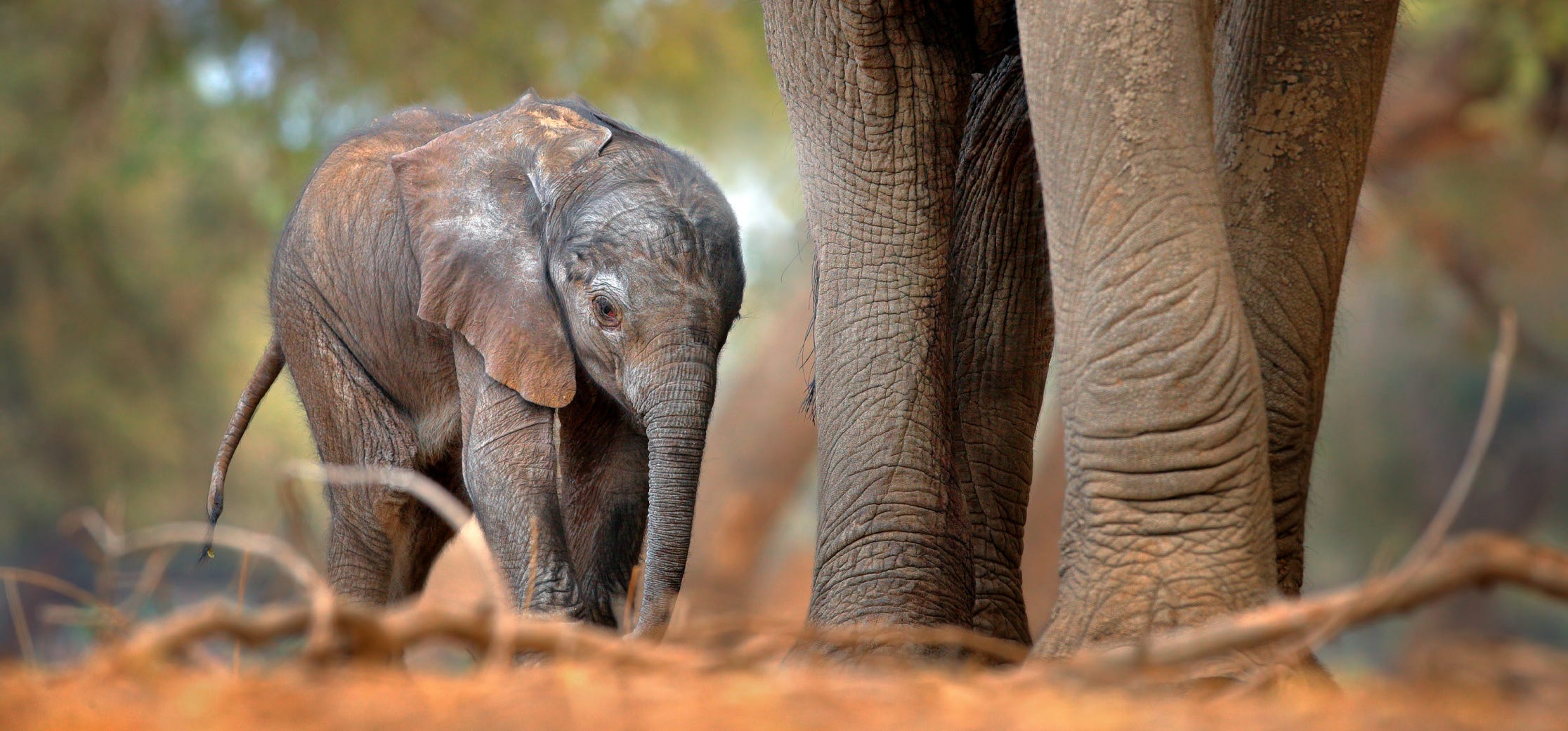
Unchecked, climate change and biodiversity loss are projected to lead to what many scientists are calling the “sixth extinction.” But we’re increasingly realizing that wildlife is part of the solution to climate change, as well. Wild animals help sequester carbon, cycle nutrients, support ecosystems, and can even directly mitigate global warming. How? Read on!
In Africa, forest elephants—the smallest of the world’s three elephant species—help forests sequester nearly 2500 tonnes of carbon during their lifetime thanks to the way they forage. One study found that forests in the Congo Basin that are home to elephants store 7% more carbon than forests that lack these “Gardeners of the Congo.”
In the oceans, kelp forests tended by sea otters can sequester up to 12 times more carbon than forests not tended by them. That’s because sea otters love to eat sea urchins, who can chow down on entire strands of kelp if left unchecked.
And whales are like “giant redwoods of the ocean.” Over their lifetimes, they sequester atmospheric carbon in their bodies which falls to the sea floor when they die. In addition, by feeding deep in the ocean and expelling waste near the surface, whales stimulate phytoplankton growth, which takes up even more carbon.
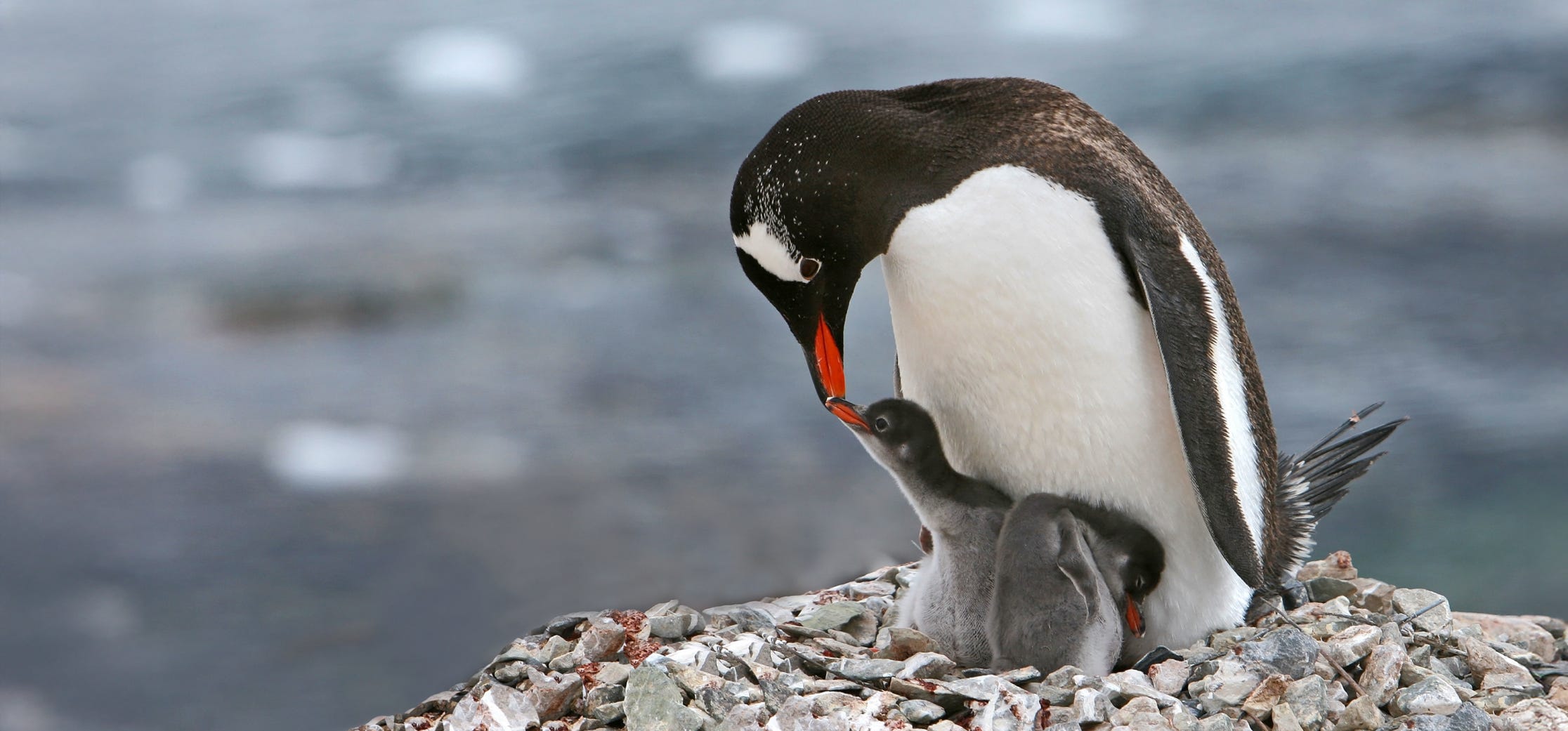
In Antarctica, penguins help keep things cool. The ammonia particles in their guano aid in the formation of low clouds, which reflects some sunlight back out into space.
And I’ve written before about how beavers, if left to their own devices, can create new wetlands that sequester carbon and provide critical habitat for other creatures.
These are just a few of the many examples showing how healthy wildlife helps regulate carbon and climate. That’s why it’s such great news that, at the meeting I attended in Abu Dhabi last October, the IUCN (that’s the International Union for Conservation of Nature) adopted a resolution that recognized the role wild animals play in climate mitigation.
Animals are amazing: if we protect them, they can protect us.

The faster the planet warms, the more it’s harming wildlife. Risks like habitat loss or heat stress are more obvious; but scientists are also detecting subtle but equally worrisome impacts on biological mechanisms that determine reproduction, food availability, and even sex.
The sex of many lizards, snakes, crocodiles and more is determined by temperature: and each species is impacted differently by warmer temperatures. Hotter temperatures mean more female turtles, but more male alligators and crocodiles. As this article explains, in a warming world, “entire generations of sexually reproducing reptiles will be dramatically skewed male or female… [with one study] predicting nearly single-sex generations of alligators by the year 2100.”
Climate change has also shifted breeding season for Antarctic penguins forward by almost three weeks, according to a new decade-long study. “We are very concerned because penguins are now breeding earlier than in any known records,” the report’s lead author, Dr. Ignacio Juarez, says. “Penguins could end up breeding at times when their prey is not available yet. This could result in a lack of food for the penguin chicks in the first weeks of their life, which could be fatal. Even if the penguins could match their prey’s behaviour, we can’t expect them to keep this pace up much longer.”
These examples show how profoundly climate change is reshaping life itself. From skewed sex ratios to mistimed breeding and vanishing food supplies, the unprecedented rate of human-caused warming is unraveling relationships that species have depended on for millennia.

When we take climate-positive actions, those choices can ripple beyond our own lives. What we do changes us: and what we say and show changes others around us, too.
That’s the biggest reason why personal actions matter: not because any one behavior will solve climate change on its own, but because, as I explain here, they help shift social norms, build collective efficacy, and inspire others to act as well. Each choice we make, big or small, can be a catalyst for broader change.
That’s why, every year, I adopt one or two new climate-friendly habits. Some have been small: like installing a smart thermostat to save energy, finding new plant-based recipes to add to my regular cooking rotation, or swapping out laundry and dish soap for plastic-free and petrochemical-free alternatives. (Yes, did you know that most commercial detergents are petroleum-based?!)
Some changes have been bigger: like selling the freezer and changing my shopping habits to cut our food waste, signing up for a wind-energy plan after we sold our home with the solar panels, or going car-free for nearly three years. The biggest change I’ve made was to completely re-think how I travel. Over a decade ago I decided to shift well over 80% of the talks I give to virtual talks and only travel in person when I have a bundle of events in the same place, to make the time and carbon worth it. I admit this can get a bit crazy sometimes: at Climate Week in NYC this year, I racked up a combination of 48 meetings, panels, talks, and other events! If you’re interested in more of my thoughts specifically about travel, I talked to National Geographic about this recently.
Overall, though, I know that the most important thing any of us can do about climate change has nothing to do with our personal carbon footprint. Rather, it’s sharing with others why climate change matters and what we can do about it. So this year, my goal is to systematically re-think and re-work how I do climate communication. I want to ensure it is as effective and collaborative as possible.
Pulling plugs is never easy, but I’ve already exited one project that was taking up time and energy without results, and identified two new ones to lean into that I hope will have greater impact—one of which is adding three new video series to Talking Climate. I’m catching up with past guest editors in What’s The Latest, sharing my thoughts with Tea With Katharine, and responding to troll posts with Hot Takes, Cold Facts. If you haven’t seen them yet, please check them out and let me know what you think!
Many of the actions that help address climate change also make our day-to-day lives better, healthier, more affordable, and more connected. So your action this week is to find a resolution that makes sense with your own life and combine your personal resolutions with climate actions.
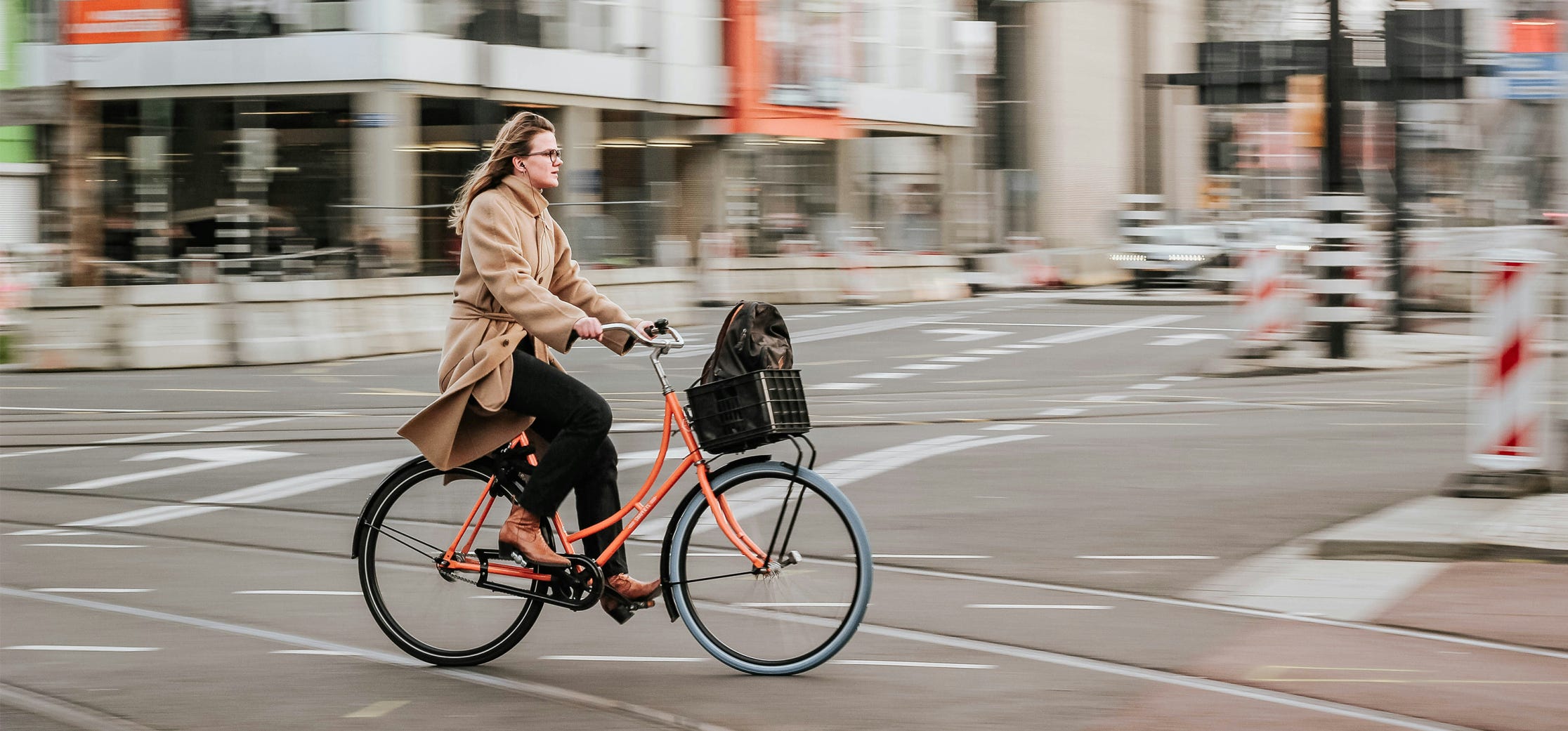
Want to get healthier? Choose plant-based recipes or switch to biking or walking whenever possible. Want to make this the year of financial responsibility? Move your money to a bank that invests in green energy and divests from fossil fuels. Want to read more and scroll less? Make (at least) one book you pick up this year be about climate action.
Want to cut your doom-scrolling short and instead focus on change that catalyzes action? (Don’t we all need this?!) Seek out climate solutions by following this newsletter or any of the creators I mention here, and share them with people you know. Want to make new friends or be more social? Consider joining a climate action group to amplify your voice.
Need more inspiration? Take a look at the 6 most impactful actions you can take and check out this newsletter archive. There are so many different ways to engage in climate action. But don’t forget:
The most important thing you can do about climate change is something, anything: and talk about it!

Thurs., Jan. 29th at 8pm ET - A special webinar with OMA Green is Health - virtual, free, registration required
Thurs., Feb. 19th at 6pm MT - Climate Change, Colorado, and the Power of Collective Action with Colorado Mountain College; in person, free