


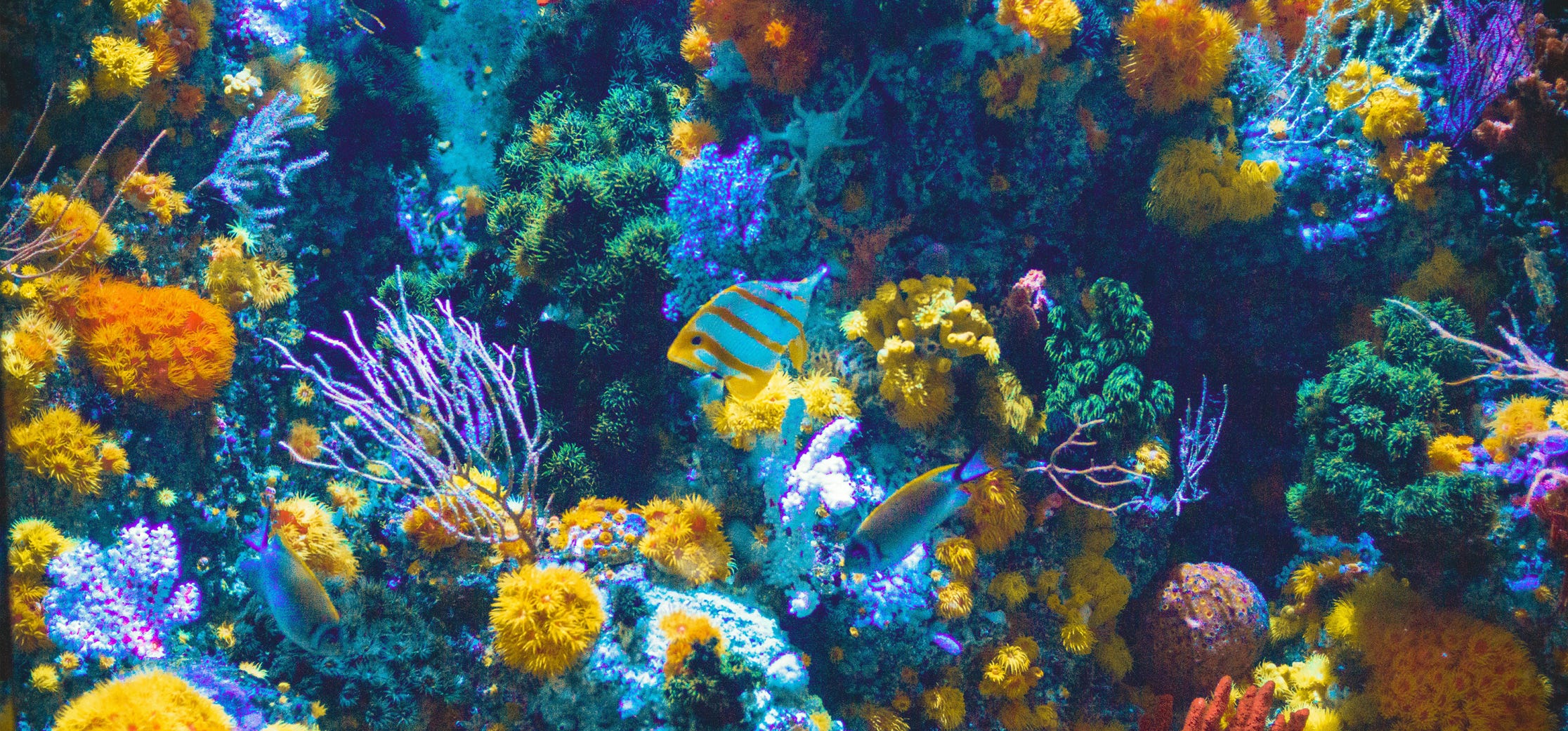
Papua New Guinea just announced the largest marine protected area in its history: a nearly UK-sized stretch of ocean in the Bismarck Sea that will be fully protected from fishing and other destructive activities.
The new sanctuary, known as the Western Manus Marine Protected Area, will safeguard one of the most biodiverse marine regions on Earth while helping the country move toward its goal of protecting 30% of its waters by 2030. It also supports ocean resilience, as climate changes and ocean waters become more acidic.
The region sits within the Coral Triangle, often called the global epicenter of marine biodiversity. It’s described as a “marine highway,” where underwater mountains, ridges, and canyons connect coral reefs, deep-sea ecosystems, and open ocean habitats. The sanctuary will protect endangered reef sharks, dolphins, whales, manta rays, seabirds, and many other species.
Recent expeditions have documented deep-sea creatures never before recorded in Papua New Guinea’s waters, like the yokozuna slickhead. And if you haven’t heard of the amazing ways scientists can now sample ocean water to detect the DNA of both known and unknown species – known as eDNA - check out this article from the Smithsonian. It almost seems like science fiction!
What makes this news especially encouraging is that the protection effort was designed around both nature and community needs. Research from other large marine reserves suggests that healthy protected ecosystems can actually increase nearby fish populations through “spillover,” replenishing fisheries outside reserve boundaries. Leaders in Papua New Guinea framed the sanctuary not just as environmental policy, but as an effort to protect food security, local livelihoods, and what one official called their “blue heritage” for future generations.
That’s at least four wins, by my count.


Last week, I covered NPR’s Climate Solutions Week—one of my favorite weeks of the year. This week, I have a sad update. NPR chief climate editor Neela Banerjee announced that she had been laid off, and that the network’s climate desk would no longer exist as a separate team. The cuts are part of a larger round of 10 NPR journalists laid off and at least 18 more taking buyouts after Congress clawed back $1.1 billion in public media funding.
If this feels familiar, it’s because we’ve seen it before. Over the past year, CBS News gutted its own climate unit, laying off most of the team, including its head, Tracy Wholf in January and its last climate reporter, David Schechter (who did this amazing episode of Verify with me, six years ago) in April. In the last few months, climate reporters Sammy Roth left the LA Times and Chase Cain left NBC.
One by one, the newsrooms built to connect climate change to everyday life are being dismantled. Like NPR’s desk, that CBS team didn’t just report the news; it trained local stations across the country to cover climate in their own communities. This is bad news not just for journalism, but for all of us.
Most people are worried about climate change, but less than half understand how it will affect them. Bridging that head-to-heart gap (what researchers call “psychological distance”) is absolutely key to turning concern into action.
For years, that’s exactly what NPR’s climate journalists did—helping local stations connect the science to the lived experience of the communities they serve, showing how a warming world is reshaping daily life in ways that feel immediate and personal, not distant or abstract.
The climate crisis doesn’t get smaller when we stop covering it. It just gets easier to ignore.

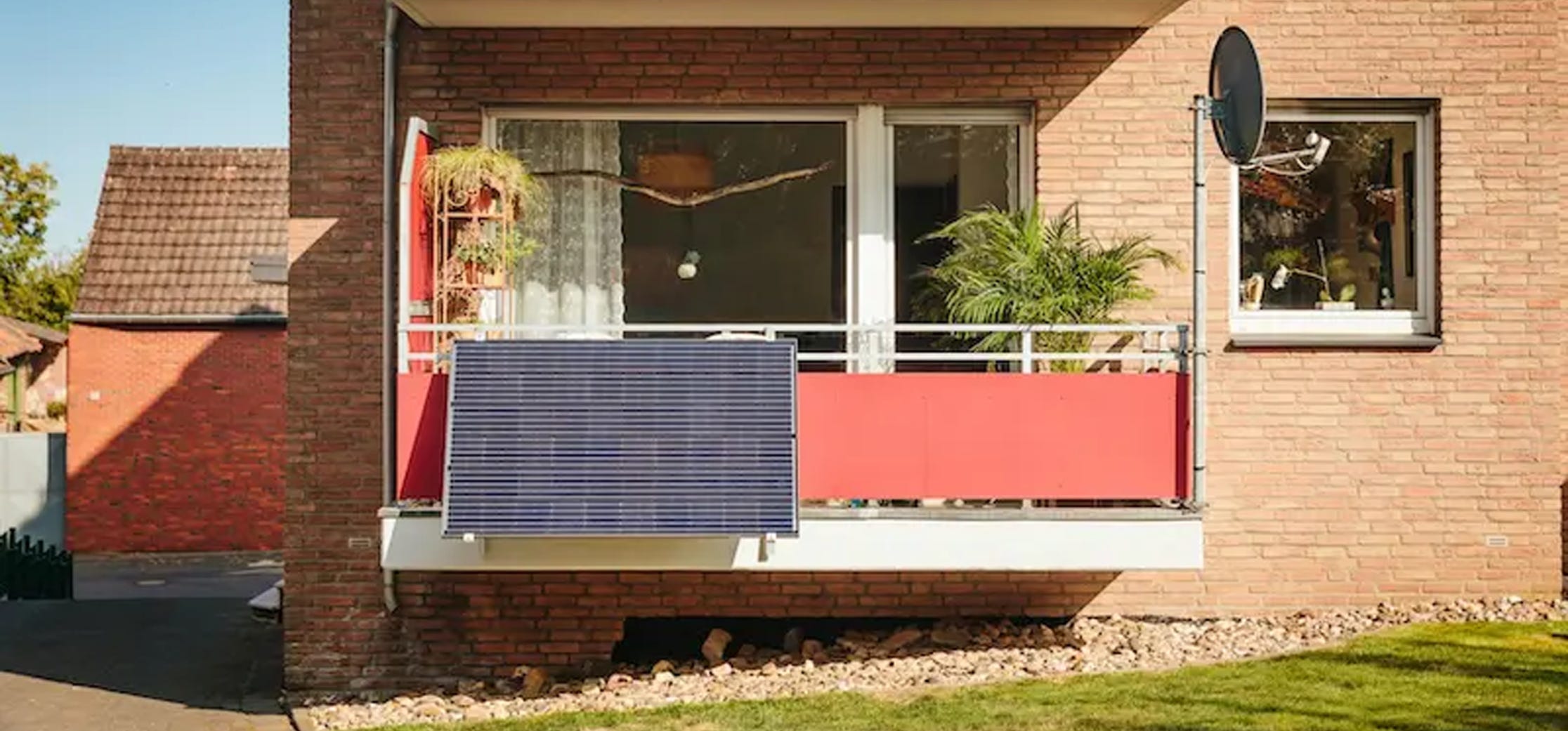
Want to switch to solar—but don’t own a home or can’t afford a major rooftop installation?
Consider joining the growing number of people experimenting with “balcony solar”: small plug-in solar panels designed for apartments, condos, balconies, and other small outdoor spaces. In parts of Europe, these systems have become so common that they’re treated less like major infrastructure projects and more like household appliances. Some consumers can even buy plug-in solar kits from IKEA.
Balcony systems will not power an entire home; but they can help lower electricity bills while giving renters and apartment residents a way to participate directly in the clean energy transition. Some systems can be installed in minutes and cost far less than traditional rooftop solar.
Whether balcony solar is allowed depends heavily on where you live. Germany and Belgium adjusted regulations to make plug-in systems easier to use, while many places in North America still have unclear rules or building restrictions that make adoption difficult. Researchers and advocates say outdated regulations are one of the biggest barriers slowing the technology’s growth.
So my “what you can do” this week is two-fold:
If balcony solar is available where you live, consider looking into it for yourself or sharing the idea with someone who rents or lives in an apartment and assumes solar is out of reach.
But if you live in an area where regulations are a barrier, use your voice to call for change. Regulations around home energy systems are shaped by local governments, local power companies, and local building rules—which means public pressure can help open the door to wider access.
As past guest editors Brigid Shea and Adam Met both emphasized, change often starts close to home. Paying attention to local elections and speaking up at public meetings can help push clean technologies from niche experiments toward more widely accessible options.
Thanks to Mitchell Beer at The Energy Mix Weekender for sharing this story!

TODAY June 4 at 11am EDT - What We Don’t Know, and Why It Matters, a plenary presentation to the Canadian Meteorological and Oceanographic Society (CMOS) 60th Congress -- which is being held 100% online this year!
Tues June 16 at 2pm ET - Where Does Climate Action Go From Here? With Project Drawdown - webinar
Wed June 17 at 5:30pm BST - The Financial Times Climate & Impact Summit - virtual presentation to an in-person event in London; prices vary