

Last week, I shared some ideas for joyful and sustainable gifting and wanted to give you one more resource: this climate-friendly gift guide crowdsourced by artist Nicole Kelner.
Categories include eco-friendly brands and products, online platforms where you can buy pre-loved products, experiences you can do with family and friends, gifts that don’t cost money, and kid’s presents. And I have to say, Nicole Kelner’s prints make amazing gifts as well. My favourites are, “The ABCs of Climate,” and “What climate solution are you?” (I’m a heat pump!)
And don’t forget - Talking Climate now includes a weekly subscriber-only video series that brings the science and stories to life. If you know someone who’d enjoy a thoughtful, hopeful take on climate and solutions, a video gift subscription on Substack or Patreon makes the perfect holiday present.

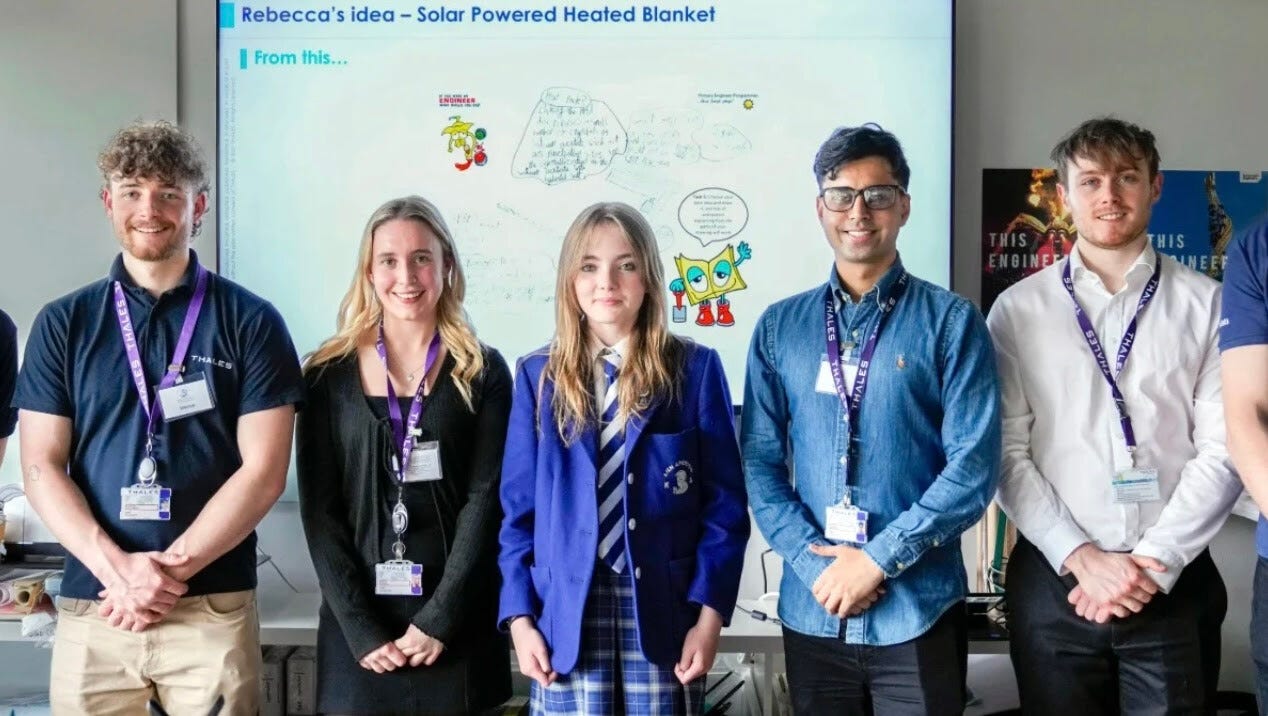
Innovations in clean energy are speeding up each day, and here are just three examples.
Rebecca Young is a Scottish student who invented a solar blanket to help keep unhoused people on the streets of Glasgow warm overnight. Heated blankets typically require access to power, but Rebecca designed a blanket that can be charged with small solar panels and stored in a backpack. “During the day, the heat from the sun can energise the solar panels and they go into a battery pack that can store the heat,” 12-year-old Rebecca told the BBC. “When it’s cold at night people can use the energy stored in the battery pack to sleep on.” The invention earned Rebecca a commendation medal in a UK-wide contest called the Primary Engineer MacRobert Medal competition and Time Magazine named Rebecca one of its “Girls of the Year” for her efforts – how amazing is that?
Nearly every month now, I hear about another church making the switch to renewable energy. Just last month, retired Iowa State Senator Rob Hogg shared that Good Shepherd Lutheran Church in Decorah is now powered and heated by geothermal energy, rooftop solar, and three five-ton heat pumps – plus a “solar pergola” over the patio. They’re now 100 percent carbon free. And last week, NBC climate reporter Chase Cain told me he happened to visit Incarnation Lutheran in North Oaks, Minnesota on the very Sunday they unveiled their new solar array. The organizer told him that my book Saving Us helped inspire their decision to make the switch! Even more incredible.
Of course, having solar or heat pumps isn’t enough on its own — we also need to use our energy efficiently and avoid wasting it. That’s exactly what SOLshare discovered in Bangladesh. The country had installed 2.8 million home solar systems by 2014, yet much of that electricity was going unused. SOLshare’s smart peer-to-peer microgrids changed that by allowing households to trade electricity based on their needs. “We created a platform that connects and harnesses these lost resources, linking thousands of homes and microbusinesses into solar P2P microgrids,” explained SOLshare CEO Sebastian Groh. So smart!

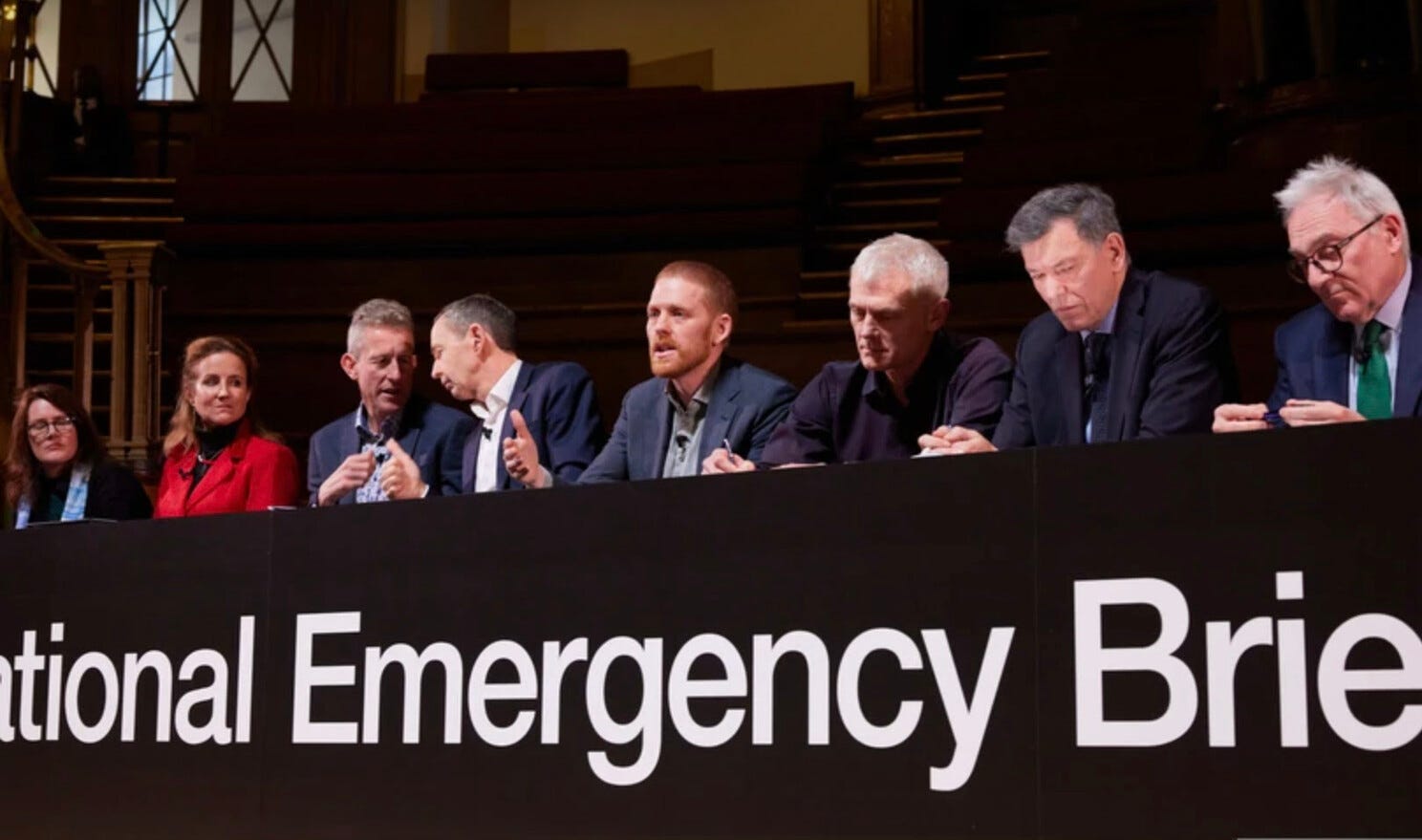
Two weeks ago, the UK received its first-ever National Emergency Briefing on the climate and nature crisis. This event was not organized by the government, but rather by nine experts in climate science, risks, and solutions, who wanted to warn Members of Parliament and the House of Lords about the risks now unfolding.
Representatives from business, cultural, faith, sports, and the media were also in attendance to hear about the real-world ways climate change is already affecting our lives. Speakers like Hayley Fowler, an expert in climate extremes, Paul Behrens, who studies food systems, and Hugh Montgomery, an internal medicine specialist, clearly laid out the serious risks climate change poses to the UK’s economy, food, public health, and national security.
In her testimony, biodiversity expert Nathalie Seddon emphasized how nature should be considered critical infrastructure. “Without a living healthy biosphere there is no stable economy, no food or water security, and no public health resilience,” she said. Others like Tim Lenton, whose newest book on how positive societal tipping points can catalyze change is currently in my reading pile, emphasized both the risks of inaction but also the hopeful tipping points already within reach.
For more, see this post from The Conversation and watch videos of the briefing here.

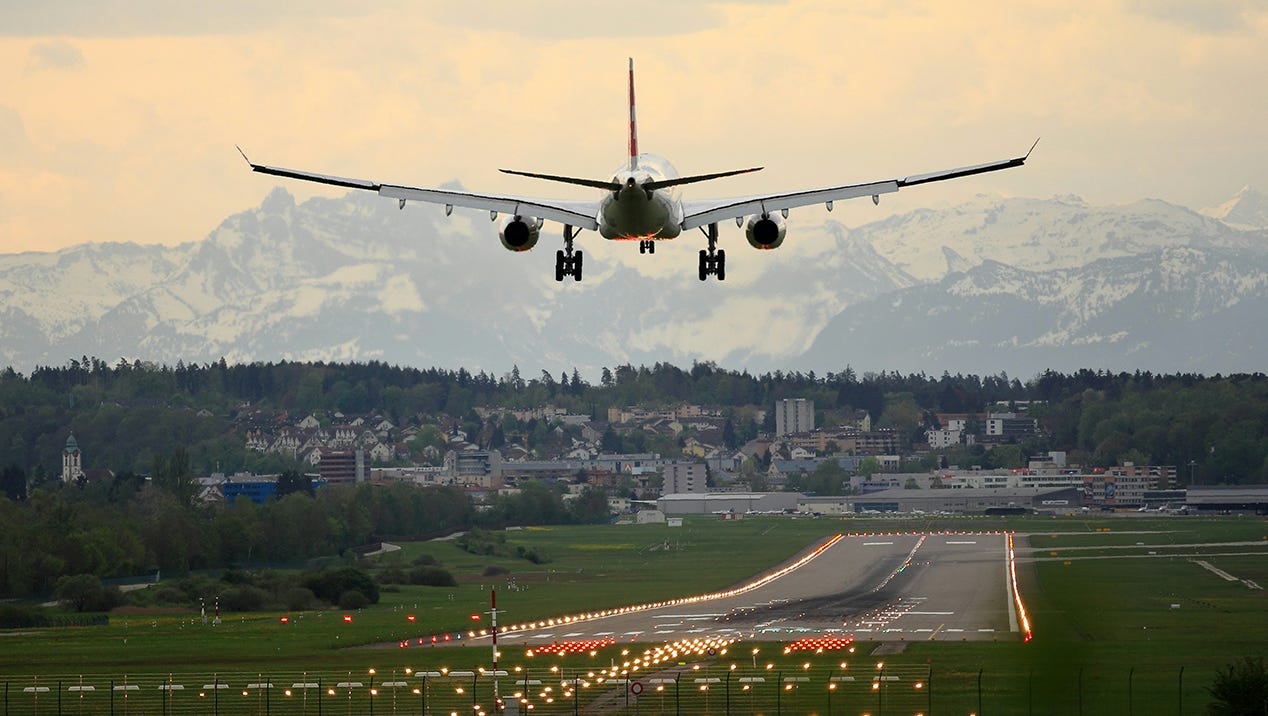
If you’re traveling for the holidays this year, especially by air, you’re not alone in wondering how to balance the importance of seeing loved ones with the concern that flying carries a high carbon footprint.
The goal isn’t to feel guilty about travel that matters, but to be thoughtful about what we can do. Do you have to travel, or can you take a staycation? If not, are you able to take the bus or train, or drive? If you have to fly (which I do), can you take a direct flight, to cut down on the outsized share of emissions that happen during takeoff and landing?
If you’re able, consider offsetting the emissions from your trip. I use Climate Stewards for my own travel, where contributions go to community projects ranging from clean stoves to forest restoration. Talking Climate reader Robert Kahn recently shared another option: Climate Action Now’s holiday Trees for Travel program. It lets you calculate the emissions from your travel and support tree-planting projects that store carbon, restore ecosystems, and provide income for local farmers in Kenya.
Offsets aren’t a long-term solution, of course. Ultimately, we have to reduce impact at the source. That’s why innovations such as smart flight tracks that cut contrail formation (yes, those white tracks you see in the sky are responsible for nearly half the climate impact of flying!), electric planes, sustainable aviation fuel, and alternate travel options, from high speed rail to airships are so important. For now, though, offsets are a stopgap, a way to acknowledge the impact of necessary travel while contributing to positive, community-centered climate action.
Making—and talking about—thoughtful choices, rather than trying to achieve individual perfection, are what move us toward a better future. That applies not only to our travel, but to every choice we make in life!