

Earth Day is one of the few moments each year when people from all around the world celebrate our shared home. This week, as I was pulling these stories together—from restoring land to cleaning up our oceans—I noticed something unexpected. Not about any one topic, but rather what connects them all. See if you can spot it too 😉

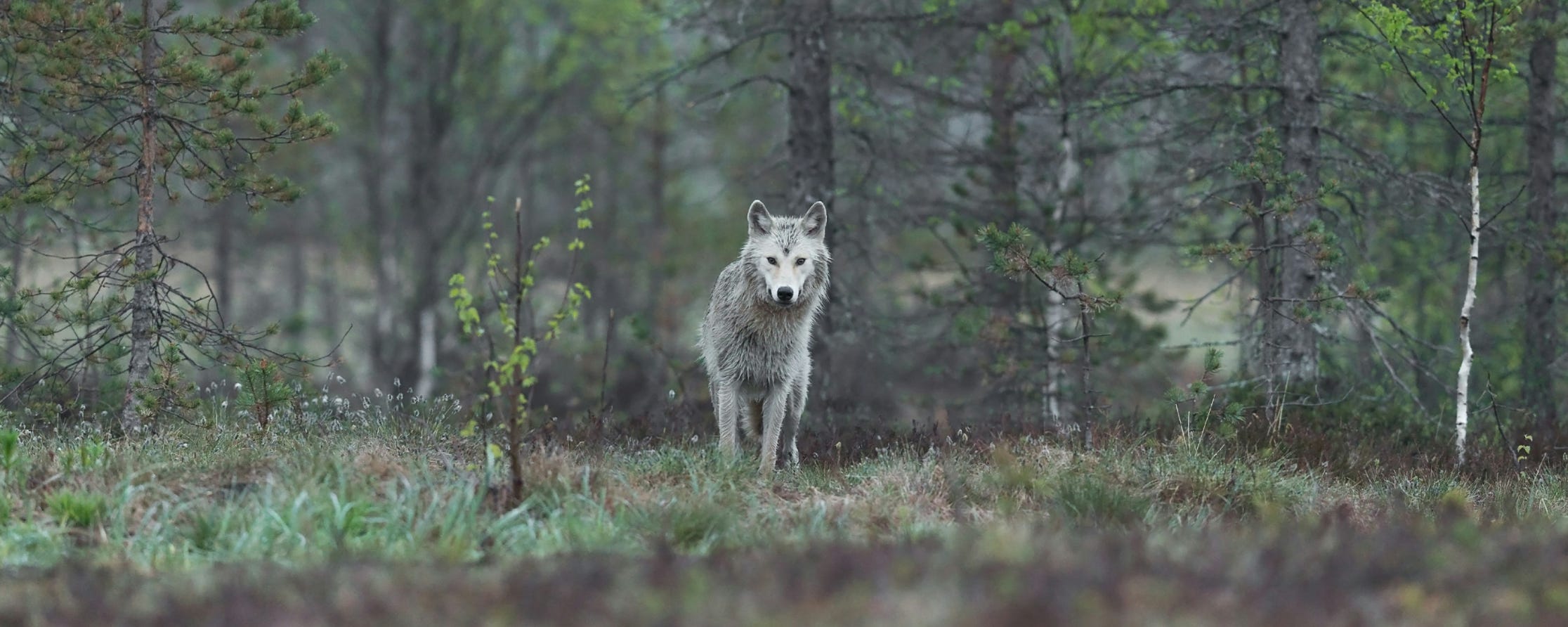
Wildlife wins: Around the world, rewilding efforts are bringing ecosystems back to life. Along coastlines and rivers, wetlands are buffering floods. In North America, large mammals like wolves and bison are returning to their former habitats. In Bangladesh and India, communities are restoring forests and rebuilding wildlife corridors after conflict and deforestation. Even forests in Brazil that were fragmented by agriculture and urban infrastructure are recovering through careful reforestation efforts using private lands.
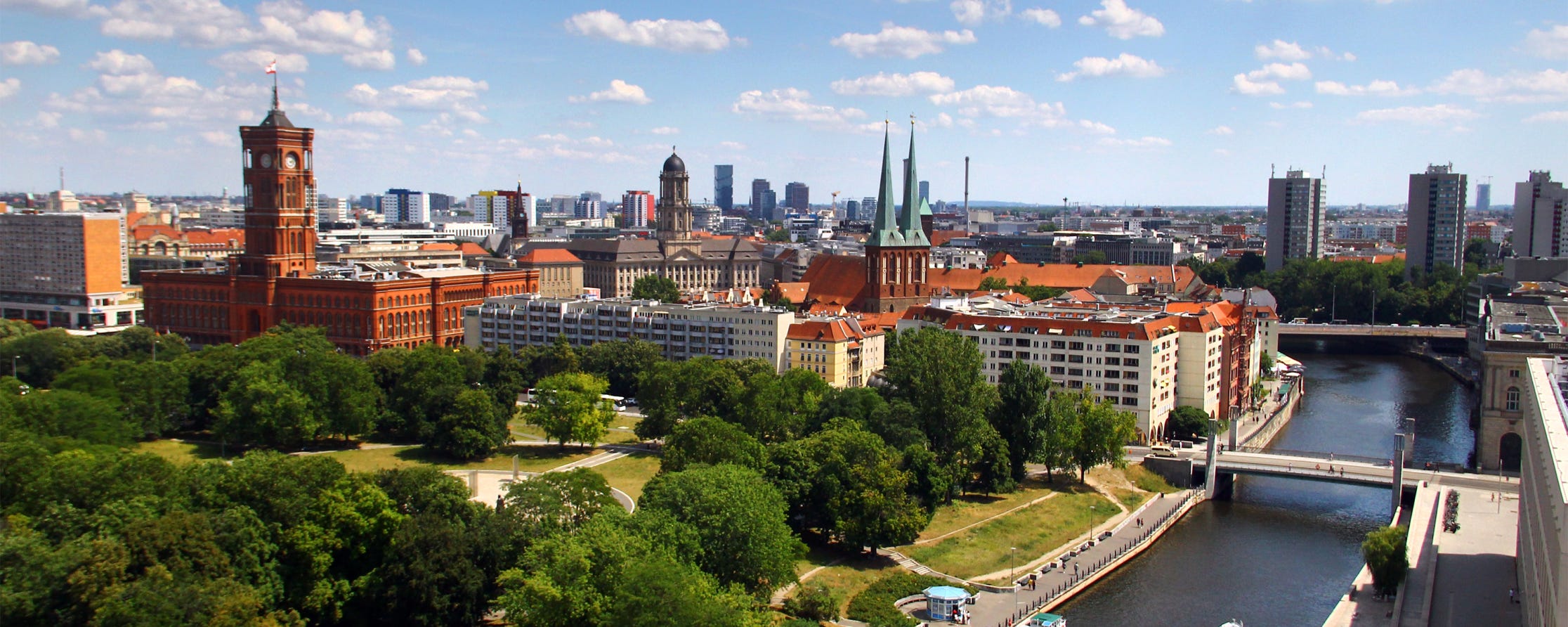
Greening efforts: Cities and states are going greener. Today, green space makes up nearly a third of Berlin’s area. I’ve written before about MedellÍn’s green corridors that are keeping the city cool even as global temperatures rise. And when New York state’s ambitious push to plant 25 million trees stateside couldn’t find enough trees, The Nature Conservancy stepped up to create a tree nursery incubation program.
Around the world, “pocket forests” and urban rewilding efforts are turning small spaces into high-impact ecosystems. When I wrote about tiny forests two years ago, so many of you wrote in to tell me about efforts in your own community that I had to write a full update the next week! And these projects don’t just look nice—they cool neighborhoods, filter pollution, and even create wildlife corridors in cities.
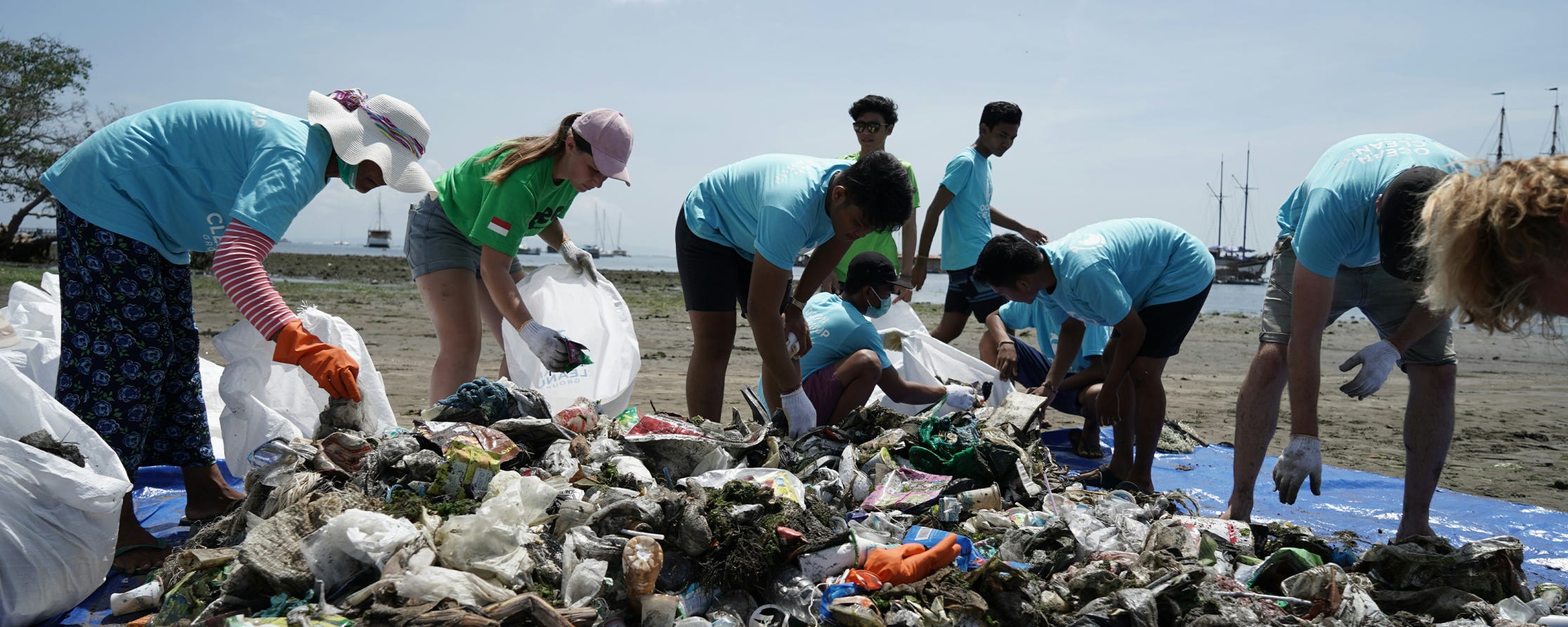
Waste and pollution cleanup: Global efforts to tackle waste are gaining momentum. Last year, The Ocean Cleanup removed 25 million kilograms of trash from oceans and rivers—the result of coordinated volunteer events spanning coastlines around the world. At the same time, policy and advocacy efforts are targeting pollution at the source, like stopping plastic pellet spills before they reach waterways. Together, cleanup plus advocating for policies to reduce plastic use in the first place can make a big difference.
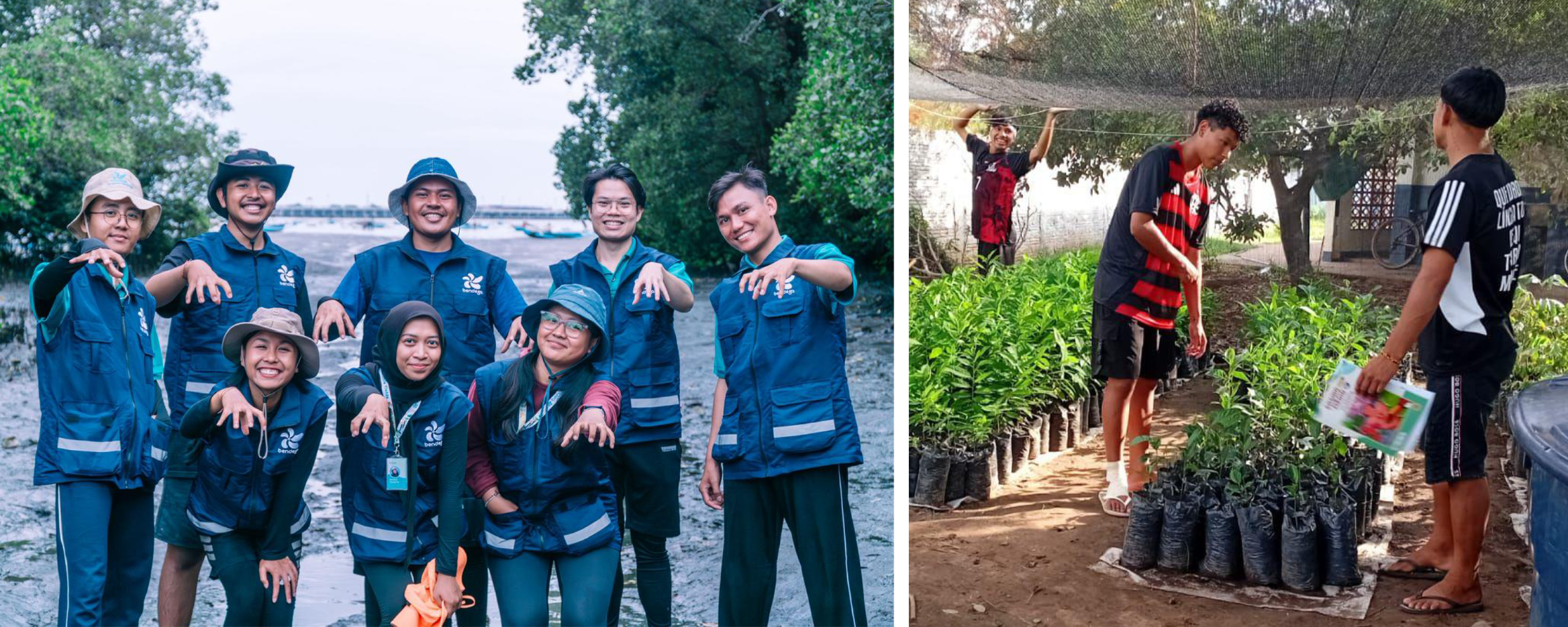
Youth-powered action: Across the globe, community-led restoration efforts are scaling up, in many places with young people blazing the trail. Youth-led groups are organizing tree-planting and restoration campaigns across Asia, Africa, and beyond, working directly with local communities to rebuild ecosystems. These five young “ecosystem champions” are leading grassroots projects across drylands, mountains, oceans, forests, and wetlands—working with local communities from Brazil to Indonesia to restore ecosystems and strengthen livelihoods.
The UN Environment Program’s Young Champions of the Earth supports young people turning local environmental ideas into scalable solutions (I’m one of their “old” champions!). Since 2017, the program has recognized innovators from around the world tackling everything from waste to water access.

The Earth is our perfect home. From the air to breathe to the soil we need to grow our food, it gives us everything we need to survive and thrive. But each year, there comes a point when we’ve used more of the Earth than it can regenerate. That day is known as Earth Overshoot Day.
Last year, that date fell on July 24—meaning we used up a full year’s worth of resources in less than seven months. Not only that, but this date is trending in the wrong direction as we continue to add pressure to the planet year after year. Earth Overshoot Day used to be August 9 in 2020, and in 1990 it was all the way back on October 16.
This must be because Earth is home to too many people, you might think, right? Actually, no: that’s not the main reason. We have plenty of resources to go around—but only if we live sustainably. And we do not.
We waste almost one-third of the food produced for human consumption worldwide: that’s enough to give 2 billion people who currently lack food one square, nutritious meal a day. We destroy and fail to restore ecosystems that filter our air and water. We live in inefficient cities and deplete and waste nonrenewable resources despite having renewable options. For example, did you know that nearly a third of the polluting energy we get from coal, gas and oil is just used to extract, process and transport coal, gas, and oil?
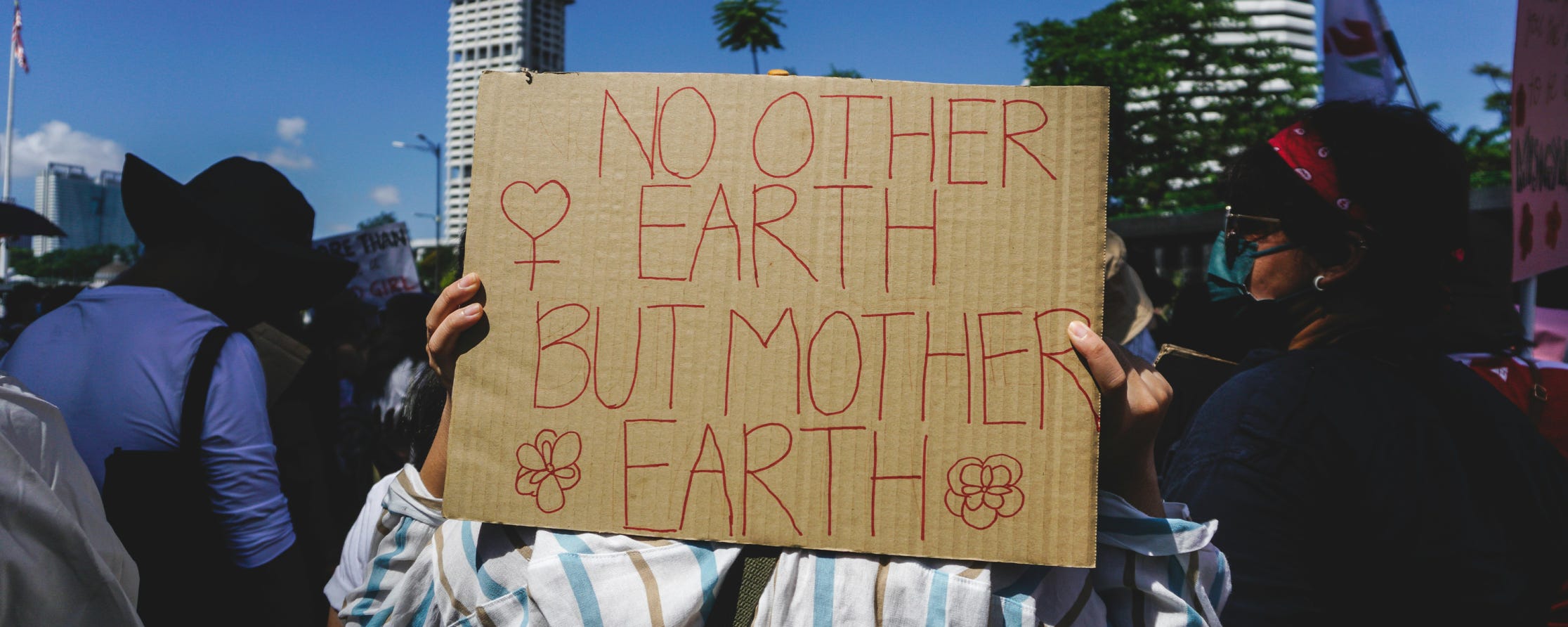
Right now, we are using resources as if we live on a flat, infinite Earth. Yes, you read that right – our entire economic model is designed for a flat Earth. The reality, though, is that we live on a round planet. And as we learned last week, there truly is no Planet B. It is time to stop taking for granted the amazing gifts our home provides and treat it with the care it needs to continue to support our lives and those of all other living things that share our home.
If everyone on the planet lived like the average North American, we would need multiple Earths to sustain us. Want to know how many Earths we would need if everyone lived like you? Take the ecological footprint quiz here.
But it doesn’t have to be this way. The good news is that many of the solutions already exist, and I share at least one example a week in this newsletter! Plus, the Earth Overshoot Day website provides an easy-to-read breakdown of five key areas that would make it possible to #movethedate.

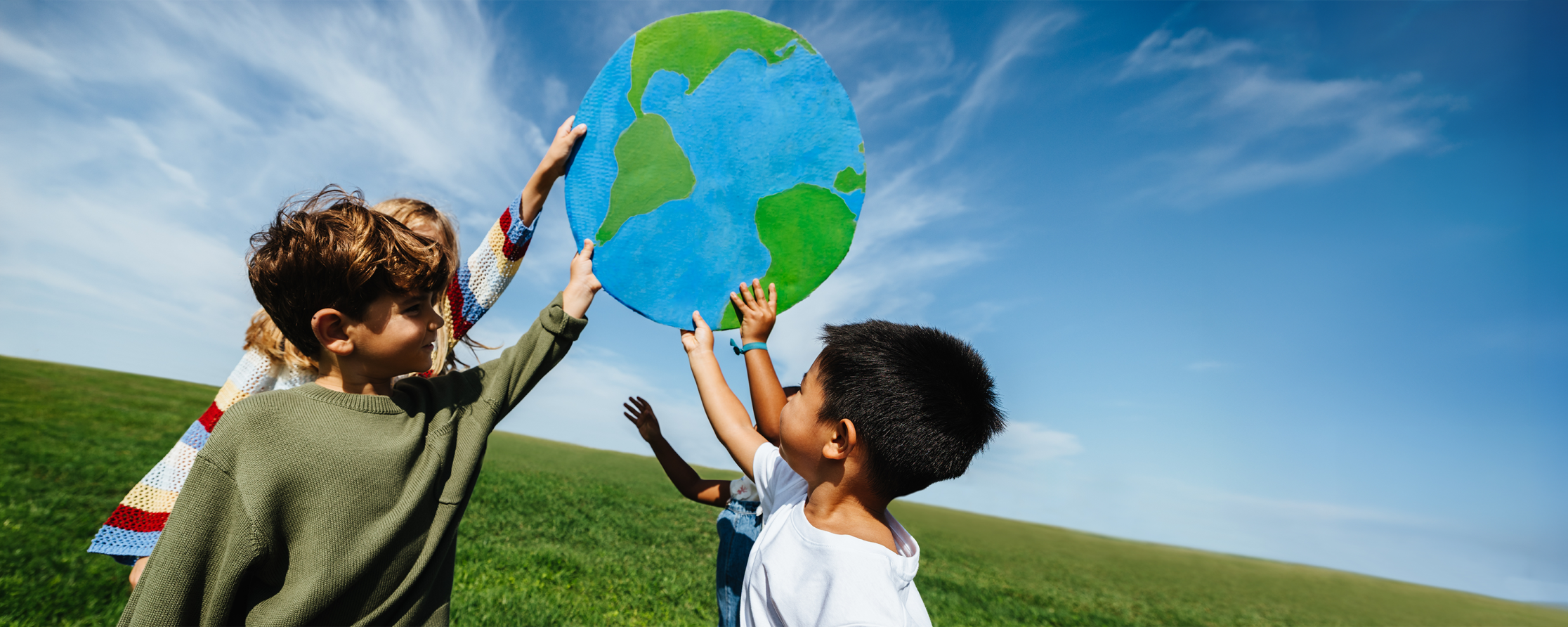
Did you notice anything different about today’s good news and not-so-good news? I didn’t mention climate change once—even though it’s woven through every story.
This week’s What You Can Do might sound a little unusual coming from me, but having read the above, I think you’ll understand: if people in your life are resistant to talking about “climate change”—maybe because it’s too depressing, or stressful; too political, or too contentious—then just call it something else!
Talk about solutions that make our air cleaner, our water safer, and our communities healthier. That’s good news – and who doesn’t care about that? We see people’s interest in solutions each year on April 22nd when almost 1 billion people worldwide participate in an Earth Day event, such as picking up litter in their neighborhoods, teaching their children about nature, or planting trees in the park.
Of course, understanding the science matters. But if we all agree on solutions that will fix this crisis, then accepting that climate change is real and human-caused and we need to do something about it becomes a secondary no-brainer. Just check out the story about John’s dad I share here!
So, if leaving out a phrase that puts people on the defensive opens the door to a better conversation, this Earth Day is a perfect time to start.

IF YOU’RE IN NORTH CAROLINA, THERE’S 2 MORE CHANCES TO SEE ME IN PERSON TONIGHT AND TOMORROW
Wed April 22 at 7pm ET - Earth Week Keynote with Elon University - in person at McKinnon Hall, Moseley Center; open to EU students, faculty, and staff
Thurs April 23 at 5pm ET – Climate Solutions at Duke University – in person at Goodson Chapel, Duke Divinity School
ONCE IN TEXAS
Tues April 28 at 2pm CT - Connecting Global Change to Local Impacts with Angelo State University; in-person in San Angelo, TX
AND SEVERAL IN THE UK/IRELAND
Tues May 5 at 10am IST - ICARUS seminar at Maynooth University (location TBD)
Wed May 6 at 2.30pm IST - McCosh Lecture on Finding Hope in the Climate Crisis - in person at Queen’s University Belfast
Fri May 8 - seminar at UCL in London (time and location TBD)
Your call to action really resonates! I’ve been reframing “sustainability” as “resourcefulness” when discussing it in groups and found that it helps people who are normally disinterested digest the concept.
Likely mostly due to Earth’s enormous size, there is a general obliviousness, if not a willful carelessness, towards the vast natural environment. Societally, we still discharge pollutants like it’s all absorbed into the environment without repercussion.
Too many people continue throwing non-biodegradable garbage down a dark chute or flush pollutants down toilet/sink drainage pipes as though they’re inconsequentially dispensing that waste into a black-hole singularity where it’s safely compressed into nothing. And then there are the corporate-scale toxic-contaminant spills in rarely visited wilderness. Out of sight, out of mind.
Also, here in the Far West, if the universal availability of a renewable energy alternative would come at the expense of the traditional ‘energy’ production companies’ large profits, one can expect obstacles, including the political and regulatory sort. If something notably conflicts with corporate big-profit interests, even very progressive motions are greatly resisted, often enough successfully.
There’s a continuance of polluting with a cavalier business-as-usual attitude.
This was especially reflected in the astonishingly entitled and short-sighted selfishness I observed some years ago when a TV news reporter randomly asked a young Vancouverite wearing large sunglasses what he thought of government restrictions on disposable plastic straws. Grinning, he retorted that it is like he’s “living in a nanny state that’s always telling me what I can and cannot do”.
His carelessly entitled mentality revealed why so much gratuitous land-and-sea life-destroying plastic waste eventually finds its way into the natural environment, where there are few, if any, caring souls to immediately see it. Sadly, he’s far from being alone.
Also, obstacles to environmental progress were formidable pre-pandemic; however, Covid-19 not only stalled most projects being undertaken, it added greatly to the already busy landfills and burning centers with disposed masks and other non-degradable biohazard-protective single-use materials.
Clearly, every day of the year needs to be treated as an ‘Earth Day’.